
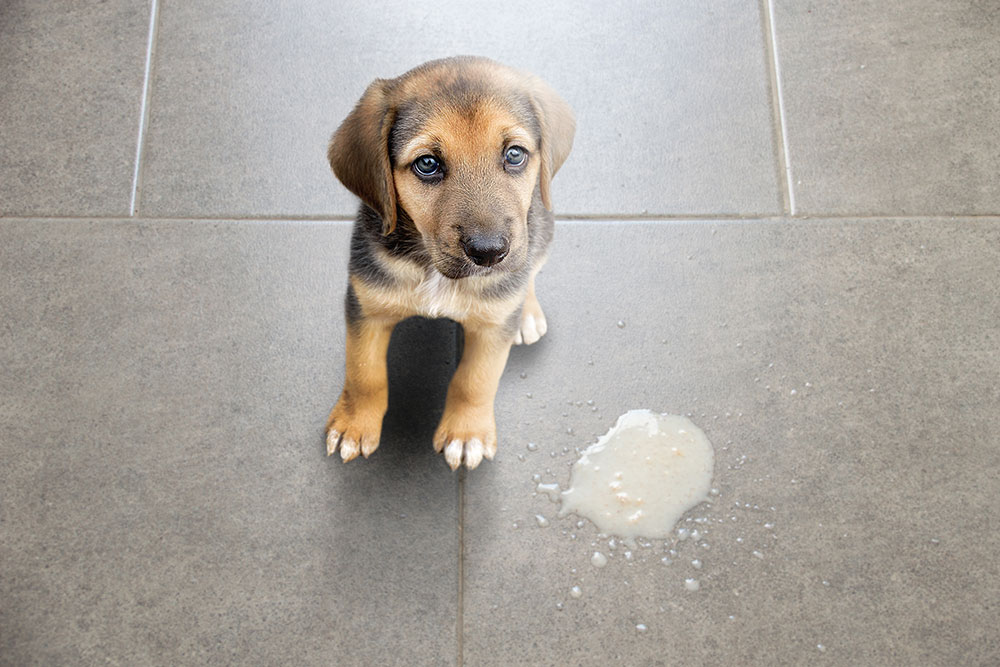
Why Dogs Vomit and How to Know When It’s Serious
Has your dog ever suddenly thrown up and you immediately wondered, “Is this a one-time thing because they ate grass, or is it something I need to worry about?” Every dog owner has been there. Our dogs are known for tasting things they shouldn’t, but sometimes, vomiting is much more than just a passing bad choice. It could be a sign of deeper issues, like a gastrointestinal illness or even a systemic disease. Knowing when to simply monitor your dog and when to rush to the vet is crucial for protecting their well-being.
At Skyway Animal Hospital, we understand that sudden vomiting can be alarming. Our experienced veterinarians use advanced diagnostic tools and individualized care plans to identify the cause- whether it’s a simple upset stomach or something requiring immediate attention. If you’re ever unsure, our team is here to guide you with compassion and expertise.
When Occasional Vomiting Becomes a Concern
Most pet owners have discovered a surprise puddle on the floor or woken to the sound of their dog retching. Occasional vomiting may result from eating too quickly, mild indigestion, or grass consumption. However, repeated or severe vomiting signals something more serious.
Vomiting isn’t a disease itself- it’s a symptom triggered by something else. Causes range from dietary issues to infections and organ dysfunctions. Veterinarians often categorize vomiting as acute (sudden and short-term) or chronic (recurring over time). Dogs that vomit more than once in a 24-hour period, or whose vomit contains blood, bile, or foreign material, need to be seen by a veterinarian immediately. Frequent vomiting can quickly cause dehydration, which is especially dangerous for small breeds, seniors, and puppies.
At Skyway Animal Hospital, we recommend contacting us if your dog vomits multiple times in one day, vomits blood, or shows additional symptoms like lethargy, refusal to eat, or abdominal pain. Regular wellness exams help detect underlying conditions early- before vomiting becomes a chronic or dangerous issue.
Digestive System Causes of Vomiting
Gastrointestinal Blockages and Foreign Objects
Dogs explore the world through their mouths, which sometimes leads to trouble. Ingestion of toys, bones, socks, or other materials can result in a gastrointestinal foreign body obstruction. These blockages cause vomiting, pain, and loss of appetite, and can quickly become life-threatening.
Gastrointestinal foreign bodies often require surgery to remove. Our surgical team performs these procedures with advanced monitoring to ensure your pet’s comfort and safety. If your dog vomits repeatedly or strains without producing stool, contact our emergency care team immediately.
Because some obstructions can mimic mild stomach upset at first, it’s always best to err on the side of caution. Imaging tests such as X-rays or ultrasound can quickly confirm whether surgery or medical management is needed.
Dietary Changes, Spoiled Food, and Toxins
Sudden diet switches, eating fatty foods, toxins, or eating spoiled food can irritate your dog’s stomach and lead to vomiting. High fat foods can cause pancreatitis, which results in intense abdominal pain, vomiting, and loss of appetite. It’s common in dogs that are fed table scraps or who raid the trash.
Household toxins like chocolate, xylitol, certain plants, and medications can also cause severe illness. Even small quantities can trigger vomiting, tremors, or organ damage. If you suspect your dog may have ingested something harmful, contact your veterinarian or reach out to poison control right away.
Our team can provide emergency stabilization and follow-up testing to minimize long-term damage, and we collaborate with local 24-hour emergency centers for after-hours care. Keeping cleaning products and human foods securely out of reach is one of the most effective ways to prevent these emergencies.
Bloat and Stomach Rotation Emergencies (GDV)
Large, deep-chested breeds like Great Danes, German Shepherds, and Boxers are prone to gastric dilatation-volvulus, or GDV. This life-threatening condition causes the stomach to twist, trapping gas and cutting off circulation. Symptoms include restlessness, drooling, a swollen abdomen, and unproductive retching.
GDV is always a medical emergency requiring immediate surgery. Delayed treatment can result in organ failure or death within hours. If your dog shows these signs, contact an emergency hospital or our urgent care team without delay. Our veterinarians can also discuss preventive options like gastropexy surgery for high-risk breeds during wellness visits.
Internal Organ and Metabolic Causes of Vomiting
Not all vomiting originates in the stomach. Diseases that affect internal organs can trigger nausea through toxin buildup or inflammation.
- Kidney disease: Dogs with chronic kidney disease often experience nausea due to waste accumulation in the blood. As kidney function declines, toxins called uremic waste products build up and directly irritate the gastrointestinal tract, causing persistent vomiting, decreased appetite, and lethargy that worsens over time.
- Liver disease: Liver disease can cause persistent vomiting along with yellowing of the gums and eyes (jaundice), weight loss, and lethargy, as the liver loses its ability to filter toxins and produce essential proteins for digestion and blood clotting.
- Diabetic ketoacidosis: This life-threatening complication of uncontrolled diabetes causes severe vomiting, lethargy, increased thirst, and rapid breathing when the body can’t properly use glucose for energy and begins breaking down fats, producing dangerous ketones. Dogs in diabetic ketoacidosis often require immediate hospitalization with IV fluids, insulin therapy, and intensive monitoring to prevent organ failure.
- Addisonian crisis: Caused by insufficient adrenal hormone production, Addisonian crisis can present as sudden weakness with severe vomiting and diarrhea, sometimes leading to collapse. Dogs experiencing an Addisonian crisis may have dangerously low blood pressure, abnormal heart rhythms from electrolyte imbalances, and profound dehydration requiring emergency IV fluids and steroid replacement.
- Bile reflux: Bilious vomiting syndrome results from stomach acid buildup between meals or slowed intestines causing bile backup into the stomach, particularly in small or anxious dogs. This syndrome typically causes dogs to vomit yellow or greenish bile in the early morning or after prolonged periods without food, and can often be managed by feeding smaller, more frequent meals throughout the day.
- Motility disorders: Dogs with megaesophagus have difficulty moving food down to the stomach, leading to regurgitation and secondary vomiting. Because the esophagus doesn’t contract properly to push food downward, affected dogs are at high risk for aspiration pneumonia when regurgitated food enters the airways, making upright feeding positions and careful management essential.
Our veterinarians use advanced imaging and laboratory panels to assess organ function and identify metabolic imbalances early. This approach allows us to create individualized treatment plans that improve comfort and longevity. In chronic cases, nutrition counseling and medication management can help stabilize digestion and reduce recurrence.
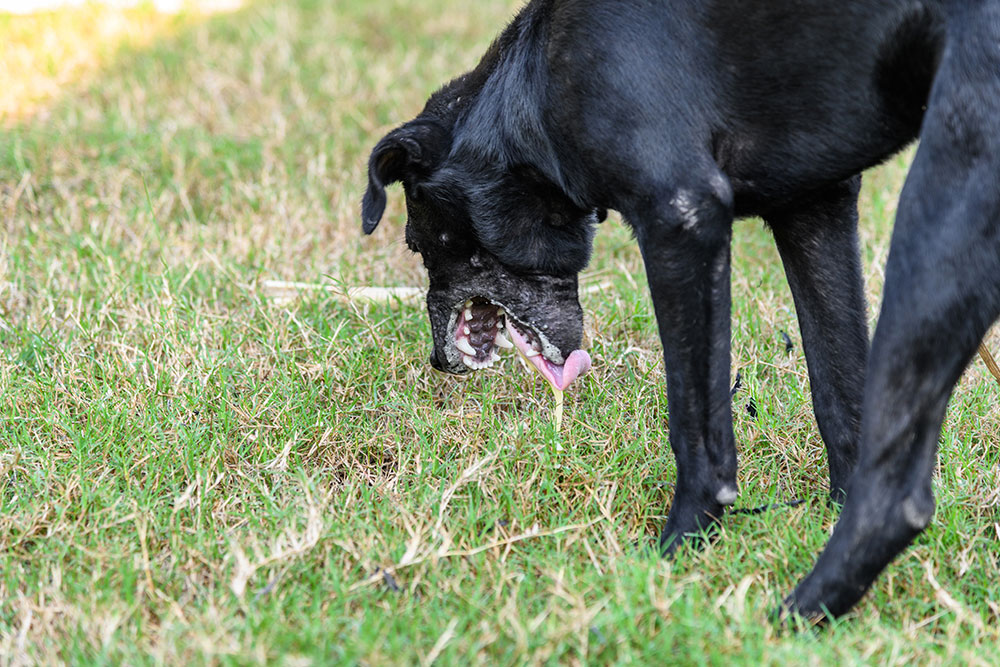
Infectious Diseases That Cause Vomiting
Viral or bacterial infections can inflame the digestive tract and cause severe vomiting. One of the most dangerous examples is canine parvovirus, which leads to vomiting, diarrhea, and dehydration- especially in puppies. Parvovirus attacks rapidly dividing cells in the intestinal lining, causing severe bloody diarrhea, profound vomiting, and life-threatening dehydration that requires immediate hospitalization and intensive supportive care. Unvaccinated puppies and young dogs are at highest risk, and without prompt treatment, the virus can be fatal within 48 to 72 hours.
Leptospirosis is a bacterial disease spread through contaminated water or wildlife urine that causes vomiting along with kidney and liver damage, and can even be transmitted to humans, making vaccination especially important for dogs who spend time outdoors.
Intestinal parasites like roundworms, hookworms, and giardia are common causes of vomiting and diarrhea, particularly in puppies and dogs with weakened immune systems, and many of these parasites can also pose health risks to people in the household.
Routine fecal exams and vaccinations play a vital role in prevention. During preventive care visits, our veterinarians will review your dog’s vaccine history and ensure they’re protected from high-risk infections that cause gastrointestinal distress.
What to Do When Your Dog Vomits
If your dog vomits once but otherwise seems bright and alert, you can monitor them at home for a short period. Temporarily withhold food for a few hours (but always provide water) to let the stomach settle. Gradually reintroduce small portions of bland food such as boiled chicken and rice.
If your dog is not eating, vomits repeatedly, or becomes lethargic, it’s time to contact your veterinarian. Persistent vomiting or blood in vomit warrants immediate evaluation. You can contact us or request an appointment online for a same-day assessment.
Protecting Your Dog’s Digestive Health
Vomiting is common in dogs, but it’s never something to ignore. Early evaluation prevents dehydration, complications, and pain- and helps your dog feel better faster. Consistent wellness care, safe feeding habits, and awareness of household hazards all go a long way toward keeping your dog’s digestive system healthy.
At Skyway Animal Hospital, we treat every dog like family- because to you, they are. If your dog is vomiting, acting off, or refusing food, our experienced team is here to help. Call 727-327-5141, request an appointment, or visit us for prompt, compassionate care that helps your pet recover and thrive.




Leave A Comment