
When Lymph Nodes Get Big: What That Lump Might Be Telling You
There's nothing quite like settling down for a relaxing evening, petting your dog or cat, and suddenly feeling a lump where there shouldn't be one. That discovery can flip your stomach, especially if the lump feels firm or larger than usual. That bump might be an enlarged lymph node, which means your pet's immune system is busy responding to something. Sometimes the "something" is simple, like a skin infection, and sometimes it needs deeper attention. Knowing what lymph nodes do and why they swell helps you choose the next right step for your pet.
Addressing a swollen lymph node sooner rather than later is wise, because early evaluation gives clear answers and directs timely care. At Skyway Animal Hospital in St. Petersburg, our focus is individualized care and the bigger picture of your pet's health, supported by comprehensive diagnostic services that help us move from worry to a plan. Our team listens first, explains everything in plain language, and partners with you through each decision. If you've noticed a new lump or have questions, you can request an appointment and we will guide next steps with calm, supportive care.
Why Are My Pet's Lymph Nodes Enlarged?
Lymph nodes typically swell when the immune system is actively responding to a problem, which may be infection, inflammation, or, less commonly, cancer, so scheduling a prompt exam is the best way to determine the true cause.
Enlarged lymph nodes are a sign rather than a diagnosis, and many causes are treatable -- especially when addressed early. Your veterinarian will consider the pattern of swelling, your pet's overall symptoms, and simple in-clinic tests to quickly narrow the cause and guide the best plan.
What Lymph Nodes Do and Which Ones You Might Feel
Lymph nodes are small, bean-shaped filters that screen lymph fluid and train immune cells to fight infections and other threats. They sit in clusters throughout the body like neighborhood watch posts. When those posts see something suspicious, they recruit more immune cells and can become larger and easier to feel.
Common spots you might notice at home include the mandibular nodes under the jaw, the prescapular nodes in front of the shoulders, the axillary nodes in the armpits, the inguinal nodes in the groin, and the popliteal nodes behind the knees.
For dogs, it helps to know where lymph nodes are located and how to check them gently during calm moments. Cat families may find it useful to read about the pattern and role of cat lymph nodes to understand when a bump deserves a visit -- while they are in the same locations as dogs, they are smaller and harder to feel.
Lymph nodes enlarge for two main reasons: a local issue nearby, like a skin wound or dental problem, or a whole-body trigger, such as a systemic infection or immune condition. Routine hands-on exams help catch changes early, which is why we include lymph node checks during wellness and preventive care.
Common Causes of Enlarged Lymph Nodes in Dogs and Cats
Enlarged lymph nodes, called lymphadenopathy, point to something the immune system is responding to. The main categories include infections and inflammation, cancer, and less common immune or lymphatic issues. The treatment plan depends entirely on which cause we find.
Infections and Inflammation: Often Treatable and Time-Sensitive
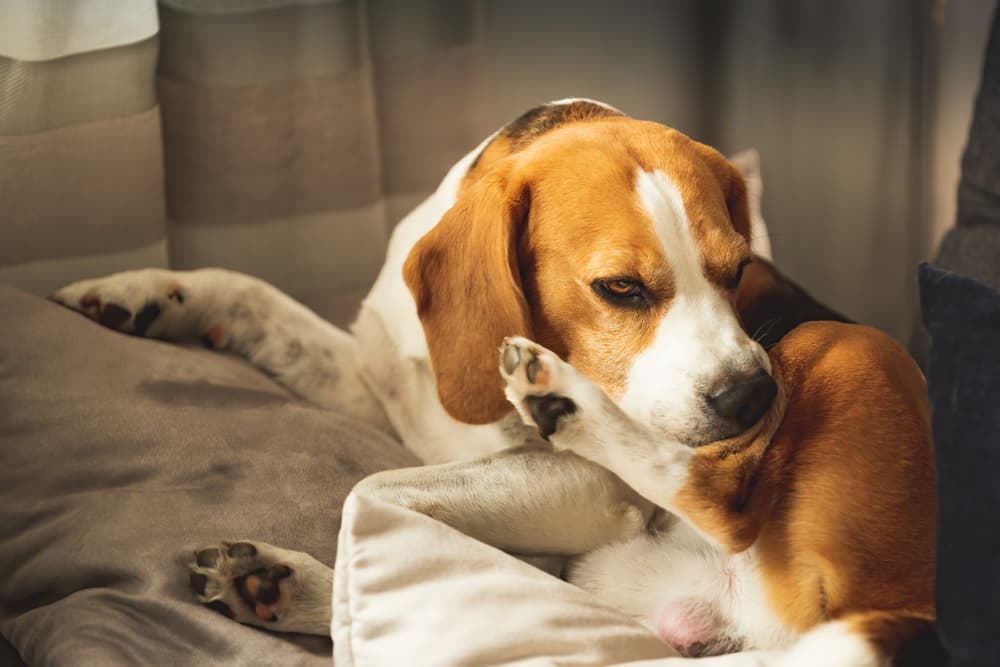
Fever, a recent wound, dental disease, or itchy skin may be clues that infection or inflammation is the driver. Local infections tend to cause swelling in nearby nodes, while whole-body infections can enlarge several.
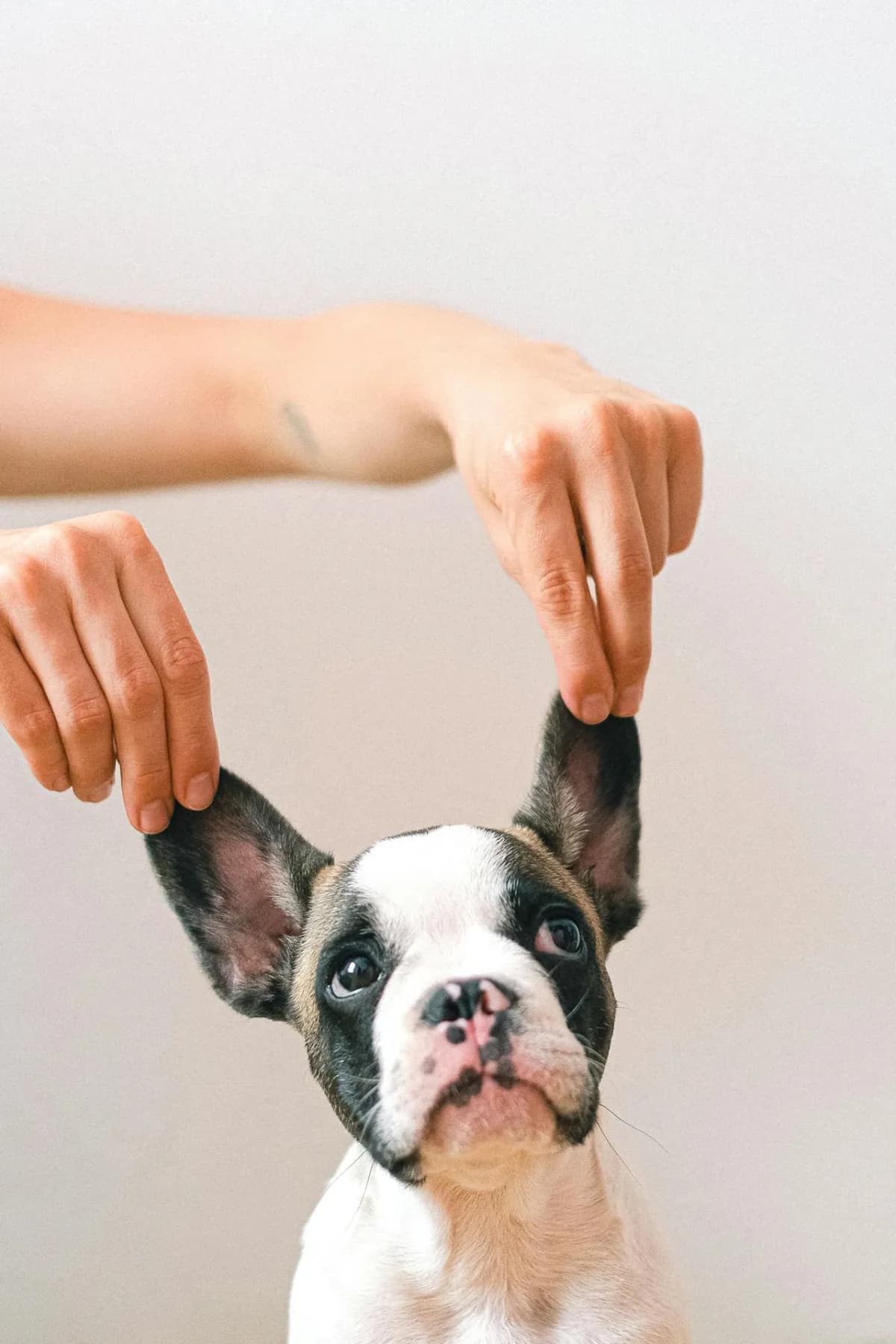
Examples we see often include dental or oral infections linked to tartar buildup or fractured teeth; skin infections from hot spots, allergies, or wounds; ear infections that irritate nearby nodes under the jaw or in front of the shoulders; tick-borne diseases like Lyme disease; waterborne or wildlife-associated infections such as leptospirosis; and regional fungal disease that can affect lungs, skin, or multiple organs.
In St. Petersburg's warm climate, year-round mosquitoes and ticks matter, so we emphasize parasite prevention and prompt care for wounds or skin flare-ups. Many infection-related causes respond well to targeted treatment once confirmed.
Could It Be Cancer? Understanding Lymphoma and Other Cancers
While infections are common causes, cancer is part of the differential. Lymphoma is the most frequent cancer of the lymphatic system in both dogs and cats. It starts in lymphocytes, a type of white blood cell, and can present as firm, usually painless enlargement of several nodes at once.
What to know:
- There are many types of cancer in pets; lymphoma is among the most treatable with timely therapy.
- Dogs often develop canine lymphoma, which can be multicentric, affecting several node groups symmetrically.
- Cats can develop feline lymphoma in lymph nodes or other organs like the intestines or chest.
Other cancers can spread to lymph nodes, too. Breed tendencies, age, and overall health influence risk, which is why a complete exam and appropriate testing are key to clarity and planning.
Other, Less Common Reasons Lymph Nodes Enlarge
Immune and lymphatic conditions can also cause swelling. These are less frequent but important to recognize.
Possibilities include immune-mediated or autoimmune conditions that make lymph nodes reactive; vaccine reactions or medication hypersensitivity that briefly enlarge nodes; lymphatic flow issues such as lymphedema, where fluid drainage is impaired; and congenital differences or structural blockage of lymphatic vessels.
Sorting between these causes requires thoughtful testing. Our diagnostic services guide the investigation step by step so treatment targets the true problem.
How Vets Diagnose Enlarged Lymph Nodes
Clear answers start with the right questions and a hands-on exam, followed by tests that fit your pet's needs. We tailor the plan to your pet's symptoms, the number and location of swollen nodes, and any risk factors.
The Physical Exam: Small Details That Matter
We gently palpate lymph nodes to evaluate size, shape, texture, and whether they are tender or fixed to surrounding tissue. The pattern of enlargement tells us a lot about next steps.
During the exam, we note whether one node or several are involved and which areas are affected. We look closely for mouth disease, skin lesions, ear infections, or wounds that could be driving local inflammation. Whole-body clues such as fever, weight changes, or lethargy help us decide how urgently to test, and assessing whether nodes are mobile and smooth or firm and attached informs whether we prioritize cytology, imaging, or localized care first.
These details help us decide whether to start with targeted treatment, recommended tests, or a combination of both.
Cytology and Biopsy: Getting to a Definitive Answer
Fine-needle aspiration, often called FNA, is a quick way to collect a few cells from a lymph node using a tiny needle. Cytology examines those cells under a microscope and can often identify infection or cancer. When the picture is unclear or we need more architecture, a biopsy supplies a larger tissue sample for a more complete diagnosis.
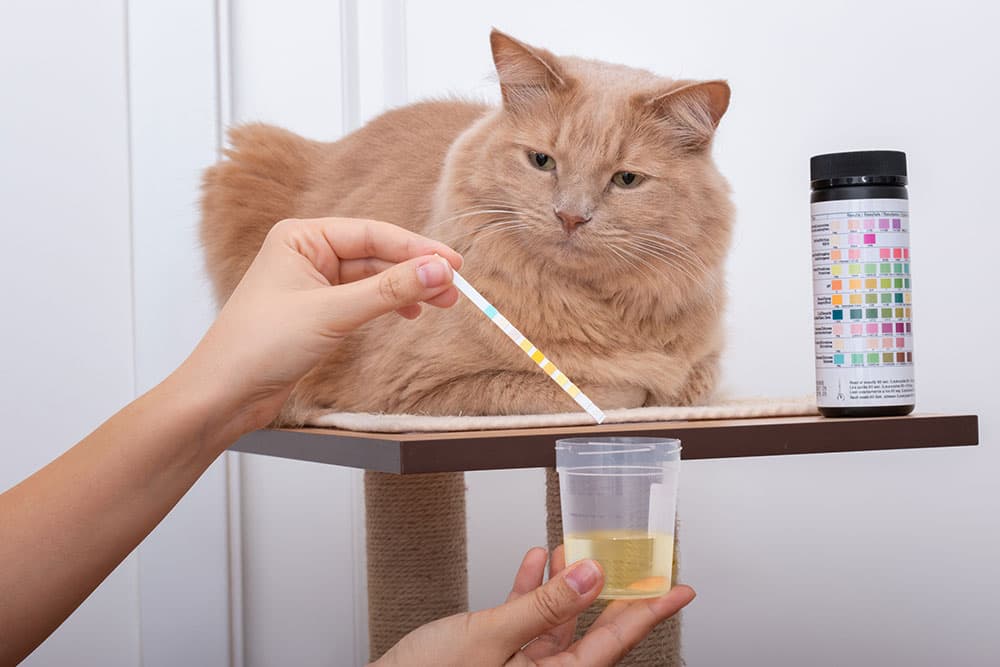
Think of cytology as a snapshot of individual cells and biopsy as the full scene, including how those cells are arranged. Some lymphoma types also benefit from tests that classify cells into subtypes, such as flow cytometry, immunophenotyping, or PARR. Staging tests might include bloodwork, urinalysis, radiographs, ultrasound, or, in select cases, bone marrow evaluation. Our in-house laboratory and imaging options through our comprehensive diagnostic services allow us to move efficiently from question to plan, and we coordinate with specialty partners if advanced oncology input is needed.
Treatment Options and What to Expect
The treatment plan depends entirely on the cause. We design care around your pet's comfort, your goals, and the likely benefits of each option.
For infections or inflammation:
- Targeted antimicrobials guided by test results
- Wound or skin care, including gentle cleansing and medications for itch or inflammation
- Dental procedures when oral disease is involved, followed by home care coaching
- Parasite control and tick prevention to reduce future risk
When cancer is the concern -- especially lymphoma -- your veterinarian may recommend multi-agent chemotherapy to induce remission and improve quality of life. In some cases, single-agent protocols or steroid therapy are considered when a simpler approach better aligns with family goals. Close monitoring tracks response and side effects so adjustments can be made proactively, and when remission isn't the right path, palliative care focuses on comfort and more good days together.
When a mass requires removal for diagnosis or comfort, our experienced surgeons review options with you and keep you informed throughout the process. If dental disease is at the root, we address it with comprehensive dental care and follow-up coaching on brushing and at-home habits. Medications and diets are dispensed through our in-house pharmacy, and our team discusses payment options so you can choose the path that fits your family. If an emergency arises during business hours, our team triages and supports urgent needs.
Monitoring and Follow-Up: Staying Ahead Together
Regular rechecks are essential, whether we are treating an infection or managing a chronic condition. These visits help us confirm improvement, catch changes early, and fine-tune medications or supportive care.
Your follow-up plan may include scheduled exams to reassess lymph nodes and overall comfort, periodic bloodwork during medications or chemotherapy, at-home checks where we teach you how to palpate the key nodes safely, and ongoing conversations about appetite, activity, side effects, and quality of life.
For long-term wellness, we fold lymph node checks into wellness and preventive care so that small changes are recognized promptly. You never have to watch and wait alone -- our team is here to support you with clear answers and compassionate guidance.
Quick Guide: What To Do If You Feel a New Lump
Take a calm look and note:
- Where it is, how big it feels, and whether there are others
- Any new symptoms such as fever, low energy, reduced appetite, bad breath, or skin irritation
Call for an appointment if:
- A lump appears suddenly, grows, or is paired with other signs of illness
- You notice multiple lumps at once
- Your pet seems uncomfortable, is losing weight, or feels warm
While you wait for your visit:
- Avoid squeezing or pressing hard on the lump
- Keep the area clean if there's a wound nearby
- Continue normal routines unless your pet seems uncomfortable
You're Not Alone: A Clear Path Forward in St. Petersburg
Finding a lump can spark worry, but a timely exam and a thoughtful plan replace fear with clarity. Many causes of big lymph nodes are treatable, and even serious diagnoses like lymphoma can be managed with supportive, individualized care focused on your pet's comfort and happiness. Our locally owned team in St. Pete is ready to listen, examine gently, and help you make confident choices.
If you've found a lump or have concerns, you can request an appointment for an evaluation, or contact us with questions. We are here to be your partner in care, from first worry to long-term wellness, so your pet enjoys more good days by your side.
Trusted Resources
At Skyway Animal Hospital, we provide comprehensive wellness care and diagnostic services for pets in St. Petersburg. Request an appointment or call us at (727) 327-5141.