
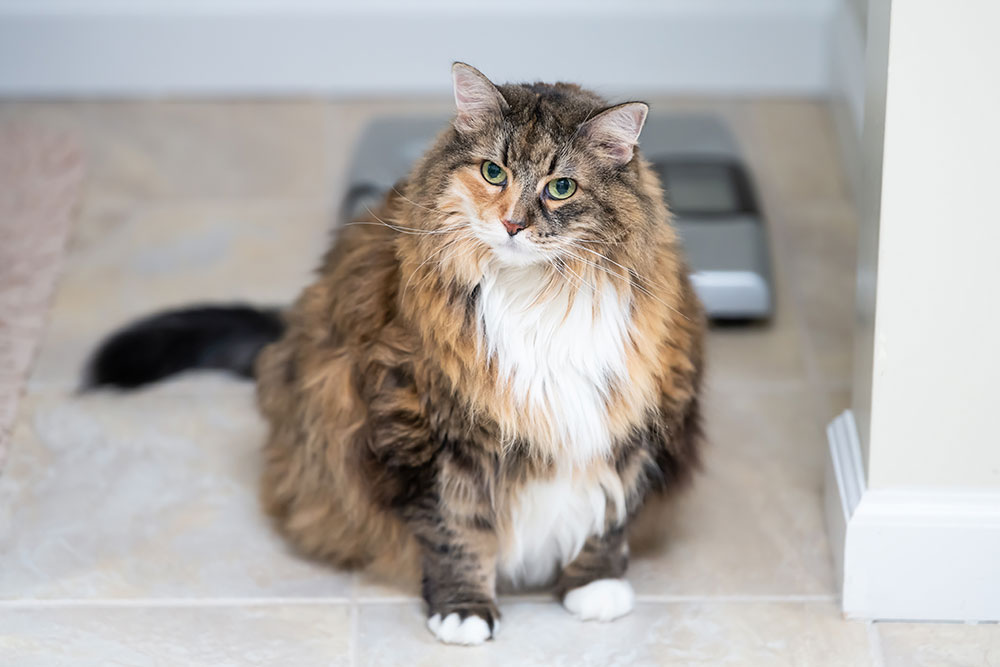
Weight Management Starts Here: Why Body Condition Scoring Is Essential
When it comes to helping your pet reach a healthy weight, good intentions alone won’t get you there. Real results come from feeding the right number of calories for your pet’s ideal weight (not their current weight), measuring every meal and treat, and making small, steady changes over time. Exercise definitely helps, but portion control is what drives most weight loss.
If that sounds like a lot to figure out on your own, don’t worry. That’s exactly what we’re here for.
At Skyway Animal Hospital, we use body condition scoring (BCS) to look beyond the number on the scale and assess how fat and muscle are actually distributed. This approach helps us catch concerns early and guide families toward habits that support mobility, comfort, and long-term wellness.
Our wellness and preventative care services make it easy to keep track of changes over time, and weight management is built into every wellness visit. Whether weight changes call for nutritional adjustments, updated activity plans, or a closer medical look, our in-house diagnostics allow us to evaluate underlying causes quickly and comfortably. If you’d like guidance on your pet’s body condition or want help creating a plan that fits your routine, you’re always welcome to request an appointment. We’re here to support you and your pet every step of the way.
Why the Number on the Scale Isn’t Enough
Weight alone doesn’t tell us if a pet is truly healthy. Two pets can weigh exactly the same but have very different health profiles depending on their body composition. A muscular Pitty and a lean Greyhound might hit the same number on the scale, but their bodies are put together quite differently.
That’s where Body Condition Scoring comes in. BCS is a method that looks at fat and muscle together, giving us a much clearer picture than weight alone. Muscle health matters just as much as fat levels because muscle is denser than fat. A lean, strong pet can actually weigh more than a softer, heavier-looking pet of the same size.
Here’s what we consider:
- Extra weight raises the risk of joint pain, metabolic disease, and heart strain
- Being underweight can signal illness or poor nutrition
- Breed and build matter; what looks healthy for one breed may not be ideal for another
- Breed standards or show looks don’t always match what’s healthiest for joints and longevity
We focus on how your pet moves, feels, and handles daily activities rather than obsessing over the number. During our preventative care visits, we assess body condition so you can act early if something’s changing.
How Does Body Condition Scoring Work?
Body condition scoring is a hands-on assessment that anyone can learn. The key is feeling through your pet’s fur to the chest and checking each rib with light pressure (no digging required).
Here’s what to look and feel for:
- From above: Your pet should have a clear waist that narrows behind the ribs
- From the side: The belly should tuck up, not hang level with or below the chest
- Feel for fat pads: Check the tail base, along the spine, and on the face for early deposits
The Body Condition Scale breaks down like this:
- Scores 1-3 (Underweight): Ribs, spine, and hips are easy to see with no fat covering; obvious tuck
- Scores 4-5 (Ideal): Ribs are easy to feel with light pressure; noticeable waist and gentle abdominal tuck
- Scores 6-7 (Overweight): Ribs are harder to feel; waist is faint or missing; fat pads appear
- Scores 8-9 (Obese): Ribs cannot be felt; no waist; round belly; obvious fat deposits
We recommend doing this monthly at home, especially if your pet has a fluffy coat that hides changes. If you’re ever unsure where your pet falls on the scale, we’re happy to do a hands-on demonstration during your next visit. Contact us and we’ll walk you through it.
What Does Being Overweight Really Cost?
We know you want the best for your pet, and sometimes love shows up as extra treats or a little more food in the bowl. No judgment here! But it’s worth understanding what those extra calories can add up to.
Overweight pets eat more than they need, which means food and treats get purchased more often than necessary. That can add up to hundreds of extra dollars a year just at the food bowl.
The bigger expense, though, comes from treating obesity-related conditions. Diabetes requires ongoing insulin and monitoring. Arthritis means long-term pain medications. Back problems can lead to emergency surgeries costing thousands. A single preventable condition often costs more per year than a decade of care for a healthy-weight pet.
Here’s the good news: keeping your pet at a healthy weight saves money at the food bowl and at the vet clinic, and gives you more quality time together. We’re here to help you find that balance without guilt or judgment.
What Health Risks Come with Extra Weight?
Extra pounds strain almost every system in your pet’s body. Research on obesity and lifespan shows that overweight pets can live two years less than their lean counterparts.
Overweight pets face higher risks for:
- Diabetes mellitus
- Painful joints and back issues like arthritis and intervertebral disc disease
- Urinary stones
- High blood pressure and heart disease
- Heat stroke, especially here in Florida’s warm climate
- Higher anesthesia risk for surgery or dental work
- Labored breathing, especially in flat-faced breeds with existing airway issues
- Shorter lifespan
What About Underweight Pets?
Underweight pets face their own serious challenges that we take just as seriously:
- Weak immunity making them more vulnerable to infections
- Trouble staying warm, even in Florida’s mild winters
- Muscle loss affecting mobility and strength, making everyday activities harder
- Slower healing from illness or injury because their bodies lack the reserves needed for recovery
If you’re concerned about your pet being at either end of the spectrum, we encourage you to schedule an appointment to build a prevention or treatment plan.
How Much Should I Actually Feed My Pet?
This is one of the most common questions we get, and the answer isn’t always on the bag. Food portions should be based on your pet’s ideal weight, not their current weight. Using a calorie calculator helps, and measuring meals with an actual measuring cup or kitchen scale prevents the “eyeball it” creep that leads to overfeeding.
Don’t forget to count every calorie, including treats, dental chews, and table scraps. Following portion guidelines consistently is one of the most effective things you can do.
A critical warning for cat owners: When reducing food intake, avoid rapid calorie cuts. Fast weight loss in chubby cats can trigger hepatic lipidosis, a serious and potentially deadly liver disease. Slow and steady is especially important for feline weight loss.
What’s the Difference Between Prescription and Store-Bought Weight Diets?
Not all weight diets are created equal, and this is an area where the difference really matters.
Prescription weight-loss diets undergo feeding trials to prove they deliver safe, consistent fat loss while preserving lean muscle mass. They’re formulated with specific protein-to-calorie ratios, added L-carnitine for fat metabolism, and controlled fiber in weight loss diets that help pets feel satisfied on fewer calories.
Over-the-counter “healthy weight” or “light” diets often just reduce fat content without rigorous testing for actual weight loss. Many don’t provide enough protein to protect muscle during calorie restriction, and some pets stay hungry or lose muscle along with fat.
When choosing pet food for weight loss, especially for pets needing to lose significant weight or those with other health issues, prescription diets offer predictable results and veterinary oversight. We can help you choose the right option based on your pet’s body condition, health status, and weight loss goals, and our pharmacy stocks prescription diets for convenient pickup.
What Are the Best Ways to Help My Pet Lose Weight Safely?
Weight loss is a marathon, not a sprint. Plan for slow calorie decreases paired with steady exercise increases.
Exercise guidance:
- For dogs: Start with short, frequent walks and build time slowly. Swimming or controlled fetch provides low-impact exercise that’s easier on joints.
- For cats: Use play that mimics hunting, provide vertical spaces to climb, and try puzzle feeders. Multiple short play sessions often work better than one long one for their attention spans.
Feeding routine tips:
- Feed measured meals on a schedule
- Skip all-day grazing so you know exactly what’s being eaten
- Slow down meals with interactive feeders like puzzle toys and snuffle mats
- Scatter kibble around a room or down a hallway to encourage movement
Smarter treat strategies:
- Swap some treats for praise, play, brushing, or training time
- Keep treats small and count them in daily calories
- Try low-calorie alternatives like green beans, carrot slices, blueberries, or small pieces of plain chicken breast
Tracking progress:
- Weigh your pet every 2-4 weeks
- Adjust portions if progress stalls
- Check in with all family members to make sure no one is sneaking extra treats!
For detailed strategies, check out these guides on dog weight loss and cat weight loss. Ready to get started? Request an appointment for a nutritional consultation and exercise plan tailored to your pet.
Could a Medical Condition Be Affecting My Pet’s Weight?
Sometimes weight gain or loss isn’t just about food. Several medical conditions can change appetite, metabolism, and how the body stores or burns energy.
Conditions affecting dogs:
- Hypothyroidism slows metabolism and often leads to weight gain despite normal eating habits
- Cushing’s disease causes increased appetite and a pot-bellied appearance as the body produces too much cortisol
- Diabetes can go either direction, causing weight loss in some pets and gain in others
Conditions affecting cats:
- Feline hyperthyroidism revs up metabolism, causing weight loss even when cats eat ravenously
- Kidney disease is common in older cats and often leads to gradual weight loss, muscle wasting, and decreased appetite
- Unexplained weight changes can also be an early sign of cancer, making prompt evaluation important
Treating the root cause often makes healthy weight change possible again. If your pet has joint pain or low stamina, we can tailor activity recommendations to keep movement safe and gradual.
Our in-house laboratory lets us run complete blood counts, chemistries, and urinalysis quickly during visits to identify these conditions. We also recommend annual early detection blood screening starting at a young age to establish a normal baseline and spot metabolic changes early.
How Do Weight Needs Change Through Life?
Your pet’s needs shift over time. Puppies and kittens grow fast and need calories to support development. Adults need maintenance. Seniors can lose muscle even as fat increases, changing what “ideal” looks like. Illness or recovery can also temporarily shift targets.
Regular wellness visits include BCS checks so trends don’t sneak up on you. We recommend exams every six months for adult dogs and cats to catch weight changes and diseases early. As your pet’s life changes, we’ll update portions, diet choices, and activity targets accordingly. And if you’ve had success, we’re here to help prevent backsliding.

FAQs: Quick Answers About Pet Weight
How fast should my pet lose weight? Aim for slow, steady change. For most pets, think small weekly losses that add up over months. We can set a safe target based on your pet’s starting point and health status.
What if my pet refuses the new diet? Diet transition should happen gradually over 7-10 days, mixing increasing amounts of new food with decreasing amounts of old food. Use puzzle feeders and play to boost interest. And never starve a cat; if they refuse to eat for more than a day or two, call us for suggestions.
Can treats stay in the plan? Absolutely, in moderation. Choose low-calorie options and count them in the daily total. Consider swapping some treats for play or praise instead.
Do I need special food? Often, yes. Prescription diets are designed and tested for safe weight loss while protecting muscle. We can recommend the best fit for your pet’s situation.
Take the First Step Toward a Healthier Pet
Better body condition means easier movement, fewer health risks, and more happy years together. We know it can be hard to say no to those pleading eyes at dinnertime, and we’re not here to make you feel guilty. We’re here to help with simple steps that fit your home and lifestyle.
Keeping an eye on your pet’s ribs and waist might seem simple, but it’s one of the most effective ways to spot a potential issue early. Whether your goal is weight loss, improved stamina, or simply learning what’s normal for your pet, we’re here to help.
At Skyway Animal Hospital, we’re passionate about helping pets live longer, healthier lives through truly individualized care. Contact us to schedule a calm, supportive body condition evaluation and start building a plan that works for your family. Your pet deserves to feel good, and you deserve a veterinary partner who sees the whole picture.





Leave A Comment