
Autoimmune Anemia in Dogs and Cats: Symptoms, Diagnosis, and Treatment
What Happens When Your Pet’s Immune System Attacks Their Own Blood?
You know your dog or cat’s routines and quirks, so when you see them skipping their usual morning zoomies or spending the day napping when they normally patrol the house, a little voice inside you starts to worry. Maybe you’ve noticed they seem weaker than usual, their gums look pale, or you’ve spotted strange, unexplained bruising on their skin. That concern you feel is completely valid, because these can be early signs that your pet’s immune system is turning against their own blood cells, or that a tick-borne infection is damaging blood cells directly or triggering an immune attack.
So what are autoimmune blood disorders, and why do they sometimes appear alongside tick-borne diseases? In both cases, healthy blood cells are being destroyed faster than the body can replace them. The immune system may be misfiring on its own, or an infection may be provoking the attack. Either way, recognizing the warning signs early and getting veterinary help quickly is the most important thing you can do.
At Skyway Animal Hospital, we are passionate about getting to the root of these complex health issues for our St. Petersburg community through comprehensive diagnostic services. We understand that every pet has a unique story, and our caring team uses advanced technology to understand the bigger picture of your pet’s health. If you notice any sudden changes, please don’t wait. Request an appointment right away so we can provide the individualized care your pet needs.
How Does the Immune System Attack Healthy Blood Cells?
The immune system is your pet’s built-in defense. It usually does an excellent job fighting off bacteria, viruses, and abnormal cells. But sometimes it misfires and targets the body’s own healthy blood cells as though they were threats.
When red blood cells are targeted, pets develop anemia, meaning their blood can’t carry enough oxygen to organs and tissues. When platelets are the target, blood can’t clot properly, and pets bruise or bleed easily. Some pets experience attacks on both cell types at the same time, which creates a more complex and urgent situation.
These conditions can be primary, meaning no underlying trigger is identified, or secondary, meaning something else is driving the immune attack. Secondary triggers include tick-borne infections, certain medications, cancer, and other inflammatory diseases. Identifying whether the condition is primary or secondary matters because treating the trigger, when one exists, can sometimes resolve the blood problem entirely.
Some cases involve immune complexes that settle in tissues and cause damage, while others involve cytotoxic antibodies that bind directly to cells and mark them for destruction. Cats develop these conditions less frequently than dogs, but they can still be affected.
Certain breeds carry a higher genetic risk, including Cocker Spaniels, English Springer Spaniels, Miniature Schnauzers, and Poodles. That doesn’t mean other breeds are safe, but knowing your pet’s risk factors supports early detection. Our diagnostic services include blood panels, imaging, and specialized evaluations tailored to your pet’s history and breed background.
What Is Immune-Mediated Hemolytic Anemia?
When Red Blood Cells Are Destroyed Faster Than They Can Be Replaced
Immune-mediated hemolytic anemia occurs when antibodies destroy red blood cells at a rate the body can’t keep up with. Oxygen delivery drops, and pets can go from slightly tired to seriously ill in a short window of time. IMHA should always be treated as urgent.
Common signs include:
- Marked lethargy or weakness
- Pale or yellow-tinged gums (jaundice)
- Rapid breathing or fast heart rate
- Dark or tea-colored urine
- Reduced appetite or vomiting
If you suspect IMHA, time matters. We stabilize breathing and circulation, run immediate bloodwork, and start therapy to slow immune destruction. For pets in crisis, call us during our open hours for immediate care; after hours, go to your nearest veterinary ER.
Why Does IMHA Sometimes Cause Dangerous Blood Clots?
This is one of the more counterintuitive aspects of IMHA. While the body is destroying red blood cells and the pet is anemic, the risk of forming dangerous blood clots actually increases. The inflammatory process and changes in blood flow create conditions where clots can form in the lungs, abdomen, or limbs, sometimes even during treatment.
Warning signs of a clot include sudden difficulty breathing, limb pain or swelling, and collapse. These require immediate attention.
In high-risk cases, anti-clotting medications are used alongside immunosuppressive therapy to reduce thrombosis risk. Our team monitors for clotting complications throughout treatment and makes sure you know what to watch for at home.
What Is Immune-Mediated Thrombocytopenia?
Immune-mediated thrombocytopenia occurs when the immune system destroys platelets, the tiny cells responsible for forming clots. Without enough platelets, even minor bumps can cause bleeding, and spontaneous bruising can appear with no obvious cause.
Signs of platelet loss include:
- Sudden bruises or small pinpoint red or purple spots on the skin or gums (petechiae)
- Nosebleeds or bleeding from the mouth
- Blood in urine or stool
- Prolonged bleeding from minor wounds
Gentle handling matters during diagnosis and treatment because low platelet counts mean even routine blood draws need extra care to avoid unnecessary bruising. With early treatment and immunosuppressive medication, many pets recover fully and return to their normal routines. Our in-house laboratory evaluates platelet counts, clotting function, and potential triggers so we can tailor treatment to your pet’s specific situation.
Can Pets Have Anemia and Low Platelets at the Same Time?
Yes. Some pets develop immune attacks on both red blood cells and platelets simultaneously, a challenging combination sometimes called Evans syndrome. These concurrent immune-mediated conditions require closer monitoring and coordinated care because treatment has to address both problems at once.
Hospital-level support often becomes the safest option in these cases. Treatment plans may include multiple medications with careful adjustments over time and frequent rechecks to confirm blood counts are recovering and the immune system is calming down. Our veterinarians personalize care to stabilize oxygen delivery and protect normal clotting, with compassionate updates throughout.
How Are Tick-Borne Diseases Connected to Blood Disorders?
This is a critical connection that many pet owners don’t realize. Ticks transmit infections that can damage blood cells directly, disrupt the immune system, or trigger immune-mediated destruction of red blood cells and platelets. In some cases, a tick-borne infection provokes or mimics an autoimmune blood condition, which means comprehensive tick disease testing is essential whenever a blood disorder is diagnosed.
Key tick-borne diseases that affect blood health:
- Lyme disease can cause joint pain, kidney problems, and in some cases contribute to immune-mediated blood cell destruction.
- Anaplasmosis directly targets white blood cells and platelets, causing low platelet counts and bleeding tendencies.
- Rocky Mountain spotted fever damages blood vessel walls and can cause rapid, severe illness with bleeding and organ damage.
- Ehrlichia and Anaplasma target white blood cells and platelets, leading to immune suppression and secondary blood disorders.
- Babesia is a parasite that invades red blood cells and is a well-documented trigger for secondary IMHA. Cases of IMHA secondary to Babesia show that the immune destruction can continue even after the infection itself is addressed.
In Florida, tick exposure is a year-round concern. The warm, humid climate in St. Petersburg means ticks remain active in every season, and pets who spend time outdoors are constantly at risk. We include tick-borne disease screening as part of our diagnostic workup for any pet presenting with signs of anemia or unexplained bleeding, using our diagnostic services to identify treatable infections early.
How Are Autoimmune Blood Disorders Diagnosed?
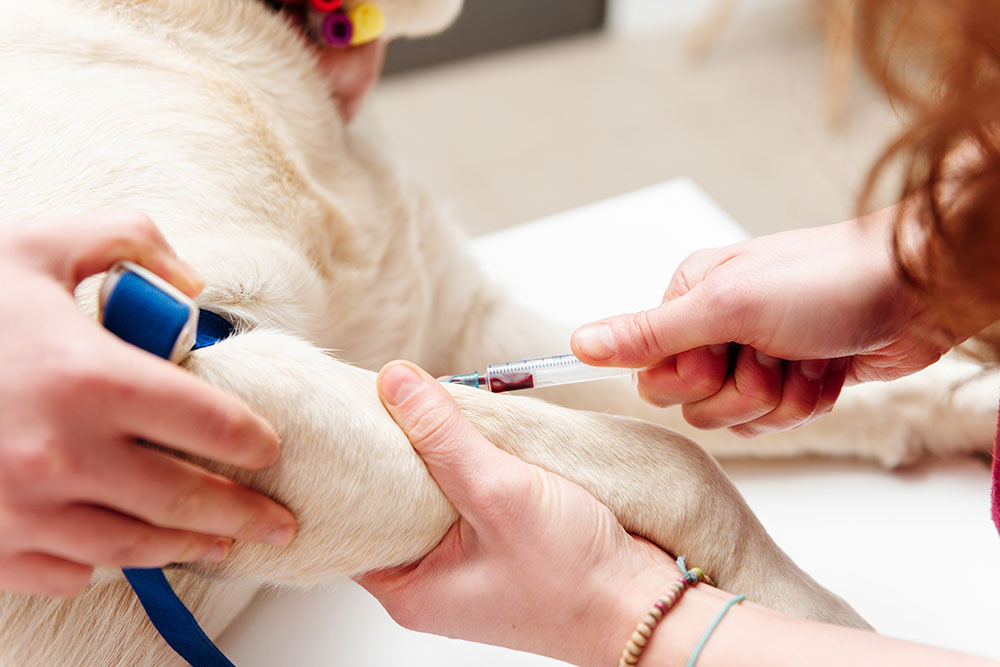
Diagnosis starts with what you’ve noticed at home combined with a thorough physical exam. We check gum color, look for bruising, listen to the heart and lungs, and assess your pet’s energy and comfort level.
The diagnostic workup typically includes:
- Complete blood count and blood smear to evaluate red cells, white cells, and platelets, and to look for signs of immune destruction.
- Chemistry panels to assess organ function and inflammation.
- Targeted testing, including Coombs testing, reticulocyte counts, and antibody screening.
- Tick-borne disease panels to identify infectious triggers.
- Imaging such as X-rays or ultrasound to search for hidden sources of inflammation, bleeding, or tumors.
- Ongoing rechecks to track response and guide adjustments.
The goal is to understand the whole picture, not just one abnormal number, so treatment addresses the true cause and supports a full recovery.
How Are These Conditions Treated?
Treatment focuses on stopping the immune attack, supporting your pet while blood counts recover, and preventing complications. Most pets begin with corticosteroids to quiet the immune response. Depending on severity, additional immunosuppressive medications may be layered in to strengthen control while limiting side effects.
Supportive care can include IV fluids, oxygen therapy, stomach protectants, and careful monitoring. For IMHA patients at high clotting risk, anti-clotting medications help prevent thrombosis. When tick-borne disease is identified as a trigger, targeted antimicrobial therapy is added to treat the underlying infection.
For pets with dangerously low red blood cell counts, blood transfusions can be lifesaving, restoring oxygen-carrying capacity while medications take effect. We design personalized plans, start care promptly, and guide you through the transition to home management. Our pharmacy team explains dosing, timing, and what to watch for so you feel confident between visits.
How Can You Protect Your Pet From Tick-Borne Diseases?
Year-round tick prevention is one of the most important things you can do to reduce your pet’s risk of blood disorders triggered by tick-borne infections. In St. Petersburg’s warm, humid climate, ticks don’t take a winter break, so consistent prevention matters in every month of the year.
Practical prevention strategies:
- Use veterinarian-recommended tick prevention products year-round
- Check your pet for ticks after walks, hikes, and yard time, paying close attention to ears, between toes, under the collar, and along the belly
- Keep grass trimmed and leaf litter cleared in your yard to reduce tick habitat
- Ask your veterinarian which prevention products work best for your pet’s lifestyle and local tick populations
Consistent prevention won’t eliminate all risk of autoimmune blood diseases, since not all cases are tick-related. But it removes one of the most common and avoidable triggers. Our wellness and preventative care team can help you choose the right prevention plan and stay on schedule.
When Should You Seek Help Right Away?
Fast action saves lives with sudden anemia or uncontrolled bleeding. In St. Petersburg, heat and humidity can unmask underlying illness by increasing stress on the body, so don’t wait if your pet looks significantly different from normal.
Urgent signs to act on:
- Collapse, severe weakness, or labored breathing
- Pale, white, or yellow gums and tongue
- Dark brown or red urine
- Nosebleeds, blood in stool, or widespread bruising
- Sudden limb pain or swelling (possible blood clot)
- Lethargy so pronounced your pet is barely responsive
Trust your instincts. If something feels off, it probably is. Our team provides triage during open hours and coordinates care with trusted local partners for after-hours needs through our emergency services.
What Does Recovery Look Like?
Many pets reach remission, meaning their blood counts return to normal and stay stable. Most show noticeable improvement within the first week, though full stabilization takes longer. Some pets can eventually taper off all medications, while others need long-term low-dose therapy to prevent relapse. Both paths can mean a comfortable, active life.
Positive signs of recovery:
- Better appetite and more interest in play
- Gums returning to a healthy pink color
- Easier, more relaxed breathing
- Resolution of bruising or bleeding
- More energy and engagement with the family
Relapse can happen, especially if medications are reduced too quickly or an underlying trigger hasn’t been fully resolved. Early recognition of renewed lethargy or new bruising allows us to intervene quickly. Regular follow-up bloodwork catches changes before they become problems and keeps the plan on track.
How Can You Support Your Pet at Home During Treatment?
Consistent home care makes a real difference. Give medications exactly as directed and never stop them suddenly unless your veterinarian advises it. Keep a simple journal of appetite, activity, and any changes you notice.
Daily monitoring checklist:
- Check gum color morning and evening. Healthy gums should be pink and moist.
- Look for new bruising, especially on the belly, inner thighs, and gums.
- Note energy level and appetite changes from day to day.
- Watch for any bleeding from the nose, mouth, or in urine and stool.
- Monitor for sudden breathing difficulty, limb pain or swelling, or collapse, as these can signal blood clots.
Practical tips:
- Use pill organizers or phone reminders to keep doses on schedule
- Keep exercise low-key until blood counts stabilize
- Provide fresh water and plan for more frequent bathroom breaks if medications increase thirst
- Maintain a calm, predictable routine
If questions or new symptoms come up between appointments, please contact us right away. We would always rather hear from you early than have a small concern become a bigger one.

Frequently Asked Questions
What is the difference between anemia and thrombocytopenia? Anemia means low red blood cells, which affects oxygen delivery and causes tiredness, weakness, and pale gums. Thrombocytopenia means low platelets, which affects clotting and leads to bruising, bleeding, and petechiae. Some pets develop both conditions simultaneously.
Are autoimmune blood disorders curable? Many pets reach remission and live normal, comfortable lives. Some can eventually stop all medications, while others need ongoing low-dose therapy. Relapses can occur, but early recognition and treatment adjustments keep most pets stable.
How quickly should I act if I notice symptoms? Immediately. Pale gums, unusual bruising, weakness, and rapid breathing are all signs that your pet needs evaluation as soon as possible. Early care significantly improves safety and recovery outcomes.
Will my pet need a blood transfusion? Not always, but severe anemia sometimes requires a transfusion to stabilize your pet while immunosuppressive medications take effect. Your veterinarian will assess whether transfusion is needed based on blood counts and clinical signs.
Can tick prevention help prevent autoimmune blood diseases? Year-round tick prevention reduces exposure to infections like Ehrlichia, Anaplasma, Babesia, and Lyme disease, which are known triggers for immune-mediated blood disorders. It won’t prevent all cases, since some autoimmune conditions aren’t tick-related, but it eliminates one important and avoidable risk factor.
Partnering With You for Your Pet’s Blood Health
Autoimmune blood diseases and tick-borne infections are frightening, especially when symptoms appear out of nowhere. But with accurate diagnostics, targeted treatment, and dedicated follow-up, most pets recover and return to the life you love sharing with them. Early recognition and prompt care make the biggest difference in outcomes.
If you’re worried about symptoms or have questions about your pet’s risk, our team is ready to help. To start a thorough evaluation or plan a follow-up, please request an appointment. Together, we’ll protect the wonderful life you share with your pet.





Leave A Comment