Common Causes of Vomiting in Dogs and What to Do

Dr. Dan Jones
Medical Director, DVM
Why Dogs Vomit and How to Know When It's Serious
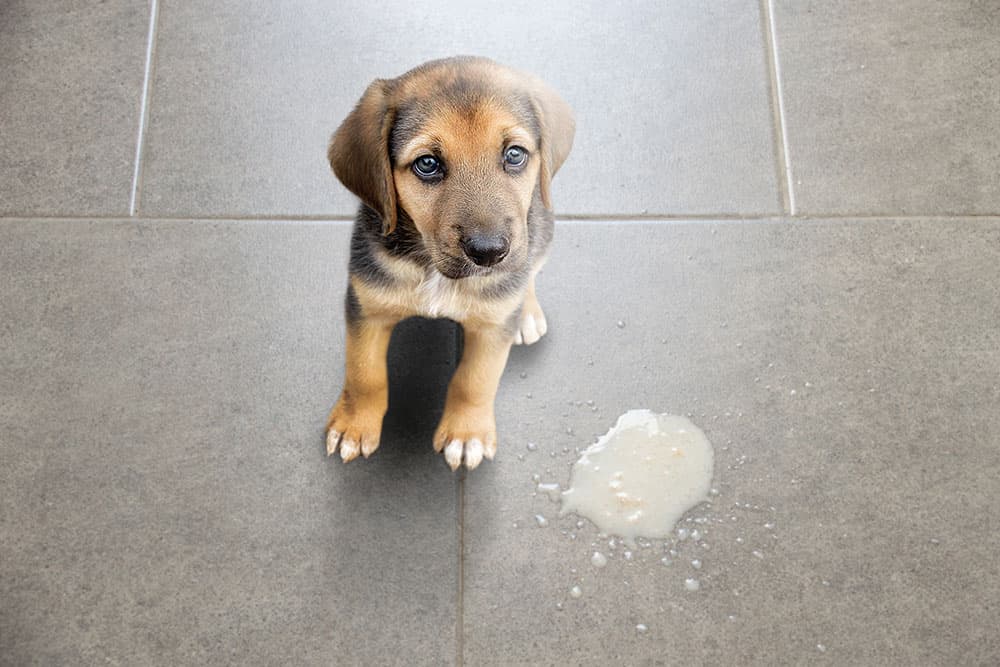
Occasionally, dogs vomit—sometimes because they ate something they shouldn't have or because they suffer from food sensitivities—but they recover quickly. However, persistent vomiting can signal that your pet needs immediate veterinary care, particularly if the vomiting is accompanied by other signs.
Our Skyway Animal Hospital team explains vomiting causes and how to determine if your furry pal needs prompt veterinary intervention.
Common Causes of Vomiting in Dogs
Vomiting is often a side effect of something else. As the AVMA notes, a queasy stomach can occur when your pet is unwell, has allergies, or has general gastrointestinal (GI) issues. The following are some of the most common reasons why dogs vomit:
Ingestion of Foreign Substances
Dogs, more than most pet species, are known for their indiscriminate palate and will often ingest items they shouldn't. These items might include:
- Plants
- Garbage
- Toys
- Excrement from other animals
- Dirt
- Just about anything they encounter
Because of this, they may experience vomiting, diarrhea, and other GI problems. Sometimes, dogs will eat something toxic or poisonous. If your pet displays other signs of poisoning, such as persistent vomiting, diarrhea, disorientation, or seizures, treat it as an emergency that requires prompt medical care.
Food Allergies or Sensitivities
Some pets develop allergies to certain ingredients in food, including proteins and grains. Allergies can result in gastrointestinal upset, including vomiting.
Additionally, changes in a pet's diet can upset their stomach. If you decide to change your pet's food, do so gradually over 7-10 days to give them time to adjust and avoid vomiting and diarrhea problems.
Gastrointestinal Conditions
Certain conditions can cause vomiting, such as:
- Gastritis — An inflammation of the stomach lining
- Inflammatory Bowel Disease (IBD) — A chronic GI condition that causes recurrent vomiting
- Pancreatitis — Inflammation of the pancreas, often triggered by fatty foods
- Intestinal obstruction — Blockage from foreign objects or tumors
Viral or Bacterial Infections
Parvovirus, coronavirus, and canine distemper are examples of infections that cause vomiting and diarrhea in dogs. Bacterial infections, such as giardia and campylobacteriosis, can result in vomiting, diarrhea, dehydration, and fever.
The best way to help your pet avoid viral or bacterial infections is to have them fully vaccinated by our team.
Organ Dysfunction
The kidneys and liver play critical roles in detoxifying the body. When their function is disrupted by disease or infection, it can lead to nausea and vomiting, among other health effects.
Your pet's annual wellness exam includes essential laboratory testing to check how well their organs are functioning.
Motion Sickness
Many pets experience motion sickness during car rides, which can cause them to vomit.
Stress and Anxiety
Changes in the environment, new pets or people, and loud noises can all trigger stress in pets, sometimes causing gastrointestinal upset.
Warning Signs That Require Immediate Care
Contact our Emergency Services immediately if you notice:
- Vomiting multiple times in one day
- Vomiting blood or material that looks like coffee grounds
- Inability to keep water down
- Lethargy or weakness
- Abdominal pain or bloating
- Attempts to vomit without producing anything (retching)
- Vomiting combined with diarrhea
- Signs of dehydration (dry gums, sunken eyes)
- Known ingestion of toxins or foreign objects
What to Do When Your Dog Vomits
For Minor, Isolated Incidents
- Withhold food for 12-24 hours to let the stomach settle
- Offer small amounts of water frequently to prevent dehydration
- Reintroduce bland food gradually (boiled chicken and rice)
- Monitor closely for any additional symptoms
When to Call Your Veterinarian
If your dog is vomiting, it can be understandably worrisome. Knowing the possible causes and what warning signs to look for will help you ensure your four-legged friend gets the treatment they need.
When in doubt, promptly contact our team to guide you to the best course of action.
Prevention Tips
- Keep garbage, toxic substances, and small objects out of reach
- Make dietary changes gradually
- Feed appropriate portions and avoid table scraps
- Keep your pet up to date on vaccinations
- Schedule regular wellness exams to catch problems early
Trusted Resources
Skyway Animal Hospital 3258 5th Ave S, St. Petersburg, FL 33712 Phone: 727-327-5141