Making the Difficult Decision: How to Know When It's Time for Euthanasia

Dr. Dan Jones
Medical Director, DVM
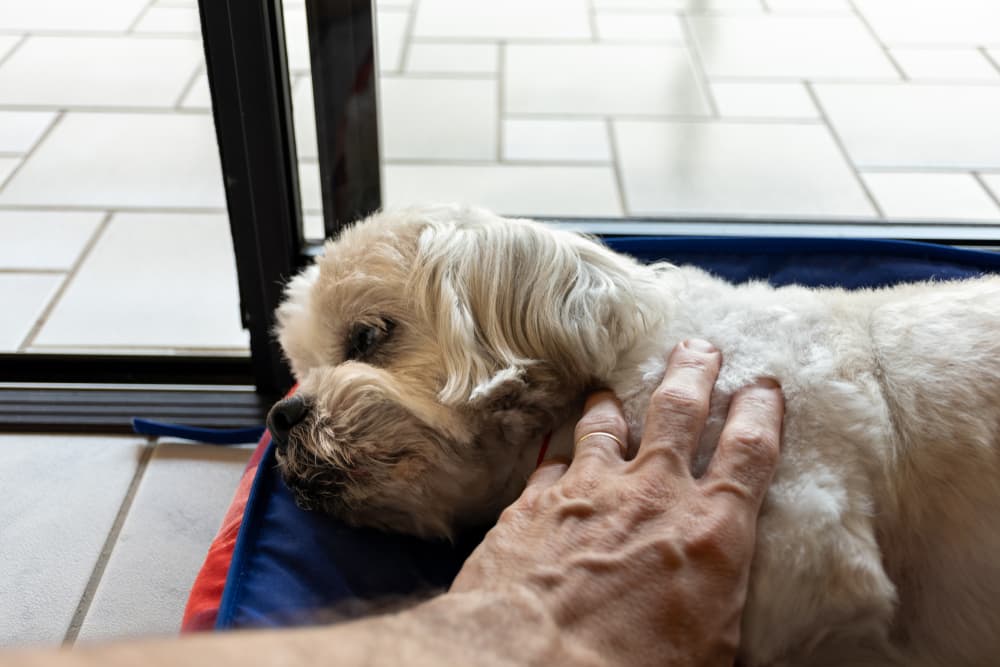
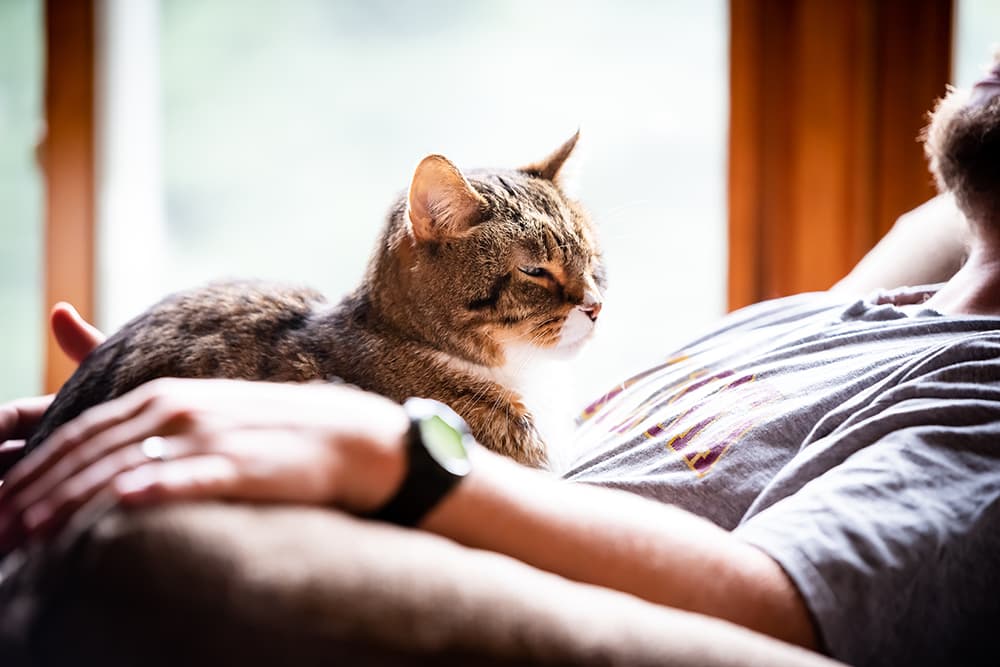
Saying goodbye to a beloved pet is one of the hardest decisions a family can face. These animals are not just companions—they're woven into the fabric of our daily lives, offering love, comfort, and unwavering loyalty.
When illness or aging takes away their joy or comfort, choosing euthanasia may become a necessary, though heartbreaking, act of love. At Skyway Animal Hospital, we're here to support you through this difficult time with compassion and guidance.
Understanding Euthanasia
Euthanasia, which means "good death" in Greek, is a peaceful, painless way to end suffering when quality of life can no longer be maintained. It's an act of profound love and responsibility—the final gift we can give our pets when they can no longer enjoy life.
When Is It Time?
This is the question that weighs heaviest on pet owners' hearts. While there's rarely a clear-cut answer, there are ways to assess your pet's quality of life.
The Quality of Life Scale
Consider these aspects of your pet's daily life:
Hurt — Is your pet in pain? Can the pain be managed effectively with medication? Pain that cannot be controlled is a significant factor in quality of life.
Hunger — Is your pet eating? Pets who have stopped eating, or can only be coaxed to eat with great effort, may be telling you they're ready.
Hydration — Is your pet drinking? Can fluids be maintained? Severe dehydration that cannot be managed indicates declining health.
Hygiene — Can your pet maintain basic hygiene? Incontinence and inability to groom can be distressing for pets who were previously fastidious.
Happiness — Does your pet still experience joy? Do they respond to you, wag their tail, purr, or show interest in favorite activities?
Mobility — Can your pet move around? Can they get to food, water, and a comfortable resting place without assistance?
More Good Days Than Bad — When bad days begin to outnumber good days, it may be time to consider letting go.
Signs That Quality of Life Is Declining
- Chronic pain that doesn't respond to medication
- Inability to eat or drink
- Difficulty breathing
- Loss of interest in previously enjoyed activities
- Withdrawal from family members
- Inability to stand or walk
- Chronic vomiting or diarrhea
- Incontinence with distress
- Hiding (especially in cats)
- No longer responding to you or their environment
Questions to Ask Yourself
- Is my pet suffering?
- Am I keeping my pet alive for them, or for me?
- Can my pet still do the things that made them happy?
- Would my pet want to live like this?
Having the Conversation
If you're unsure whether it's time, we encourage you to schedule a quality-of-life consultation with our veterinary team. We can:
- Provide an honest assessment of your pet's condition
- Discuss treatment options that may remain
- Help you understand what to expect going forward
- Support you in making this deeply personal decision
We will never pressure you one way or another. This is your decision to make, and we respect that.
What to Expect
Understanding what happens during euthanasia can help ease some anxiety about the process.
Before the Appointment
- Take time to say goodbye at home if you wish
- Consider what you'd like to do with your pet's remains
- Decide if family members (including children) wish to be present
- Bring a favorite blanket or toy for comfort
During the Procedure
The process is peaceful and painless:
- A sedative is often given first to help your pet relax
- Once deeply relaxed, a final injection is administered
- This medication works quickly, typically within seconds
- Your pet simply falls asleep and their heart stops
You may notice:
- A final deep breath or sigh
- Muscle twitches (this is normal and not a sign of consciousness)
- Eyes may remain open
- Bladder or bowel release may occur
We will give you as much time as you need to say goodbye.
Aftercare Options
We can discuss options including:
- Communal cremation
- Private cremation with ashes returned
- Home burial (where local regulations permit)
- Pet cemetery
Supporting Yourself Through Grief
The grief you feel after losing a pet is real and valid. Your pet was family, and mourning them is natural.
Allow Yourself to Grieve
- Don't let anyone minimize your loss
- Everyone grieves differently—there's no right or wrong way
- Take time off work if you need to
- Talk about your pet and your feelings
Resources for Support
- Pet loss support hotlines
- Grief counseling
- Online support communities
- Memorial keepsakes (paw prints, fur clippings, photos)
Helping Children Cope
- Be honest and age-appropriate
- Use clear language (avoid "went to sleep" which can cause confusion)
- Allow them to participate in memorials if they wish
- Validate their feelings
When You're Ready
There's no timeline for grief, and no right time to welcome another pet into your life. When and if you're ready, opening your heart again doesn't mean forgetting—it means honoring your capacity to love.
We're Here for You
Making this decision is never easy, but you don't have to face it alone. Our compassionate team at Skyway Animal Hospital is here to support you through every step of this journey.
If you have questions about your pet's quality of life or need to discuss end-of-life care, please contact us. We're here to help.
At Skyway Animal Hospital, we provide compassionate senior pet care to support your aging companion through every stage of life. Request an appointment or call us at (727) 327-5141.
Skyway Animal Hospital 3258 5th Ave S, St. Petersburg, FL 33712 Phone: 727-327-5141