Vomiting in Dogs: How to Tell If It's an Emergency

Dr. Dan Jones
Medical Director, DVM
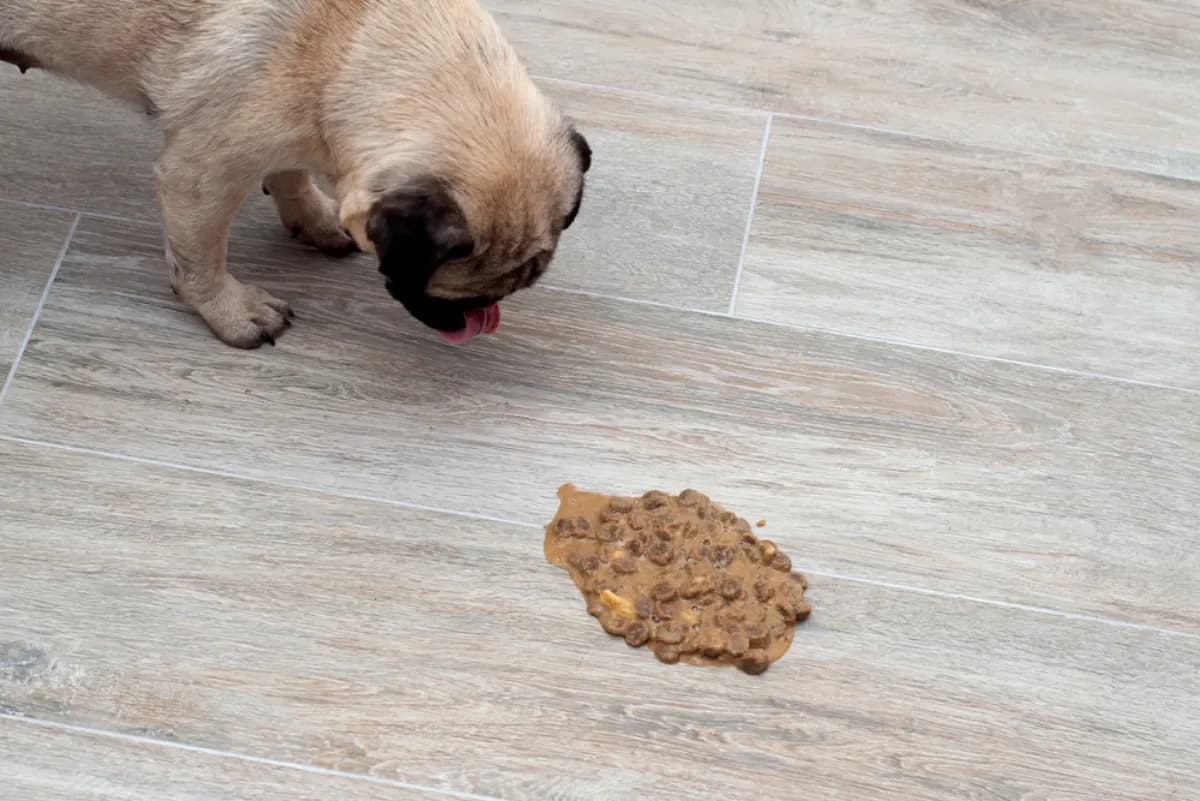
Occasionally, dogs vomit, sometimes because they ate something they shouldn't have or because they suffer from food sensitivities, but they recover quickly. However, persistent vomiting can signal that your pet needs immediate veterinary care, particularly if the vomiting is accompanied by other signs.
What causes dogs to vomit?
Vomiting is often a side effect of something else. A queasy stomach can occur when your pet is unwell, has allergies, or has general gastrointestinal (GI) issues. The following are some of the most common reasons why dogs vomit:
-
Ingestion of foreign substances — Dogs are known for their indiscriminate palate and will often ingest items they shouldn't. These items might include plants, garbage, toys, excrement from other animals, dirt, and just about anything they encounter. Sometimes, dogs will eat something toxic or poisonous. If your pet displays other signs of poisoning, such as persistent vomiting, diarrhea, disorientation, or seizures, treat it as an emergency that requires prompt medical care. You can also reach the ASPCA Animal Poison Control Center for guidance on toxic ingestions.
-
Food allergies or sensitivities — Some pets develop allergies to certain ingredients in food, including proteins and grains. Allergies can result in gastrointestinal upset, including vomiting. Additionally, changes in a pet's diet can upset their stomach, so if you decide to change up your pet's food, do so gradually.
-
Gastrointestinal conditions — Certain conditions can cause vomiting, such as gastritis, an inflammation of the stomach lining, and inflammatory bowel disease (IBD), a chronic GI condition that causes recurrent vomiting.
-
Parasites — Intestinal parasites, such as roundworms or tapeworms, can cause vomiting in canines. They can also cause diarrhea, dull coat, anemia, weight loss, and other health problems.
-
Viral or bacterial infections — Parvovirus, coronavirus, and canine distemper are examples of infections that cause vomiting and diarrhea in dogs. The best way to help your pet avoid viral or bacterial infections is to have them fully vaccinated.
-
Organ dysfunction — The kidneys and liver play critical roles in detoxifying the body. When their function is disrupted by disease or infection, it can lead to nausea and vomiting.
-
Motion sickness — Many pets experience motion sickness during car rides, which can cause them to vomit.
-
Stress and anxiety — Changes in the environment, new pets or people, and loud noises can all trigger stress in pets, sometimes causing gastrointestinal upset.
Is vomiting a veterinary emergency?
In most cases, your pet's vomiting will subside, and they will go on without additional health complications. The AVMA recommends seeking immediate veterinary care when vomiting is accompanied by other warning signs. Certain signs may indicate a more severe problem, such as:
- Frequency and duration — Vomiting multiple times in a day or for more than 24 hours is a red flag.
- Appearance of vomit — The presence of blood, either bright red or resembling coffee grounds, suggests internal bleeding.
- Foreign objects — Pieces of toys, fabric, or other objects in your dog's vomit can indicate a gastrointestinal obstruction.
- Corresponding conditions — If the vomiting is accompanied by lethargy, diarrhea, weight loss, and pain, call the team.
- Dehydration — Prolonged vomiting can lead to dehydration, which is indicated by sunken eyes, dry gums, and lethargy.
- Underlying medical issues — Dogs with known health conditions (e.g., diabetes, kidney disease) who are vomiting frequently need immediate attention.
If your dog is vomiting, it can be understandably worrisome. Knowing the possible causes and what warning signs to look for will help you ensure your four-legged friend gets the treatment they need. When in doubt, promptly contact our Skyway Animal Hospital team.
Trusted Resources
At Skyway Animal Hospital, we provide comprehensive emergency & urgent care for pets in St. Petersburg. Request an appointment or call us at (727) 327-5141.