Urinary Stones: Diet Dissolution vs. Surgery

Dr. Dan Jones
Medical Director, DVM
Urinary Stones: Diet Dissolution vs. Surgery
Bladder Stones in Pets: When Can Diet Dissolve Them and When Is Surgery Needed?
According to the AVMA, urinary stones can be very uncomfortable for pets and, in some cases, can become a serious emergency if they cause a blockage. You may notice signs like straining to urinate, frequent attempts to go, blood in the urine, or accidents in the house. The good news is that treatment is highly effective, and the right approach depends on the type of stone involved. Some stones can dissolve with prescription diets, while others require surgery to remove them safely. Struvite stones often dissolve over several weeks to months with diet therapy, but calcium oxalate, urate, and cystine stones rarely dissolve and usually need surgical removal. Testing such as urinalysis, X-rays or ultrasound, and stone analysis helps us confirm what type of stone your pet has so we can choose the best plan.
At Skyway Animal Hospital in St. Petersburg, we provide complete urinary stone care, from diagnosis through treatment and prevention. Using our diagnostic services and surgical capabilities, we can identify stone types, recommend dissolution diets when appropriate, and perform surgery when stones will not dissolve or pose a risk of obstruction. Through our wellness programs, we also help pets who are prone to stones with ongoing monitoring and personalized prevention plans. Early detection makes a big difference and can help prevent painful emergencies.
What Are Bladder Stones and Why Do They Form?
Bladder stones, or uroliths, form when minerals in urine crystallize and clump inside the bladder. They can be tiny like sand or large like marbles. Unlike kidney stones, bladder stones irritate the bladder lining and can trap bacteria.
Normally, urine keeps minerals dissolved. When infections, diet, genetics, or health changes shift that balance, crystals form and grow into stones. Some form in weeks, others in months.
Understanding your pet's risks helps prevent stones. We use imaging and lab testing to identify stone type and root causes, then tailor treatment to relieve symptoms and protect long-term urinary health.
Why Do Bladder Stones Develop?
Several factors work together:
- Urinary tract infections can change urine pH and encourage certain crystals, especially struvite
- Diet affects urine chemistry. Low moisture and high mineral content can raise risk. Not drinking enough water concentrates urine
- Breed and sex matter. According to the ACVIM, Dalmatians are prone to urate stones. Miniature Schnauzers, Bichon Frises, and Shih Tzus more often develop calcium oxalate. Male cats and dogs have narrower urethras, increasing obstruction risk
- Health conditions such as diabetes and liver disease can alter urine. Obesity is linked to higher risk
We review your pet's diet, water intake, breed risks, and overall health to guide prevention and treatment.
Why Bladder Stones Need Prompt Care
Bladder stones can quickly become serious. They cause inflammation and pain with urination, and you may see pink or red urine.
Complete urinary obstruction is an emergency. When stones block the urethra, urine cannot pass, and toxins build up. This can lead to kidney damage or bladder rupture within 24 to 48 hours. Urinary obstruction in male cats is common due to narrow urethras, and small male dogs face similar risk.
Stones can harbor bacteria, leading to stubborn infections that may spread to the kidneys. Pressure from backed-up urine can harm kidney function.
We prioritize urinary emergencies during business hours, and our emergency services partners handle after-hours stabilization for obstructions.
Signs of Bladder Stones
Know what to watch for so you can act quickly:
- Frequent attempts to urinate with little output
- Straining, crying, or discomfort while urinating
- Blood in urine or pink-tinged drips around the house
- Accidents in previously house-trained pets
- Excessive licking at the urinary opening
- Lower appetite or less play
- Restlessness or trouble getting comfortable
If a male cat or small male dog cannot urinate at all, seek immediate care. Positioning to pee with no urine, worsening agitation, or vocalizing in pain is an urgent emergency.
Our team understands how stressful this is. We expedite appointments for urinary concerns and work to provide fast relief.
How We Diagnose Bladder Stones
Diagnosis combines history, exam, and tests:
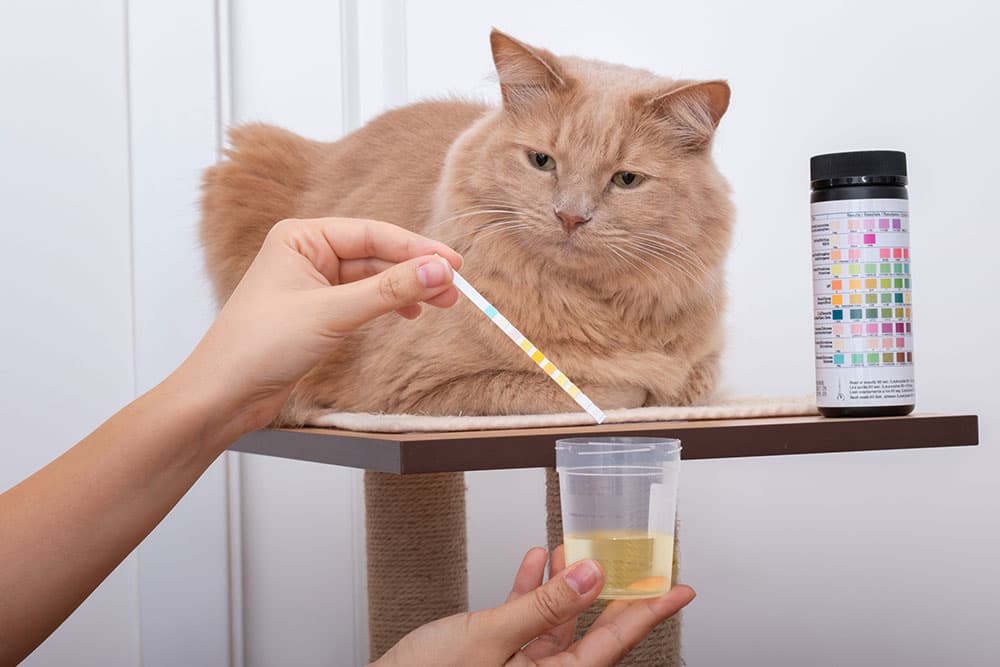
- Urinalysis checks for crystals, pH, blood, bacteria, and concentration. Crystal shape often hints at stone type. Urine culture identifies infection and guides antibiotics
- Imaging shows the number, size, and location of stones. X-rays find many stones, while ultrasound sees all types and evaluates the bladder wall
- In some cases, CT provides more detail. If stones are removed, laboratory stone analysis confirms composition for prevention planning
Our diagnostic capabilities include complete urinalysis, digital radiographs, and ultrasound to efficiently guide care.
Can Diet Dissolve Bladder Stones?
Yes, certain stones respond to diets. Dietary treatment of bladder stones can dissolve struvite stones by changing urine pH and reducing minerals. This usually takes six to twelve weeks with strict feeding and regular rechecks.
Dietary dissolution requires feeding only the prescribed food, with no treats that alter urine chemistry. We monitor with repeat urinalysis and imaging to confirm progress and catch complications early.
Calcium oxalate stones do not dissolve with diet and need surgical removal. Urate and cystine rarely dissolve fully with diet alone, though special nutrition can help slow growth while planning surgery.
Not all pets are candidates for dissolution. Complete obstruction, very large stones, or poor diet compliance may make surgery the safer option. We help families decide the best path and provide clear feeding guidance.
When Surgery Is Needed
When stones will not dissolve or risk obstruction, surgery is the definitive treatment. Our surgical team performs cystotomy under general anesthesia to open the bladder and remove stones. We flush the bladder to clear fragments and assess the bladder lining.
Stone analysis after removal guides prevention: different stone types need different diets, hydration strategies, and monitoring.
Recovery generally includes:
- Pain relief for several days
- Antibiotics if infection is present
- Incision checks for swelling or discharge
- Rest and activity restriction for 10 to 14 days
- A follow-up exam to confirm healing
Most pets feel better quickly once the discomfort of stones is gone. We continue periodic monitoring to prevent recurrence.
Catheterization in Emergencies
If a pet is blocked and cannot urinate, catheterization restores flow and relieves the immediate danger. A small tube is passed through the urethra to bypass or dislodge the blockage so urine can drain.
This is a stabilizing step, not a cure. After stabilization, we decide whether stones can be flushed back into the bladder for removal, dissolved with diet if appropriate, or taken out with surgery.
Some pets keep a temporary catheter for one to two days while inflammation settles. During this time, we track urine output, give fluids, and plan the next steps.
Preventing Bladder Stones From Returning
Prevention focuses on nutrition, hydration, and managing underlying issues:
- Use prescription diets tailored to the specific stone type to keep urine chemistry in balance
- Boost hydration to dilute urine:
- Feed canned food or add water to meals
- Offer multiple fresh water stations
- Use pet fountains to encourage drinking
- Give ice cubes if your pet likes them
- Enroll in our wellness programs for regular monitoring. We recommend urinalysis every three to six months for pets with a history of stones, plus imaging as needed
- Address infections promptly, maintain a healthy weight, and manage metabolic conditions
Some pets need lifelong diets, while others can transition to maintenance foods after a stone-free period. We tailor plans to your pet's stone type and health.
FAQs
Will bladder stones go away on their own?
No. Small crystals may pass, but formed stones stay and often grow. They need to be dissolved with a prescription diet or removed surgically.
Can changing food prevent all stones?
Diet helps with certain stones, especially struvite. Calcium oxalate stones need different prevention that includes diet, hydration, and sometimes medication. The right plan depends on stone type.
How likely are stones to come back?
Recurrence varies by stone type and consistency with prevention. Struvite stones often recur when diet isn't followed. Calcium oxalate stones have higher recurrence even with prevention. Regular monitoring reduces risk.
How fast do stones form?
With infection, struvite stones can form within weeks. Calcium oxalate stones tend to form over months. Routine checks catch problems early.
Your Partner in Urinary Health
Bladder stones are painful and can be dangerous, but pets do well with timely care. Whether diet can dissolve the stones or surgery is needed, identifying stone type and root cause guides the best plan. Most pets return to normal quickly with treatment and prevention.
Skyway Animal Hospital provides compassionate, comprehensive care to diagnose, treat, and prevent bladder stones. We're here to answer questions, evaluate symptoms, and support you at every step. Contact us or schedule an appointment today. If you notice signs of straining, blood in urine, or trouble urinating, reach out promptly so we can help.
Trusted Resources
Skyway Animal Hospital 3258 5th Ave S, St. Petersburg, FL 33712 Phone: 727-327-5141