Changes in Your Pet You Shouldn't Ignore

Dr. Dan Jones
Medical Director, DVM
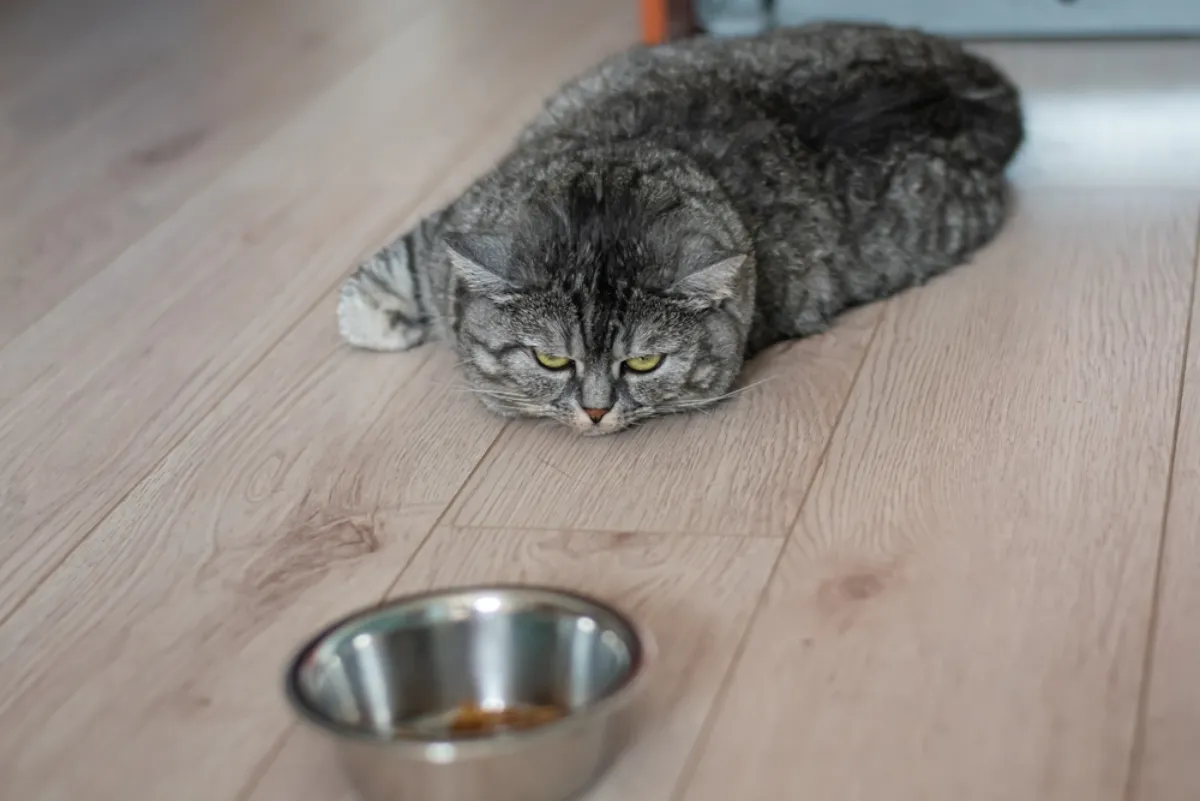
Wouldn't it be wonderful if your pet could verbally tell you when they are unwell or in pain? Unfortunately, our pets can communicate only with body language that is often subtle, but you can learn to recognize their signals by staying vigilant to changes in their health and behavior. Recognizing that your pet has a problem, and knowing which problems require veterinary attention, are important for your pet's optimal health. Our Skyway Animal Hospital team explains common warning signs, so you can learn when your pet needs veterinary care.
Your pet's appetite or thirst has changed
Increased thirst or excessive drinking may indicate conditions such as diabetes, kidney disease, or Cushing's disease. If your pet suddenly loses interest in eating, they may be suffering from dental disease, gastrointestinal (GI) problems, or other systemic illnesses. Any major changes in your pet's eating and drinking habits should be addressed with our Skyway Animal Hospital team.
Your pet has lost or gained weight without explanation
Unexplained weight loss can be a sign of parasites, nutritional malabsorption, thyroid issues, cancer, or chronic diseases. On the other hand, rapid or unexplained weight gain may be related to hormonal imbalances, fluid retention, or overfeeding. Weight fluctuations require veterinary attention.
Your pet is lethargic and disinterested in play
A noticeable decrease in energy levels or reluctance to engage in normal activities can indicate various health issues. The causes may be simple, such as aging or hot weather, or serious, such as heart disease, infection, or a metabolic disorder. If your furry friend is sleeping more or has lost interest in activity, contact our team for an evaluation.
Your pet is behaving differently
Behavior fluctuations, such as overexcitement about a new toy or anxiety during thunderstorms, are normal, but sudden or drastic behavior changes can indicate a health problem. Abrupt behavior changes, such as aggression, hiding, clinginess, or irritability, should be addressed by our veterinarian.
Your pet is vomiting or has persistent diarrhea
GI flare-ups can occur when a pet ingests an inappropriate food or item. Occasional vomiting is unlikely to be cause for alarm, but frequent vomiting can indicate poisoning, GI obstructions, or pancreatitis. Persistent diarrhea may signal an infection, dietary allergies, or inflammatory bowel disease and can cause dehydration. Always contact our team if your pet's tummy troubles are ongoing.
Your pet has difficulty breathing
Any breathing issue should be considered urgent and indicates your pet requires veterinary attention. Chronic coughing can mean that heart disease, respiratory infections, or a collapsing trachea in dogs is the problem. If your pet is panting excessively and heat or stress is not the cause, seek veterinary attention.
Your pet has skin or coat issues
If your furry friend is constantly scratching or itching, they may have allergies, parasites, or skin infections. Excessive shedding or chronic licking and biting the skin can result in bald patches and hot spots. Some skin disorders can be caused by infections, hormonal imbalances, and autoimmune diseases. If your pet's hair loss is noticeable or their skin is red and itchy with open wounds, contact our team.
Your pet is urinating more or straining to urinate
More frequent urination can be a sign of a urinary tract infection, bladder stones, or diabetes. If your pet is straining to urinate or producing only small amounts of urine, they may have a urinary tract infection or a blockage, which can be life-threatening.
Your pet has red or swollen eyes
Our veterinary team should check any eye injury or obvious change. Eye redness, swelling, or discharge can indicate an infection, allergic reaction, or a serious issue like glaucoma. The best action with any sign of an eye problem is a veterinary examination.
If you observe any of these warning signs in your pet, you should consult with our team. Being attentive to your pet's behavior and physical condition can significantly improve their quality of life, and may even save their life. Remember — when in doubt, err on the side of caution and contact our Skyway Animal Hospital team promptly.
At Skyway Animal Hospital, we provide comprehensive wellness care and diagnostic services for pets in St. Petersburg. Request an appointment or call us at (727) 327-5141.