Hurricane Prep for Florida Pets: A Skyway Animal Hospital Survival Guide
Skyway Animal Hospital
Veterinary Team
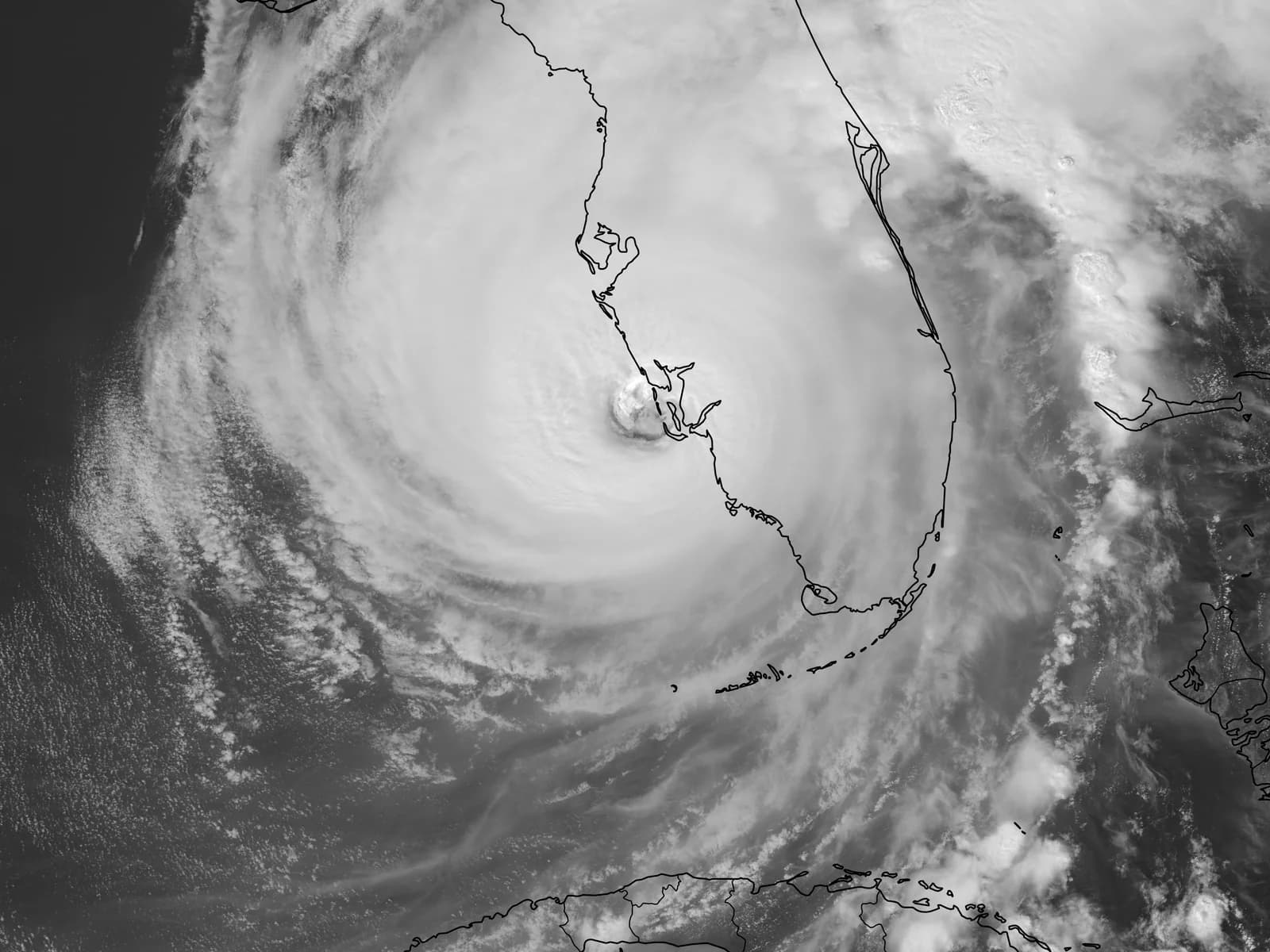
Atlantic hurricane season runs June 1 through November 30. In Pinellas County, the question is never if a storm will affect us during those six months — it's how many, how strong, and how much warning we'll get. After 63 years of helping St. Pete families through Donna, Elena, Charley, Irma, Ian, and dozens of smaller scares, we can tell you one thing with certainty: the families who fared best had a plan that included their pets before the cone of uncertainty showed up on the news.
This guide is for everyone — first-summer-in-Florida transplants, lifelong locals who haven't refreshed their go-bag since the last storm, and people who keep meaning to get organized. Read it now, while the sky is calm.
Why Pets Are Different in a Storm
Most disaster planning checklists treat pets as an afterthought. They shouldn't be. Here's what changes when a pet is in the picture:
- Many shelters don't take animals. Even some that do require advance registration, current vaccine paperwork, and a carrier. You can't walk up with a 70-lb lab and expect a cot.
- Most hotels relax pet policies during evacuations — but not all, and not on every floor. Knowing which chains do this in advance saves hours when traffic is moving north on I-75.
- Boarding facilities fill up fast. Skyway and other clinics get booked solid in the 48 hours before landfall. The pets that get in are the ones whose families called early.
- Medications, food, and prescription diets become hard to find. Pharmacies and pet stores are picked over or closed.
- Lost pets multiply. A spooked dog who slips a leash during a wind gust, a cat who bolts when the front door opens — these are the situations that fill shelters for weeks after a storm.
The Pet Hurricane Go-Bag (Build This Now)
This is the single most useful thing you can do today. A self-contained tub or backpack, stored in a closet, that does not require any decision-making to grab. Contents:
Documents (in a waterproof zip pouch):
- Current rabies certificate
- Vaccine history (last 12 months)
- A clear photo of you with your pet — for proof of ownership if you get separated
- Microchip number and the registry contact info
- Your vet's contact info (us: (727) 327-5141) and the nearest 24-hour emergency vet
- A list of every medication your pet takes, with dosage and frequency
Two weeks of supplies:
- Food in airtight containers (rotate every 3–4 months — write the date on the lid)
- Bottled water — 1 gallon per pet per week, minimum
- All medications, plus a printed list of what they're for in case a vet has to substitute
- Prescription diet, if applicable, with the brand and formula written on the container
Comfort and containment:
- A carrier that your pet has already been comfortable in — not a new one bought during the storm panic
- A leash and a backup leash (one will get wet, lost, or chewed)
- A few familiar toys and a blanket that smells like home
- Disposable litter pans and litter for cats
- Poop bags, paper towels, trash bags
Medical extras:
- A basic first-aid kit (gauze, vet wrap, saline, tweezers)
- A muzzle if your dog has ever shown stress aggression — even the calmest dog can bite when scared, injured, or in pain
Store the tub somewhere you can grab it in 60 seconds with the power out. Not the attic. Not the garage that floods.
The Boarding Conversation: Have It in May, Not August
If your plan is to evacuate without your pet — for example, flying out to family up north — you need a boarding plan locked down before the season is active.
Call your boarding facility (or call us if you board with Skyway) and ask:
- "Do you require pre-registration for hurricane season?"
- "What vaccines and medical paperwork do I need on file?"
- "How far in advance should I drop off if a storm is in the cone?"
- "What's your evacuation plan if the storm tracks toward Pinellas?" — a good kennel has one and will tell you.
The worst time to learn that your dog's Bordetella vaccine is six months overdue is the morning of an evacuation. Get the records updated now, while there's time for routine appointments.
Microchips: The 30-Second Audit You Probably Owe Your Pet
Most pets in Pinellas are microchipped. Many of those chips are registered to a phone number that's two phones ago, or an email the owner hasn't checked since 2019. After a hurricane, shelters are flooded with strays. The chips do nothing if no one can call you.
Take 30 seconds today:
- Find your pet's microchip number (vaccine paperwork, our records, the chip company's website).
- Look up the registry — most chips in our area are HomeAgain, AKC Reunite, 24Petwatch, or AVID.
- Confirm your current phone, email, and an emergency contact who doesn't live in Florida.
If you can't find the chip number or don't know which registry it's with, call us at (727) 327-5141 — we can scan your pet at your next visit and help you find the right registry.
Evacuation Reality Check
Not every storm requires evacuation. Most don't. But when one does:
- Leave early. I-75 northbound becomes a parking lot at the 48-hour mark. Pets in a hot car in standstill traffic is a medical emergency we see every season.
- Pet-friendly hotels worth knowing: Most Best Western, La Quinta, Drury, Red Roof, and Kimpton properties take pets. Many Hilton and Marriott brands take pets at individual property discretion. Call ahead — and call early.
- Have a backup destination. "Mom's house in Tampa" is not a hurricane evacuation. Pick somewhere at least 200 miles inland or out of the storm cone entirely.
- Print your route. If cell towers go down or get overloaded, your phone's GPS becomes a brick.
If you can't evacuate, the next-best plan is sheltering in place with the supplies above, in the most interior windowless room of your home, with your pet either with you or in a familiar crate where they can't bolt if a window breaks.
The Day Before — A Short Checklist
When a storm is 24–48 hours out:
- Fill the bathtub (pet drinking water if municipal water becomes unsafe)
- Charge phones, battery banks, and a portable radio
- Bring outdoor pets and any outdoor pet supplies inside
- Walk dogs more often than usual before winds pick up — they may not be willing to go out for 12+ hours during the storm
- Update microchip registry information one more time
- Take a current photo of every pet with your phone
- Lay out the go-bag and carriers near the door
After the Storm
Even mild hurricanes leave hazards behind:
- Downed power lines and standing water — keep pets leashed and away from puddles for at least 48 hours
- Displaced wildlife — snakes, raccoons, and alligators relocate during floods. Yards aren't safe perimeters until you've walked them.
- Mold and chemical exposure — sniffing or licking wet carpet, drywall, or yard debris can mean a gastrointestinal emergency
- Open doors and broken fences — many post-storm lost-pet calls are dogs who got out through damage their owners hadn't noticed yet
If your pet got into something during or after a storm — water, mud, debris, an unknown chemical — call us. We'd rather hear from you and find out it's nothing than miss a real exposure.
A Word for First-Summer Florida Pet Families
If this is your first hurricane season as a Florida pet owner, the volume of preparation can feel like overkill until you've lived through one. It isn't. Build the go-bag. Have the boarding conversation. Audit the microchip. The storm you prepare for usually doesn't hit. The one you don't prepare for is the one that does.
We've walked thousands of Pinellas County families through this. If you want help building your plan — figuring out vaccine timing, getting paperwork ready, picking a carrier that'll actually fit in your car next to two kids and a cooler — that's exactly the kind of conversation we welcome at a routine wellness visit.
We're Here
Skyway is open Monday through Saturday during hurricane season at (727) 327-5141. If a storm threatens Pinellas County, watch our website and Facebook page for closure updates. We'll be back open as soon as it's safe — and we'll be ready for the post-storm rush.
Sixty-three years of Florida summers have taught us: the storm itself is usually shorter than people expect. The week after is what tests families. The pets that fare best are the ones whose people had a plan before the cone showed up.
Written by the Skyway Animal Hospital team. Skyway has served Pinellas County pet families since 1961.