Getting Your St. Pete Pet Ready for Summer: A Pre-Season Checklist from Skyway
Skyway Animal Hospital
Veterinary Team
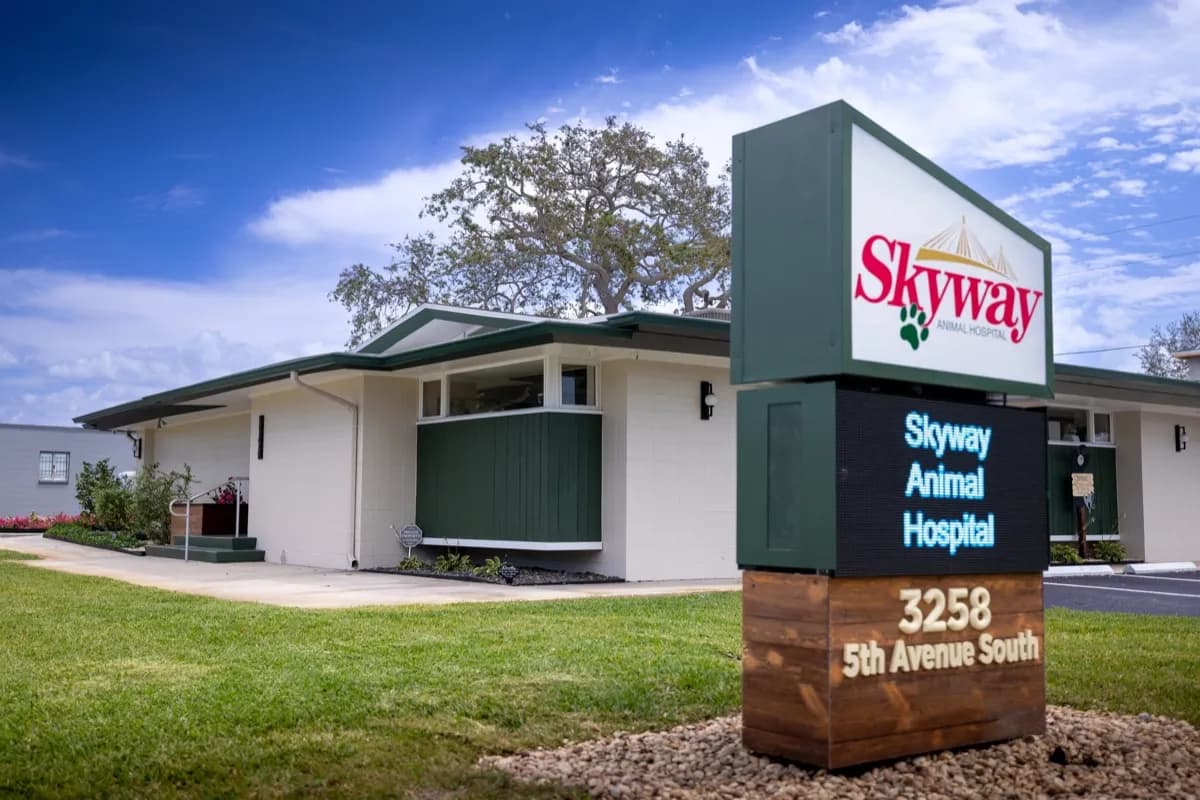
Florida doesn't really do "gradual spring." One Wednesday in April it's 78 degrees and pleasant. The next Wednesday the pavement is hot enough to blister a paw pad by 10 a.m., and the mosquitoes have found their way back to the backyard. After 63 years of caring for St. Petersburg pets, we've learned that the families who sail through summer are the ones who spend a quiet April getting ready.
This is that checklist.
Why April Is the Window
Two reasons. First, most of what protects a pet through Florida summer — heartworm prevention, flea and tick coverage, a wellness check — works best when it's been in place before the exposure spikes, not after. Heartworm prevention is a "catch-up" medication, not a cure. Once a mosquito transmits larvae, you're treating the disease, not preventing it.
Second, our schedule fills up fast in May and June. Every year the same thing happens: the temperature hits 90, something goes sideways for someone's pet, and suddenly we're booked solid. April appointments get you in and out before the rush.
The 6-Point Pre-Summer Checklist
1. Heartworm Test and Year-Round Prevention
We test every dog for heartworm once a year before restarting or continuing prevention. This isn't busywork — it's a safety check. Giving a dog heartworm preventive when they already have adult heartworms can trigger a severe reaction.
In Pinellas County, heartworm prevention is a year-round commitment, not a summer one. Our climate doesn't give mosquitoes a real off-season. If your pet has been off prevention for more than a few months, we need to test before we restart. Bring them in — it's a quick in-house blood draw and we have results the same visit.
Cats need heartworm prevention too, even indoor cats. Mosquitoes get inside. There's no treatment for feline heartworm disease, only prevention.
2. Flea and Tick Protection Audit
Florida is one of the worst fleat and tick environments in the country, and 12 months a year is when they're active. If you've been skipping months, fleas are already in your carpets and yard before you see them on your pet.
A quick audit:
- Is your pet on a currently active, veterinarian-recommended product?
- Are you dosing on schedule, or "when you remember"?
- Are all the pets in the household protected? (One unprotected cat can seed a whole house.)
Over-the-counter products vary widely in effectiveness. If you're not sure what you're using, bring the package in and we'll tell you honestly whether it's doing the job.
3. Hydration Habits
Pets drink more in summer, and the water has to be there for them. Three things to check before the heat hits:
- Bowl capacity. A 40-pound dog in a hot Florida garage can drink a full standard bowl in a few hours. Consider a larger bowl or a second location.
- Travel hydration. If your pet rides in the car for errands, a collapsible bowl and a water bottle in the glove box is cheap insurance.
- Multi-pet households. Dominant pets sometimes guard water bowls. Add a second bowl in a separate room.
Gentle dehydration is under-diagnosed because it's rarely dramatic. A pet with mild chronic dehydration through summer is more susceptible to urinary issues, kidney stress, and heat exhaustion.
4. Paw Pads and the Seven-Second Rule
Florida concrete and asphalt can reach 140 degrees on an 85-degree day. Paw pads burn fast and the damage isn't always visible until hours later — blistering, limping, peeling.
The test: put the back of your hand flat on the pavement for seven seconds. If you can't comfortably hold it there, your pet can't walk on it.
Time your walks for early morning (before 9 a.m.) or evening (after 7 p.m.). If you walk your dog midday, stick to grass.
5. Coat and Grooming: Do Not Shave Double-Coated Dogs
This is the single most common piece of bad summer advice we see. It seems logical — the dog is hot, shave the coat. But double-coated breeds (Huskies, Golden Retrievers, Australian Shepherds, Shelties, and many mixes) have coats that insulate against heat as well as cold. The undercoat traps cool air against the skin. The guard hairs reflect sun.
Shaving a double-coated dog in Florida doesn't cool them down. It exposes their skin to direct sun (sunburn and skin cancer risk), removes their thermal insulation, and the coat often grows back patchy and damaged.
What to do instead:
- Brush, don't shave. Remove dead undercoat with a regular brushing routine.
- Shade and water access. The coat works when the dog can cool itself behind it.
- Ask us if you're unsure about your breed — we'll tell you straight.
Single-coated breeds (Poodles, Yorkies, Bichons) can be clipped normally.
6. Wellness Exam Timing
If your pet is due for a wellness visit in the next few months, book it for April or early May. Three reasons:
- We can catch anything that's brewing before summer stress makes it worse.
- Vaccines, heartworm testing, and prevention refills all happen in one visit.
- You're ahead of the summer booking crunch.
Senior pets (over 7 for large breeds, over 10 for small breeds and cats) benefit especially from a pre-summer check. Age-related conditions like kidney disease, arthritis, and heart issues are harder on a pet when the heat arrives.
What We See Every Summer
Every year the same patterns. The three things we treat most from June through September:
Heat exhaustion. Usually from a walk that went a little too long, a backyard with not quite enough shade, or a car ride that got delayed. Almost always preventable with timing and hydration.
Skin infections. Florida humidity plus a wet dog plus thick fur creates the perfect environment for yeast and bacterial overgrowth. Regular coat maintenance and drying after swims prevents most of it.
Itching and allergies. Florida pollen hits hard in May and June. If your pet has a history of seasonal itching, we'd rather get ahead of it with a conversation now than treat a secondary skin infection in July.
When to Call Us Early
If you're seeing anything unusual — a little more panting than normal, decreased appetite on warm days, drinking noticeably more or less water, or a change in energy — call us. These early signals are much easier to address before summer than after it's started.
Not every call needs an appointment. Sometimes it's a quick conversation with one of our staff and a recommendation. But the families who call early almost always have an easier summer than the families who wait.
Book Your Pre-Summer Visit
If your pet is due (or even close to due) for a wellness exam, now is the time. We've been caring for St. Petersburg pets since 1961, and a little preparation in April is still the single best thing you can do for your pet's summer.
Call us at (727) 521-3518 or schedule online. We'll help you build a prevention plan that fits your pet, your household, and your life in Florida.
Written by the Skyway Animal Hospital team. Skyway has served Pinellas County pet families since 1961.