Fireworks, Thunderstorms, and Anxious Pets: A Florida Storm Season Guide
Skyway Animal Hospital
Veterinary Team
By the middle of May, the afternoon thunderstorm is back. By Memorial Day, the neighborhood fireworks start early and run through July 4th. By late summer, hurricane watches are a real possibility. For Florida pets — and the people who love them — storm season is a marathon, not a single bad night.
The question isn't whether your pet has some level of storm or firework anxiety. Many pets do. The question is what to actually do about it. Here's what we've learned from 63 years of helping Pinellas County families get through storm season together.
First, Is It Really Anxiety?
Not every reaction to a storm is a phobia. The difference matters, because the solution is different for each.
Mild stress (most pets): Alert, slightly tense, might seek out a family member. Recovers quickly after the storm passes. Doesn't need medical intervention — just reassurance.
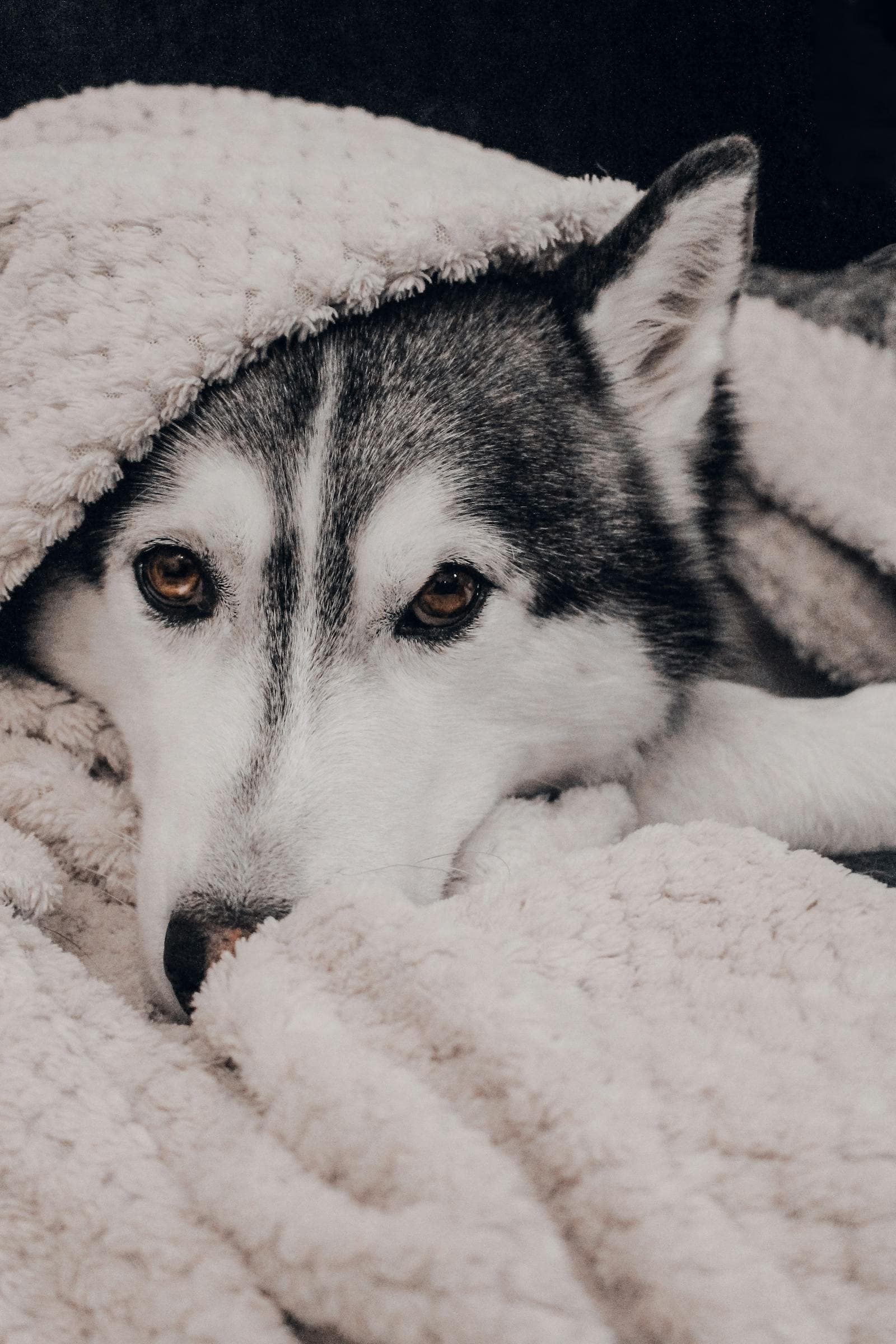
Moderate anxiety: Panting, pacing, seeking hiding spots, won't eat or drink during the storm. Recovers within an hour after the storm. Management strategies (below) usually work well.
Severe phobia: Destructive behavior, trying to escape the house or yard, uncontrolled elimination, shaking hours after the storm has ended, refusing food for the rest of the day. This is the level that often benefits from a veterinary consultation — and sometimes medication.
About 1 in 3 dogs has some degree of storm or firework phobia. Cats are less commonly affected but when they are, it tends to be severe hiding and food refusal rather than the visible panic dogs show.
Why Florida Is Especially Hard
A few reasons storm season hits Florida pets harder than pets in other parts of the country:
- Frequency. From May through September, we average 15+ thunder days per month in Pinellas County. Pets don't get time to recover between events.
- Intensity. Florida storms have more lightning per square mile than almost anywhere in the world. The pressure changes, static electricity, and sound are all more extreme.
- Overlap with fireworks. Memorial Day through July 4th puts fireworks on top of the thunderstorm pattern. Labor Day and New Year's Eve extend the season.
- Hurricane season. Even without a direct hit, a tropical system can mean two straight days of wind, rain, and barometric pressure changes that stress even normally calm pets.
What Actually Helps (Stuff That Works)
Build a Safe Space Before Storm Season Starts
The best storm prep happens on a sunny day in April. Identify a room in your home that:
- Has no windows, or heavy curtains that block flashes
- Is away from exterior walls if possible
- Is insulated enough to muffle thunder (closets, interior bathrooms, laundry rooms work well)
- Your pet already likes — don't force them into a new space during a storm
Put their bed, favorite blanket, a few toys, and a water bowl in there. Let them visit and eat treats there when no storm is happening. When the first storm of the season hits, they'll already associate the room with safety.
White Noise and Pressure
Both are well-studied for pet anxiety.
- White noise or calm music masks the thunder. A simple fan, a white noise machine, or classical music playing during storms reduces anxiety in most dogs.
- Pressure wraps (ThunderShirt is the most common brand) apply gentle constant pressure, which has a measurable calming effect in about two-thirds of dogs that try one. They work best when introduced on a calm day and worn occasionally before the first storm.
Do Not Do These Things
Some well-meaning advice actually makes things worse:
- Do not punish anxious behavior. Yelling at a shaking dog teaches them the storm AND you are scary.
- Do not force proximity. If your pet wants to hide, let them hide. Dragging them out to "face their fear" can escalate a moderate anxiety into a phobia.
- Do not over-reassure. Excessive petting, coddling, or emotional voice can inadvertently teach a pet that their panic is appropriate. The best approach is calm, normal behavior — acting like the storm isn't a big deal.
- Do not leave an anxious pet outside during a storm, ever. Destruction of property, self-injury, and escapes happen at dangerous rates.
Exercise Before Expected Storms
A tired pet handles stress better than a rested one. If the afternoon forecast looks rough, take a longer morning walk or play session. This is especially helpful for young dogs.
When to Talk to Us About Medication
For some pets, behavioral management isn't enough. If any of the following describe your pet, it's worth a conversation:
- Destructive behavior during storms (chewing furniture, clawing doors)
- Self-injury attempts (broken teeth, bloody paws from trying to escape)
- Panic that lasts hours after the storm ends
- Symptoms getting worse each year
- A pet that no longer eats, drinks, or uses the bathroom on storm days
Medication options have improved significantly over the last decade. We work with several approaches:
Short-acting medications given only on storm days — these are designed to take the edge off without sedating. Given about 30–60 minutes before an expected storm.
Long-term anxiety management for pets with severe daily anxiety (not just storm-triggered). These are less common but appropriate for some.
Calming supplements — over-the-counter options exist (L-theanine, alpha-casozepine, pheromone diffusers). Some pets respond well, some don't. We can help you pick and set expectations honestly.
What we don't prescribe without seeing the pet: sedation that knocks a pet out for the storm. That's not anxiety management — it's anxiety masking, and it can be risky depending on the dose and the pet.
Firework Night (July 4th, New Year's Eve)
Fireworks need their own plan because they're unpredictable — starting whenever a neighbor decides — and they're louder at closer range than most storms.
- Walk the dog before dark. Do not take them out during fireworks. Escape risk is very high.
- Double-check collars and ID tags. July 5th is the busiest day of the year at animal shelters — every year. Most lost pets are well-cared-for animals who panicked and ran.
- Update microchip info. If your pet is chipped but the registered phone number is from two moves ago, shelter staff can't reach you.
- Close windows and curtains. Muffles sound, removes visual triggers.
- Plan for medication ahead of time if your pet has a firework phobia. Don't call us at 8 PM on July 4th — call a week earlier so we can prepare and you have time to give the med before things start.
A Note for New Florida Residents
If your pet moved to Florida from somewhere with a milder storm climate, expect a learning curve. A dog that was unfazed by thunder in Michigan may develop phobia in Florida because the frequency and intensity are categorically different.
First-year Florida pets often need more support. That support usually decreases over the second and third years as they acclimate — but not always. If you're seeing phobia develop in a previously calm pet, we're happy to walk through options.
We're Here
Storm season is hard. Anxious pets are hard on the people who love them — the sleepless nights, the destroyed door frames, the guilt of watching a scared animal. We get it. Most of our staff has one of these pets at home.
Call us at (727) 327-5141 if you want to build a plan before the first big storm hits, if last summer was rough and you want to do it differently this year, or if July 4th is coming up and your pet needs something more than a ThunderShirt this time.
Sixty-three years of Florida summers have taught us: storm anxiety is manageable. You don't have to suffer through it, and neither does your pet.
Written by the Skyway Animal Hospital team. Skyway has served Pinellas County pet families since 1961.