
As summer sets in across St. Petersburg, Florida, the rising temperatures bring more than just sunny skies and beach days—they bring serious risks for our pets. Heatstroke is one of the most dangerous and fast-acting emergencies pets face during the warmer months. It can escalate quickly and lead to life-threatening complications, even after your pet has been moved to a cool environment.
Understanding Heatstroke in Pets
Heatstroke occurs when a pet's body temperature rises to dangerous levels (typically above 104°F) and they cannot cool down effectively. Unlike humans, dogs and cats don't sweat efficiently—they primarily cool themselves through panting and limited sweating through their paw pads.
Pets at Higher Risk
Some pets are more susceptible to heat-related illness:
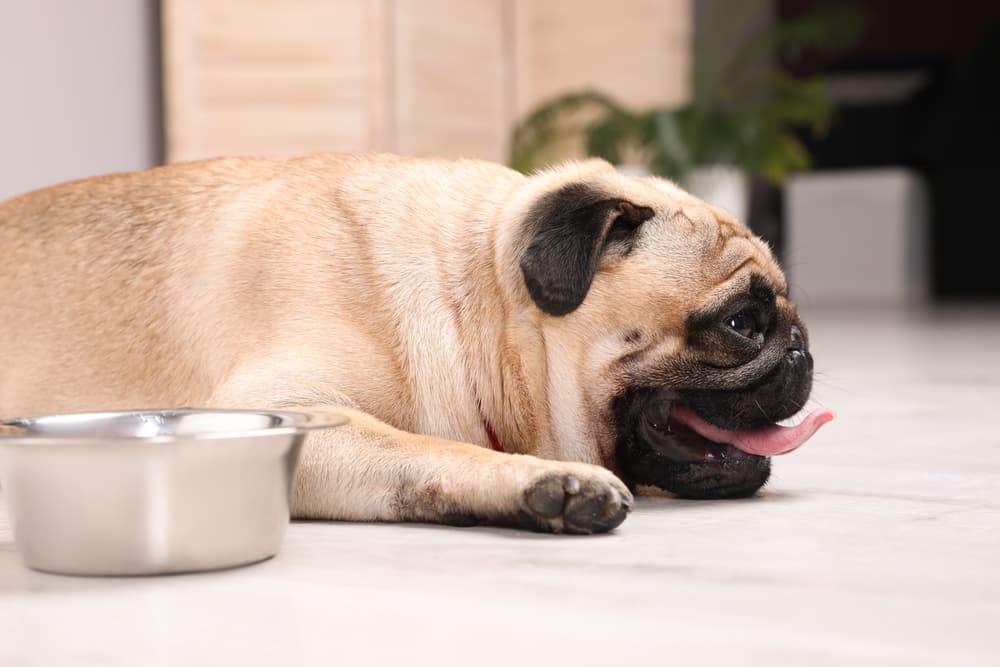
- Brachycephalic breeds (flat-faced): Bulldogs, Pugs, Persian cats, Boston Terriers
- Senior pets and very young animals
- Overweight pets
- Pets with heart or respiratory conditions
- Thick or dark-coated breeds
- Pets not acclimated to heat
Warning Signs of Heatstroke
Recognize these symptoms and act immediately:
Early Signs:
- Excessive panting or difficulty breathing
- Drooling more than usual
- Bright red tongue and gums
- Restlessness or anxiety
- Seeking shade or cool surfaces
Advanced Signs (Emergency):
- Vomiting or diarrhea
- Staggering or weakness
- Collapse or inability to stand
- Gums turning pale, gray, or blue
- Seizures
- Loss of consciousness
If you see advanced signs, this is a medical emergency. Begin cooling your pet and get to a veterinarian immediately.
What to Do If Your Pet Overheats
Immediate Cooling Steps
- Move to a cool area - Air conditioning, shade, or in front of a fan
- Apply cool (not cold) water - Focus on the neck, armpits, and groin area
- Use wet towels - Place on the body but replace frequently as they warm up
- Offer small amounts of water - Don't force them to drink
- Get to a vet immediately - Even if they seem to improve
Important: Do NOT use ice water or ice packs. Extreme cold causes blood vessels to constrict, which actually traps heat in the body's core and can make things worse.
Prevention: Keeping Your Pet Safe
Never Leave Pets in Parked Cars
Even on a 75°F day, a car's interior can reach 100°F within 10 minutes. On a 90°F day, it can exceed 120°F. Cracking windows does not provide adequate ventilation. This is the #1 cause of preventable heat-related pet deaths.
Time Outdoor Activities Wisely
- Walk early morning or evening when temperatures are cooler
- Check pavement temperature - If it's too hot for your hand, it's too hot for paws
- Keep walks short during peak heat hours (10am-4pm)
- Watch for signs of fatigue and take breaks
Provide Adequate Hydration and Shade
- Fresh water always available - Add ice cubes on hot days
- Multiple water stations if you have a large yard
- Shaded rest areas - Trees, tarps, or covered patios
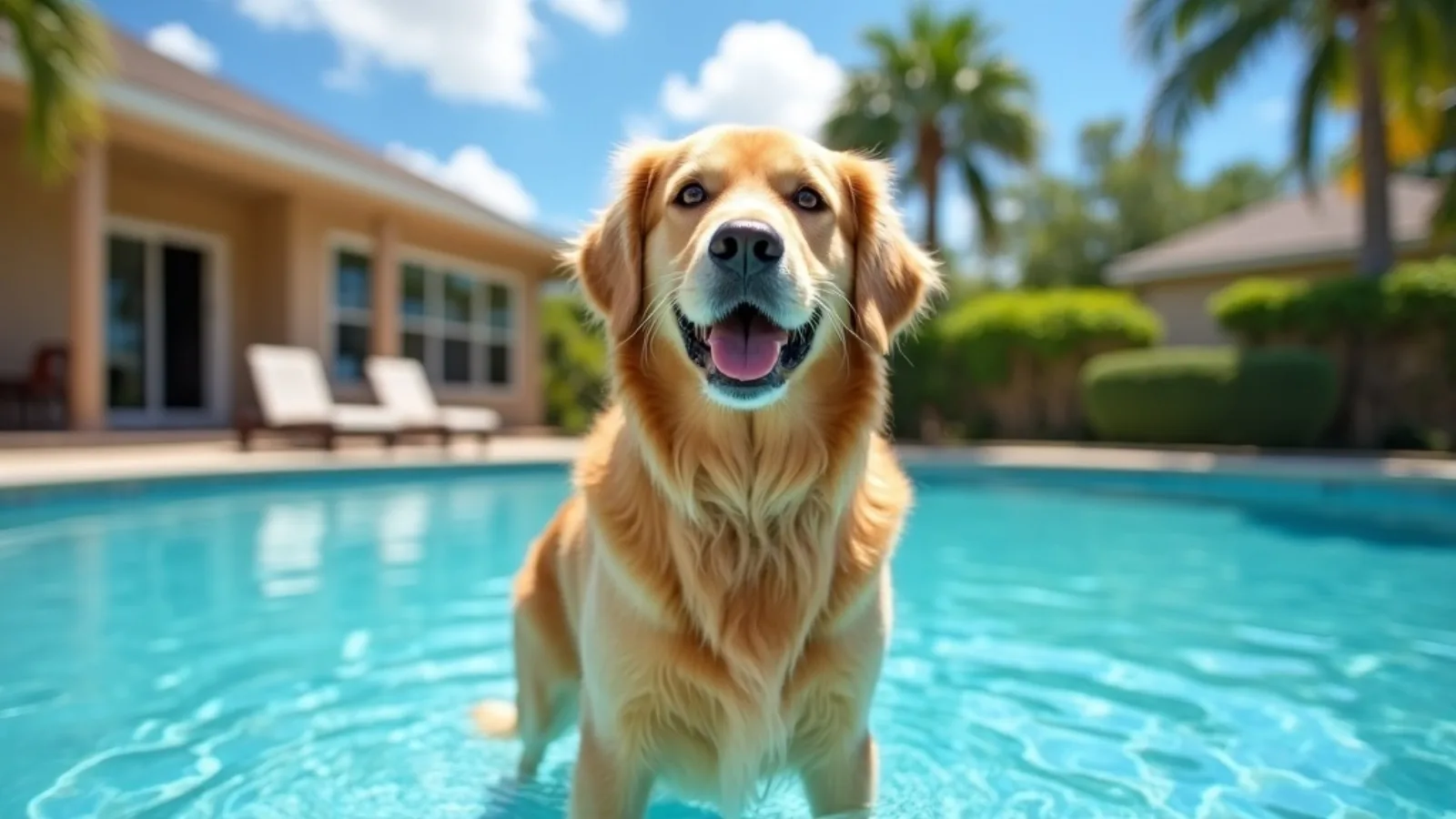
- Kiddie pools - Many dogs love a cool splash
Home Environment
- Air conditioning is safest during extreme heat
- Fans alone are not sufficient for pets
- Cool tile or elevated beds help pets regulate temperature
- Frozen treats like pet-safe popsicles or frozen Kongs
Grooming Considerations
- Regular brushing removes excess undercoat and improves air circulation
- Don't shave double-coated breeds - Their coat actually provides insulation and sun protection
- Keep fur trimmed but not too short - Some coat provides UV protection
Florida-Specific Considerations
Living in St. Petersburg means dealing with high humidity alongside high temperatures. Humidity makes it harder for pets to cool themselves through panting because the moisture in the air reduces evaporation. On humid days, be even more cautious:
- Reduce exercise intensity and duration
- Provide air-conditioned indoor breaks
- Watch for overheating even at moderate temperatures
- Be aware of hot sand at beaches and parks
When to Seek Veterinary Care
Contact us or seek emergency care if your pet:
- Shows any signs of heatstroke
- Has been in a hot car or environment
- Is panting excessively and cannot calm down
- Has vomited after heat exposure
- Seems disoriented or weak
- Has collapsed or had a seizure
Heatstroke can cause internal organ damage that isn't immediately visible. Even if your pet seems to recover after cooling down, a veterinary evaluation is recommended to check for complications.
Summer Safety Checklist
✓ Never leave pets in parked vehicles ✓ Walk during cooler hours ✓ Always have fresh water available ✓ Provide shade and cool resting areas ✓ Know the signs of heatstroke ✓ Have your vet's number and emergency clinic info handy ✓ Consider a cooling mat or vest for high-risk pets
Stay Cool, Stay Safe
Summer in Florida should be enjoyable for the whole family, including your four-legged members. With proper precautions and awareness, you can keep your pets safe while still enjoying outdoor activities together.
If you have questions about keeping your specific pet safe this summer, or if your pet has health conditions that increase their heat risk, contact us to discuss a personalized summer safety plan.
Heat-related emergencies can escalate quickly. If your pet is showing signs of heatstroke, contact our urgent care team immediately. Preventive wellness visits help ensure your pet is ready for Florida's heat. Request an appointment or call us at (727) 327-5141.
Skyway Animal Hospital 3258 5th Ave S, St. Petersburg, FL 33712 Phone: 727-327-5141
For after-hours emergencies, please contact your nearest 24-hour emergency veterinary hospital.