Back to School, Home Alone: Separation Anxiety in Florida Pets
Skyway Animal Hospital
Veterinary Team
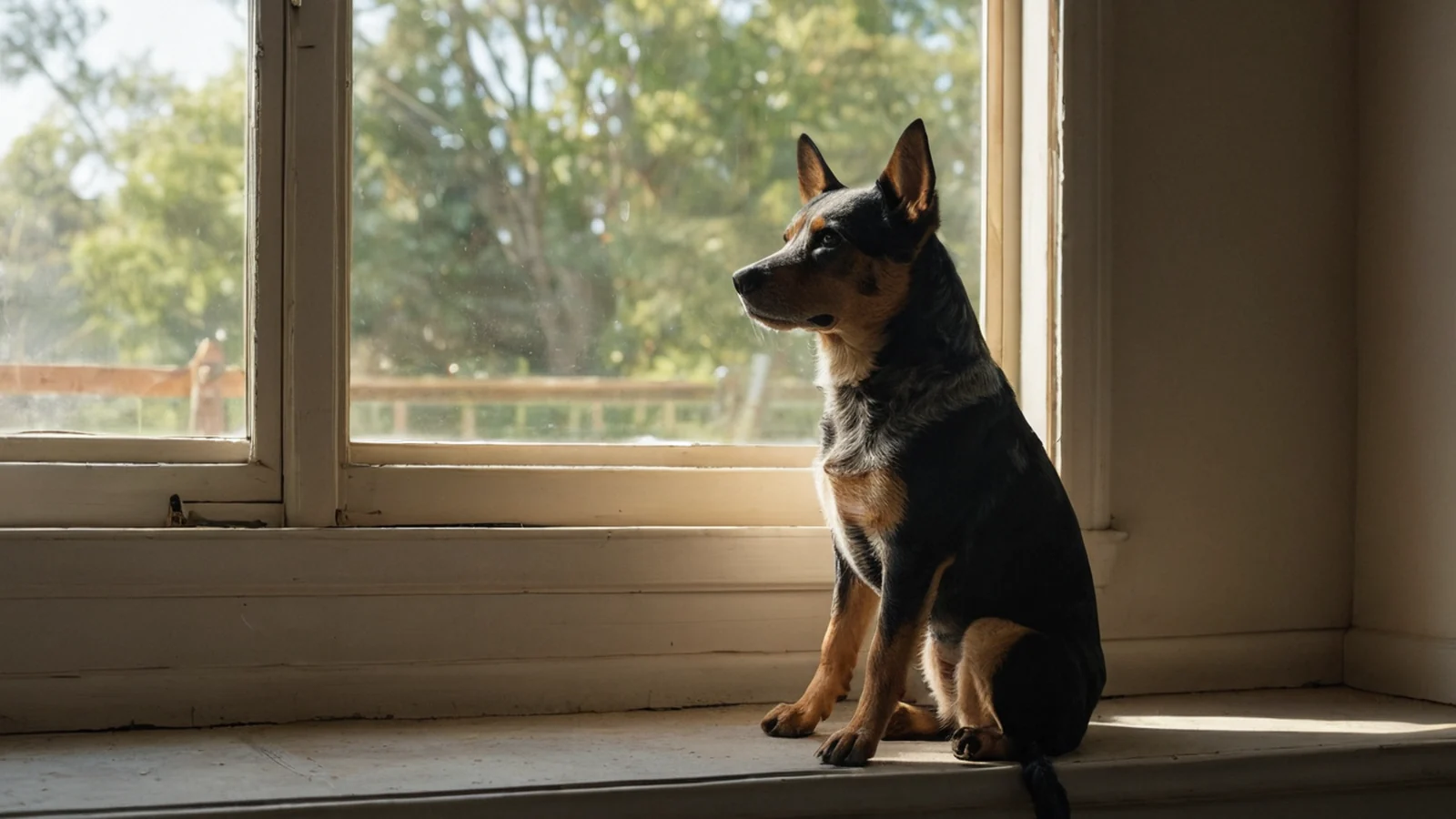
Every September we get the same calls, and they rarely arrive labeled as anxiety. A dog who's suddenly having accidents in a house he's been reliable in for years. A cat who's over-grooming a bald patch onto her flank. A neighbor's note about barking that goes on all morning. A crate door bent outward.
The common thread is that a household went from someone home constantly to an empty house from 7:30 to 3:00, and it happened over a single weekend.
Pets don't experience that as a schedule change. They experience it as the family disappearing.
Why the Transition Is Harsher Than It Looks
Summer in a house with kids is a lot of company — people in and out, doors opening, food on the floor, someone available at nearly all hours. For a social animal, that becomes the baseline within a few weeks.
Then one Monday it's gone, and it's gone abruptly and completely rather than tapering. There's no warning and no way to understand it as temporary. A dog left alone for the first time in ten weeks doesn't know anyone is coming back.
Puppies and kittens adopted over the summer have it worst. They've never known this house any other way. Their entire experience of home includes constant company, and the first day alone is a genuine shock rather than a return to normal.
Anxiety or Boredom? They Look Similar and Need Different Fixes
This distinction matters because the solutions diverge, and treating one as the other wastes months.
Boredom is opportunistic and unhurried. The destruction is centered on interesting objects — the trash, a shoe, a couch cushion. It happens at various points in the day. The pet greets you normally. They're relaxed when you're home and simply under-stimulated when you're not.
Separation anxiety is panic, and panic has a signature. The distress starts before you leave — during the shoes-and-keys routine — and peaks in the first fifteen to thirty minutes after the door closes. The damage concentrates at exits: door frames, window sills, the crate door. There's often drooling, pacing, or vocalizing that doesn't stop. Accidents happen in an otherwise house-trained pet. And the greeting when you return is frantic and prolonged rather than happy.
The tell that separates them most reliably is timing and location. Boredom is spread out and object-focused. Anxiety is front-loaded and exit-focused. A phone propped in the corner recording the first thirty minutes will usually answer the question definitively, and it's the most useful thing you can bring to an appointment.
Rule Out the Medical Explanation First
This is where a lot of well-meaning training advice goes wrong. Several medical problems present as what looks exactly like behavioral regression:
- Urinary tract infections and bladder stones cause house-soiling that has nothing to do with emotion
- Arthritis pain makes a dog restless, unable to settle, and reluctant to be crated
- Hyperthyroidism in cats causes vocalizing, agitation, and appetite changes
- Cognitive dysfunction in older pets produces night pacing, disorientation, and new-onset anxiety
- Declining hearing or vision makes a pet startle and cling in ways they never used to
A senior pet who develops separation anxiety for the first time at eleven years old is a medical workup until proven otherwise. New behavior in an old pet is a symptom, not a personality change.
What Actually Helps
- Make departures boring. No emotional goodbye, no big greeting for the first two minutes back. You're teaching them that the door is unremarkable.
- Decouple the cues. Pick up your keys and sit down. Put your shoes on and make coffee. Do this dozens of times until the pre-departure routine stops predicting anything.
- Practice short absences. Leave for two minutes. Then five. Build slowly, and don't jump to eight hours because a few short ones went fine.
- Exercise before you leave, not after. A dog walked at 6:45 AM in the cooler part of a Florida morning settles far better than one who's been holding it since dawn.
- Give them a job for the first thirty minutes. A frozen food-stuffed toy handed over as you leave targets exactly the window when panic peaks.
- Leave background noise. Talk radio or a television does more than silence.
- Stage the change when you can. If you know the schedule shifts on a Monday, start practicing two weeks out rather than the night before.
- Don't punish the damage. They can't connect it to something that happened hours earlier, and adding fear to panic makes it worse every time.
Frequently Asked Questions
Would getting a second pet fix it?
Usually not, and it's the most common expensive mistake here. True separation anxiety is about the absence of you, not the absence of company — dogs with severe cases panic just as hard with another dog in the room. There are exceptions, and some pets genuinely do better with a companion. But adding an animal to solve a behavior problem often produces two animals and the same problem.
Is medication a cop-out?
No, and this framing keeps a lot of pets suffering longer than they need to. A genuinely panicking animal cannot learn — the physiology of panic shuts down the part of the brain that behavior modification depends on. For moderate to severe cases, medication is what makes the training work rather than a replacement for it. Many pets taper off it once the new pattern is established. It's worth an honest conversation.
How long does it take to fix?
Mild cases often improve in two to four weeks with consistent handling. Severe cases are a months-long project and usually need a structured plan rather than tips. The single biggest predictor of success is starting early — anxiety that's been rehearsed for a year is much harder to unwind than anxiety caught in September.
Every fall this gets written off as a dog "acting out" over a schedule change, and most of the time it resolves. When it doesn't, it tends to escalate, and the ones we see at their worst are usually the ones that were tolerated for a year first.
If your pet has struggled since school started — or if the change came on suddenly in an older pet — call us at (727) 327-5141 and let's rule out the medical causes before treating it as behavior. Two more worth reading: tackling anxiety in pets and Florida storm season pet anxiety, since storm season and back-to-school overlap here in a way they don't most places.
Written by the Skyway Animal Hospital team. Skyway has served Pinellas County pet families since 1961.