The Vet Visit Nobody Books: Why Indoor Cats Still Need Annual Exams
Skyway Animal Hospital
Veterinary Team
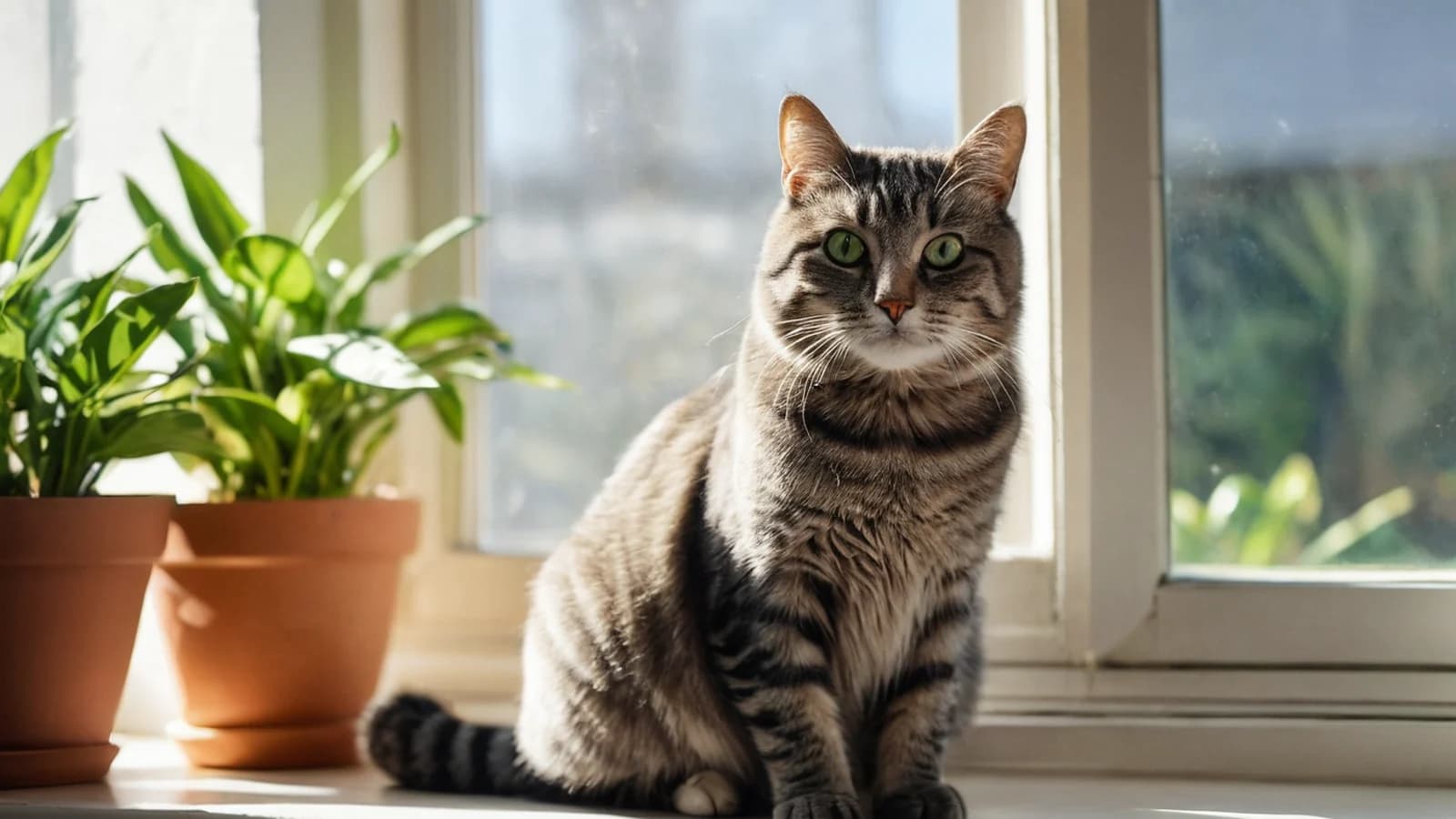
Cats in the United States see a veterinarian at roughly half the rate dogs do, and indoor-only cats are the least-seen of all. The reasoning is intuitive and almost entirely wrong: she never goes outside, she doesn't meet other animals, she seems fine, and the trip upsets both of you.
Every part of that is understandable. The conclusion still costs cats years.
Cats Are Built to Hide Illness
This is the whole problem in one sentence. In the wild, a small predator that also happens to be prey cannot afford to look weak. That instinct did not disappear when cats moved indoors, and it is remarkably effective — cats routinely conceal serious disease until they are physically unable to conceal it any longer.
Dogs tell you. They limp, they whine, they stop eating in a way you notice by dinnertime. Cats simply adjust. They sleep in a different spot that's easier to reach. They groom a little less. They eat slightly slower. Individually these look like a cat being a cat.
By the time an owner says "she just started acting sick two days ago," the underlying process is frequently months old. That's not a failure of attention — the changes are genuinely invisible from inside the house. What catches them is a scale, a stethoscope, and a chart from last year.
What an Exam Catches That You Can't
Weight change. The most valuable single number in feline medicine. A cat losing a pound over a year is a significant loss — often ten percent of body weight — and it's invisible day to day under fur, especially in a long-haired cat. Weight loss is the earliest sign of hyperthyroidism, kidney disease, diabetes, and cancer. A scale finds it. Your hands don't.
Dental disease. Extremely common and extremely hidden. Cats with painful resorptive lesions keep eating — they swallow food whole and chew on one side. Owners are consistently astonished at how much brighter a cat is after dental work, which tells you what was quietly being endured.
Kidney values. Chronic kidney disease is one of the leading causes of death in older cats, and it's manageable for years when caught early. By the time you see increased thirst and urination, roughly two-thirds of kidney function is already gone. Bloodwork finds it well before that.
Heart murmurs. Cats with heart disease often show nothing until they show everything. A murmur heard at a routine exam turns a catastrophe into a managed condition.
Thyroid, blood pressure, and subtle pain. Hyperthyroidism is common in older cats and looks like "she's just getting picky." Hypertension damages eyes and kidneys silently. And arthritis in cats — badly under-diagnosed, because cats don't limp, they just stop jumping onto the counter and everyone assumes they've mellowed.
But She Never Goes Outside
Indoor living removes some risks and none of the others. It doesn't prevent dental disease, kidney disease, hyperthyroidism, diabetes, heart disease, cancer, or arthritis — which together account for the overwhelming majority of what we treat in cats over eight.
Two Florida-specific notes worth knowing. Heartworm is transmitted by mosquitoes, and mosquitoes come inside — indoor cats do get heartworm, there is no treatment for it in cats, and prevention is the only option. And fleas arrive on people, on dogs, and through screens; a Pinellas house is not a sealed environment. We cover the broader picture in feline viral diseases every cat owner should know.
Making the Visit Survivable
Half the reason these appointments don't happen is that the carrier is a battle and the cat is miserable. That's fixable, and it makes a real difference to what we can actually assess.
- Leave the carrier out year-round, open, with a blanket in it. A carrier that only appears before a car ride becomes a warning signal.
- Feed treats in the carrier on ordinary days so it stops predicting anything.
- Spray it with feline pheromone spray thirty minutes before, not as you're loading.
- Cover the carrier with a towel in the car and in the lobby. Cats calm down when they can't see.
- Use a top-loading or removable-top carrier. Being poured out of a front door is far worse than being lifted out of an open top.
- Skip the meal beforehand if your cat gets carsick, and bring high-value treats.
- Ask about a pre-visit anxiety medication if your cat is genuinely panicked. It's routine, it's safe, and a calm cat gets a better exam.
- Book the quiet slots — first appointment of the morning is usually calmest.
Frequently Asked Questions
How often does an indoor cat really need to be seen?
Once a year through adulthood, and twice a year from about age seven to ten onward. That sounds like a lot until you consider that a year for a middle-aged cat is roughly four to six human years — an annual exam is the equivalent of a person seeing a doctor once every five years. Twice-yearly in seniors isn't excessive; it's the interval at which change is still catchable.
She's fifteen and hates the car. Is it worth stressing her out?
This comes up often and it deserves a real answer rather than a reflex. Fifteen is exactly when things are most findable and most treatable — kidney disease, hyperthyroidism, and hypertension are all manageable when caught, and all three are common at that age. The stress of one visit is genuinely small against months of untreated illness. Tell us she's difficult when you book and we'll plan around it, including pre-visit medication.
What if I can't afford full bloodwork every year?
Say so, and we'll prioritize. An exam and a weight check alone catch a surprising amount, and we can stage diagnostics based on what we find rather than running everything by default. The worst outcome is skipping the visit entirely because you're bracing for the full workup.
The cats who do best are almost never the ones with the most dramatic rescues. They're the ones whose weight loss got flagged at eleven instead of thirteen — an ordinary appointment that quietly changed how the next few years went.
If your cat hasn't been seen in over a year, call us at (727) 327-5141. Tell us if she's a difficult patient; we'd genuinely rather know in advance. Also worth reading: what a wellness exam actually covers and changes in your pet you shouldn't ignore.
Written by the Skyway Animal Hospital team. Skyway has served Pinellas County pet families since 1961.