What Happens at a Pet Wellness Exam (and Why Once a Year Matters)
Skyway Animal Hospital
Veterinary Team
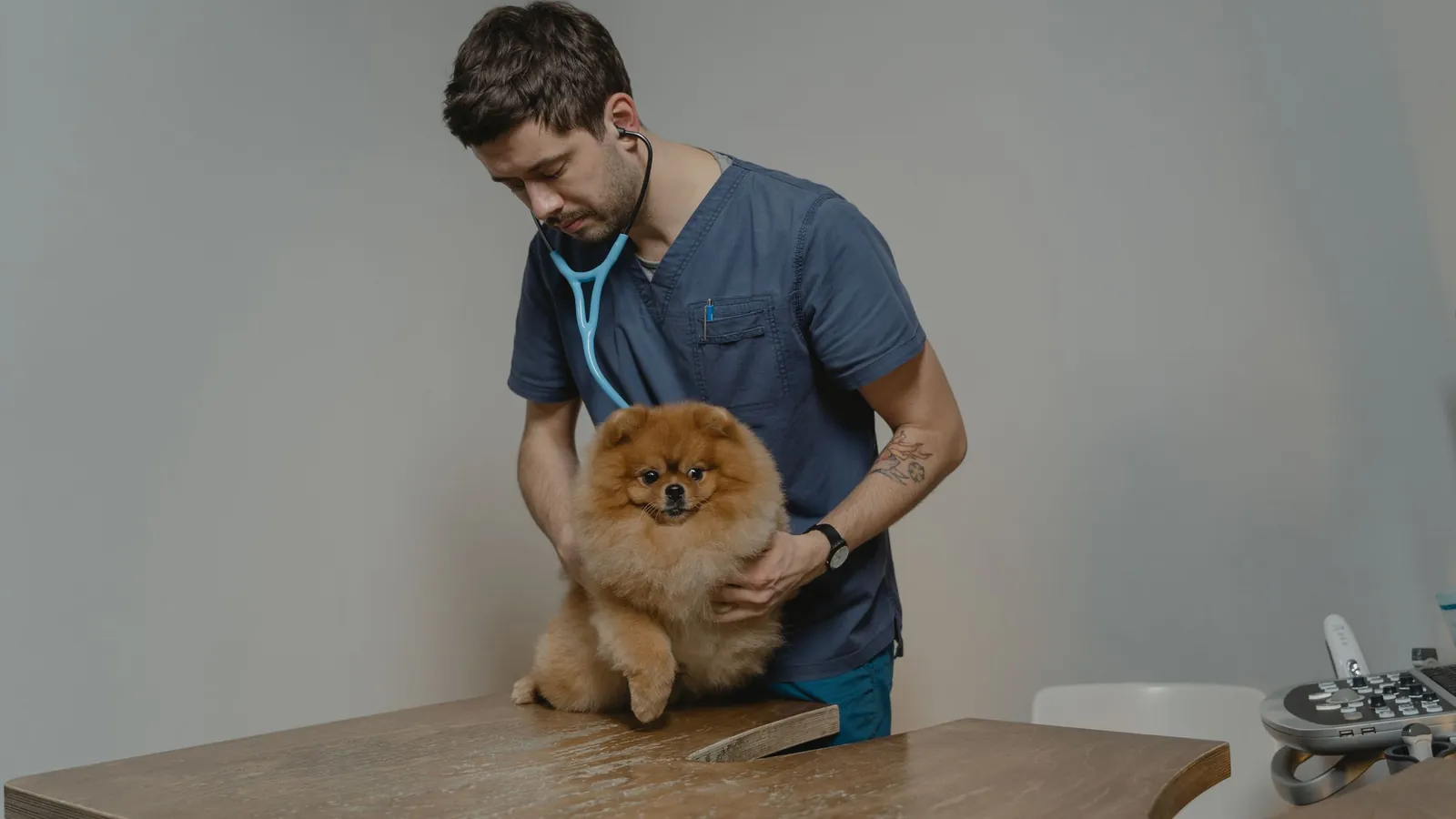
A pet wellness exam is a scheduled checkup for a dog or cat that isn't sick: a weigh-in and vital signs, a nose-to-tail exam by the veterinarian, a conversation about your pet's care plan, and any vaccines or parasite prevention that are due. At Skyway, a routine wellness exam takes about 20 to 30 minutes. Once a year is the minimum for a healthy adult pet, because a year is long enough for real change and short enough that the change is often still small when we find it.
October is Pet Wellness Month, a good nudge to book the visit that's easiest to put off. Here's what actually happens, so a first visit holds no surprises.
What Happens at a Wellness Exam, Step by Step
A wellness visit at Skyway runs in five parts, and each one has a specific job.
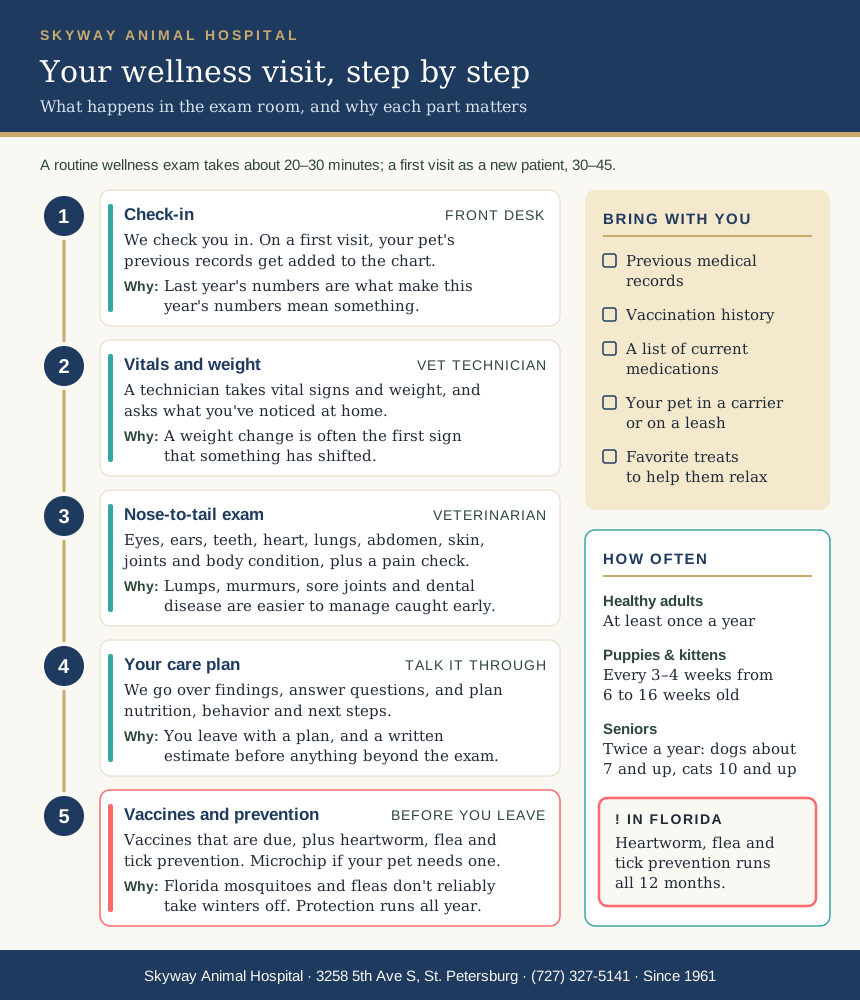
- Check-in. The front desk gets you settled. On a first visit, this is when your pet's previous records change hands, and they matter: a weight or a lab value means far more sitting next to last year's.
- Vitals and weight. A veterinary technician takes vital signs and weight and asks what you've noticed at home. Mention the small things. "He drinks more than he used to" changes what the doctor looks for next.
- The nose-to-tail exam. The veterinarian checks eyes, ears, teeth, heart, lungs, abdomen, skin, and joints, and scores body condition, a hands-on read of how much weight your pet carries for its frame. This is where a new lump, a heart murmur, or a stiff hip gets found, along with the dental check and a pain evaluation.
- Your pet's care plan. We go over what we found, answer your questions, and plan for nutrition, behavior, and anything that deserves a closer look. Anything beyond the exam comes with a written estimate first.
- Vaccines and prevention. Whatever is due is given before you leave, along with heartworm, flea, and tick prevention. Core vaccines are rabies and DHLPP for dogs and rabies and FVRCP for cats, plus Bordetella for dogs that board, see a groomer, or visit dog parks. Microchipping can happen at the same visit. It's quick and needs no anesthesia.
Why Once a Year Matters
A year is the longest gap the veterinary guidelines recommend between exams for a healthy adult pet, and it's plenty of time for something to change.
The AAHA-AVMA Preventive Healthcare Guidelines say all dogs and all cats should have a veterinary examination at least annually. The value is in the comparison. Three pounds on a 20-pound dog is 15 percent of its body weight, invisible day to day but obvious the moment last October's number sits beside it.
The yearly visit also keeps the calendar honest. Florida law requires rabies vaccination for dogs and cats from four months old, with a booster 12 months after the first shot and then on the vaccine manufacturer's schedule. In Pinellas County, your pet's license expires on the same date as its rabies vaccination, so one lapse means both. We track what's due and send reminders.
Once a year is the floor, not the rule for every pet:
- Puppies and kittens come in every three to four weeks from about 6 to 16 weeks old for their vaccine series. See puppy and kitten care.
- Senior pets do better with exams twice a year, from around age 7 for dogs and 10 for cats. See senior pet care.
- Teeth get checked at every wellness exam, but a cleaning is its own appointment under anesthesia. See dental care.
- Indoor cats need the yearly visit too, for reasons we covered in why indoor cats still need annual exams.
Why Florida Pets Need Parasite Protection All Year
In St. Pete, mosquitoes and fleas slow down in winter but don't reliably stop, so the prevention your pet leaves with has to cover all twelve months.
Florida's mosquito season runs with the rainy season, May through October, according to UF/IFAS Extension in Pinellas County. But the Florida Department of Health notes that mosquitoes and other biting pests in Florida may be active year-round. Heartworm travels by mosquito, so a quiet January is not a safe January.
Fleas follow suit. University of Florida entomologists found cat flea larvae surviving outdoors all year in north-central Florida, where winters run colder than ours, and doing best from September through November. For a flea, October is prime time.
Hence the American Heartworm Society's advice: think 12. Test every 12 months, and give heartworm prevention 12 months a year. Dogs on prevention still get tested annually, because one missed dose or a pill spit out behind the couch can leave a gap nobody noticed. Cats have no approved heartworm treatment, so prevention is the whole plan. The Companion Animal Parasite Council recommends year-round control of heartworm, intestinal parasites, fleas, and ticks for dogs and cats. Florida's climate just removes the temptation to argue.
Your Wellness Visit Checklist
A few minutes of preparation makes the visit faster for you and easier on your pet.
- Bring previous medical records, or give us your old vet's name and phone number and we'll request them with your authorization.
- Bring vaccination history, including your pet's latest rabies certificate.
- List every medication, including heartworm, flea, and tick products and the date of the last dose.
- Bring cats in a carrier and dogs on a leash, even the easygoing ones.
- Pack favorite treats. A good snack buys a lot of cooperation on the scale.
- Note any changes you've seen in appetite, thirst, energy, coughing, scratching, or bathroom and litter box habits.
- Know how you'll pay. Payment is due at the time of service. We take cash, major credit and debit cards, and CareCredit, and we accept all pet insurance plans, with a detailed invoice for your claim.
Frequently Asked Questions
How long does a pet wellness exam take?
A routine wellness exam at Skyway takes about 20 to 30 minutes. A first visit as a new patient runs 30 to 45 minutes, since we're building your pet's history from scratch. You're welcome to stay with your pet for most appointments.
What's the difference between a wellness exam and a sick visit?
A wellness exam is scheduled while your pet is healthy, and a sick visit is for a specific problem happening now. If your pet is sick during business hours, call (727) 327-5141 and we'll do our very best to fit you in the same day. After hours, VEG St. Petersburg at (727) 456-8323 is open 24/7.
How much does a wellness exam cost in St. Petersburg?
It depends on what your pet is due for that year, so we quote it by phone rather than post one number. A year with nothing due looks different from one with a rabies booster, a heartworm test, and new prevention. Call (727) 327-5141 for current pricing, and ask for a written estimate on anything beyond the exam.
Most of what a wellness exam finds is small, and that's the point. A weight trend caught this October is a diet change. The same trend caught two years from now is a workup.
If your dog or cat is due, or you can't remember the last visit, call us at (727) 327-5141. Two more worth reading: protecting your pet from heartworm in Florida and how to score your pet's body condition at home.
Written by the Skyway Animal Hospital team. Skyway has served Pinellas County pet families since 1961.