

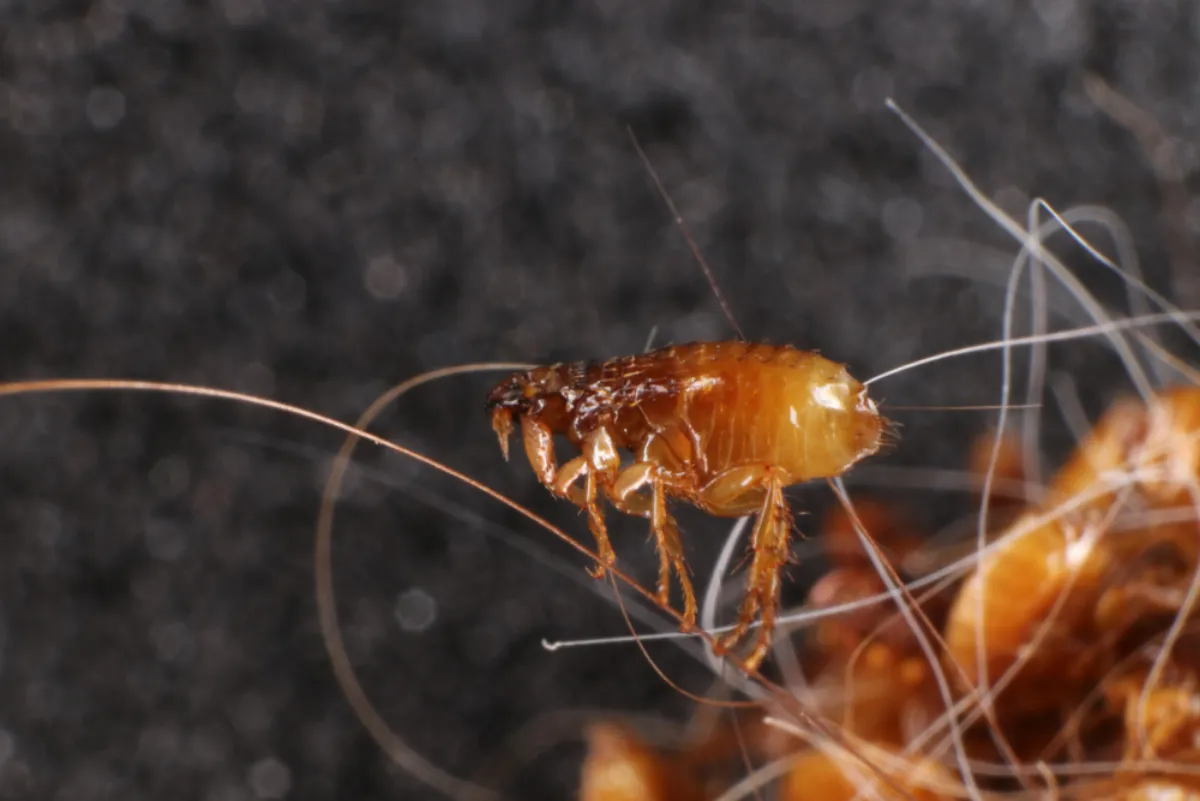
Newcomers who ask, "When is flea and tick season in Florida?" may be surprised to hear that there's no such thing. These parasites are present throughout the year, making life miserable for dogs and cats. More than an itchy inconvenience, fleas and ticks can sicken your pet and transmit diseases to you, too.
These parasites are most active in spring and summer. So, if you haven't already brought your pet in for testing and preventive medication, visit our Skyway Animal Hospital team soon. Learn about the diseases fleas and ticks transmit and how to protect your cat or dog from these pests.
Diseases fleas transmit to pets
Fleas may be tiny but they can transmit a severe disease if they bite your cat or dog. Fleas can spread the following diseases:
- Murine (flea-borne) typhus — Fortunately, this disease usually does not make dogs or cats ill. However, an infected cat can transmit murine typhus to people, who do become ill.
- Bartonellosis (cat scratch disease) — This disease can spread through a single flea bite if the parasite is infected with Bartonella bacteria. You or your pet can also contract bartonellosis if you get a scratch from another pet or wild animal infected with this disease.
- Mycoplasma haemofelis in cats and haemocanis in dogs — These parasitic bacterial diseases are transmitted when fleas bite your pet, infecting their red blood cells. Anemia can result in cats and dogs.
- Plague — If not treated promptly with antibiotics, this terrible disease can cause serious illness or death. Dogs are less susceptible to plague than cats.
- Tapeworms — A pet who swallows an infected flea, often when grooming, can acquire these parasites.
- Flea allergy dermatitis (FAD) — This extremely itchy condition is an allergic reaction to a protein in flea saliva, which they transmit to pets when they bite them.
- Anemia — The blood loss a severe flea infestation can cause can make small kittens and puppies seriously anemic, and they may die.
Diseases ticks transmit to pets
Tick-borne diseases that can infect dogs, cats, and people include:
- Lyme disease — Dogs can become seriously ill with this disease that causes lameness, joint swelling and pain, fatigue, and appetite loss. Lyme disease can progress to kidney disease, which can be fatal.
- Canine ehrlichiosis — This tick-borne disease's signs include fever, poor appetite, weight loss, and low blood platelets that cause bleeding disorders.
- Cytauxzoonosis — If a lone star tick bites your cat, they can develop this severe and sometimes fatal disease.
- Rocky Mountain spotted fever (RMSF) — Fleas as well as ticks carry this disease that can infect dogs and occasionally cats. RMSF causes joint and abdominal pain, fever, coughing, swollen face and legs, and poor appetite.
- Anaplasmosis — The black-legged tick carries the bacterium that causes this disease in dogs.
- Babesiosis — Bites from multiple tick species can infect a dog with this disease that breaks down red blood cells.
Prevention requires annual veterinary testing and medication
Since fleas and ticks can seriously harm your pet's health, testing for flea- and tick-borne diseases is included in their annual wellness visit. The Companion Animal Parasite Council (CAPC) recommends year-round prevention for all pets. Once our veterinarian has examined your dog or cat, they can recommend the best preventive medication for your pet. Preventives come in several formulations, including:
- Injectable medication — A 12-month injection for your dog or a 6-month shot for your cat is the most foolproof way to protect pets.
- Topical treatments — Liquids that you apply directly to your pet's skin in places they cannot reach.
- Oral medications — Flavorful, chewable tablets or pills that kill fleas and ticks when they suck your pet's blood.
- Collars — Worn around your pet's neck, these slowly release ingredients that kill and repel fleas and ticks.
Flea prevention is preferable to having to eradicate them because eliminating a flea infestation is extremely difficult. Contact our Skyway Animal Hospital team for more information about keeping your pet flea- and tick-free.
Trusted Resources
At Skyway Animal Hospital, we provide comprehensive wellness care for pets in St. Petersburg. Request an appointment or call us at (727) 327-5141.