Why Is My Pet Limping? Diagnostic Solutions for Concerned Pet Parents

Dr. Dan Jones
Medical Director, DVM
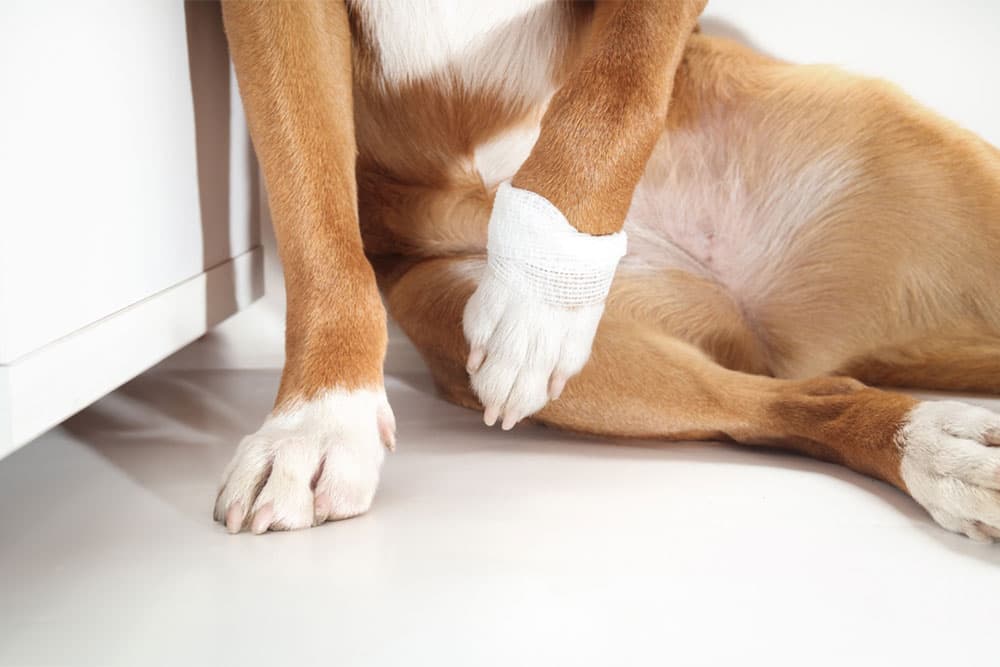
Seeing your beloved pet limping can be alarming. Whether they're favoring a leg, refusing to put weight on a paw, or moving more slowly than usual, limping (also called lameness) is a clear sign that something isn't right.
At Skyway Animal Hospital, we understand your concern. This guide will help you understand common causes of limping, when to seek veterinary care, and how we diagnose and treat lameness in pets.
Understanding Limping in Pets
Limping occurs when your pet experiences pain, weakness, or mechanical dysfunction in one or more limbs. The severity can range from a subtle gait change to complete inability to bear weight.
Types of Limping
- Weight-bearing lameness — Your pet still uses the leg but clearly favors it
- Non-weight-bearing lameness — Your pet holds the leg up and refuses to put any weight on it
- Intermittent lameness — The limp comes and goes
- Progressive lameness — The limp gradually worsens over time
Common Causes of Limping
Injuries
- Soft tissue injuries — Sprains, strains, muscle pulls
- Cuts or wounds — Especially on paw pads
- Foreign objects — Thorns, glass, or burrs stuck in paws
- Broken nails — Can be extremely painful
- Fractures — Broken bones from trauma
- Dislocations — Joint displacement
Joint Problems
- Arthritis — Degenerative joint disease, common in older pets
- Hip dysplasia — Genetic condition affecting joint development
- Luxating patella — Kneecap that slips out of place
- Ligament injuries — ACL (CCL in dogs) tears are common
Bone Conditions
- Bone infections (osteomyelitis) — Can follow injuries or surgery
- Bone tumors — More common in large breed dogs
- Panosteitis — "Growing pains" in young dogs
- Hypertrophic osteodystrophy — Affects young, rapidly growing puppies
Paw Problems
- Burns — From hot pavement (common in Florida summers)
- Cracked or torn paw pads — From rough surfaces
- Interdigital cysts — Painful bumps between toes
- Nail problems — Overgrown, broken, or infected nails
Neurological Causes
- Spinal problems — Disc disease, nerve compression
- Nerve injuries — Can cause weakness or dragging of limbs
When to Seek Immediate Care
Some limping requires urgent veterinary attention:
- Obvious bone fracture or deformity
- Severe swelling
- Complete inability to bear weight
- Signs of extreme pain (crying, aggression when touched)
- Limping after a known trauma (hit by car, fall)
- Visible wound or bleeding
- Sudden onset in both rear legs (possible spinal issue)
- Limping combined with fever or lethargy
For any limping that lasts more than 24-48 hours or appears to be worsening, schedule an appointment with us.
How We Diagnose Limping
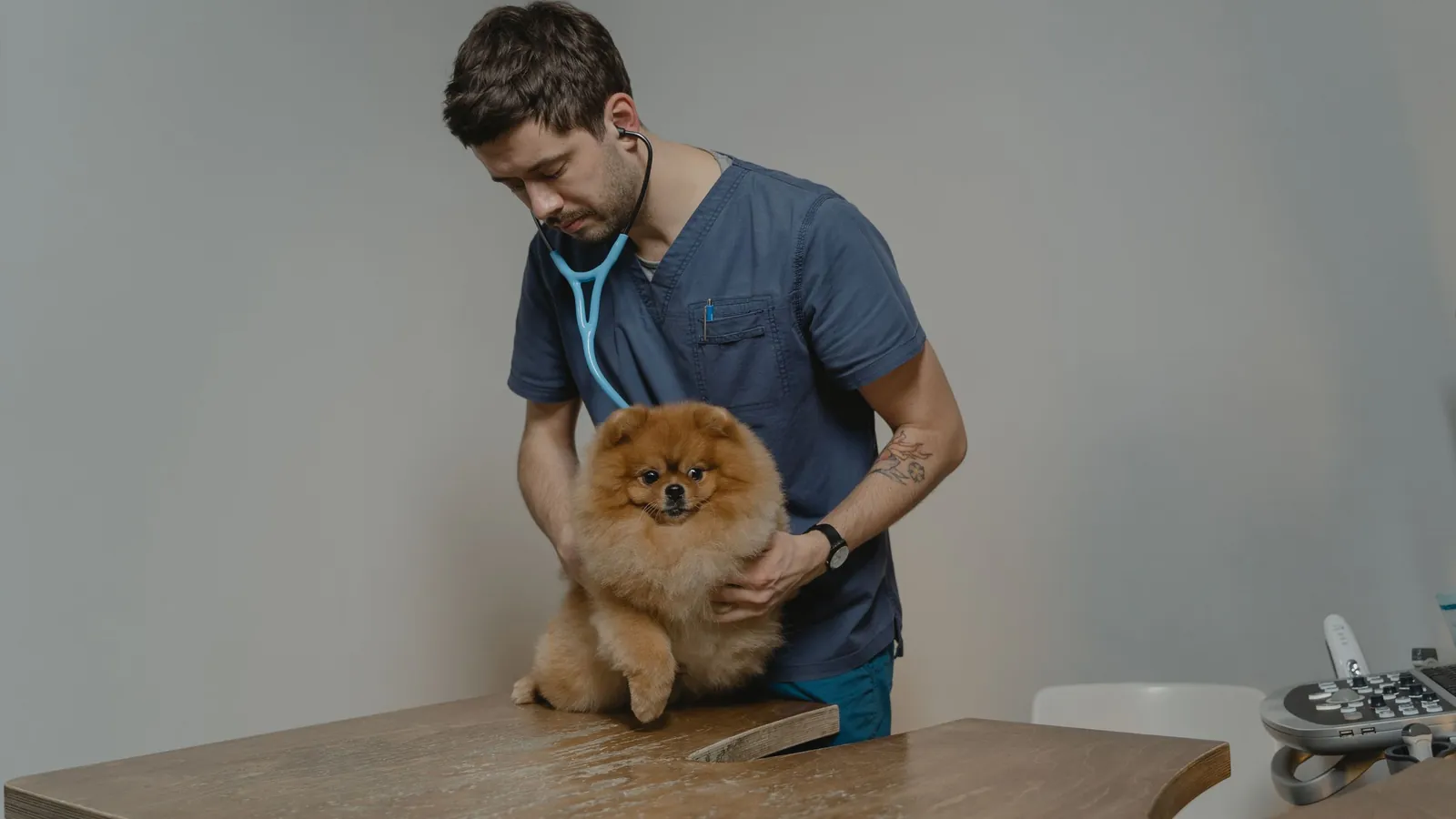
Physical Examination
Our thorough examination includes:
- Observing your pet's gait
- Palpating (feeling) joints, bones, and muscles
- Testing range of motion
- Checking for pain responses
- Examining paws, nails, and paw pads
- Neurological assessment if indicated
Diagnostic Imaging
Our Diagnostics services may include:
- X-rays (radiographs) — Reveal fractures, arthritis, bone tumors, and some joint problems
- Ultrasound — Helpful for soft tissue injuries
- CT scan or MRI — For complex cases requiring detailed imaging (referral)
Additional Tests
- Joint fluid analysis — Can identify infection or immune-mediated conditions
- Blood work — Rules out systemic illness affecting the joints
- Biopsy — If a tumor is suspected
Treatment Options
Treatment depends entirely on the underlying cause.
Conservative Management
For minor injuries and some chronic conditions:
- Rest and activity restriction
- Anti-inflammatory medications
- Pain management
- Physical therapy
- Weight management
- Joint supplements
Medical Treatment
- Prescription medications for arthritis
- Antibiotics for infections
- Disease-modifying osteoarthritis drugs
Surgical Treatment
Some conditions require surgery:
- Fracture repair
- Ligament surgery (ACL/CCL)
- Luxating patella correction
- Joint replacement
- Tumor removal
Home Care Tips
While waiting for your veterinary appointment:
- Rest your pet — Limit activity and prevent jumping
- Check the paws — Look for cuts, foreign objects, or nail problems
- Don't give human medications — Many are toxic to pets
- Use a leash — Even in your yard, to prevent further injury
- Note when it started — And any activities that preceded the limping
- Observe patterns — Is it worse after rest? After activity? In the morning?
Preventing Limping
While not all causes are preventable, you can reduce risk:
- Maintain a healthy weight to reduce joint stress
- Provide appropriate exercise for your pet's age and breed
- Keep nails trimmed
- Avoid hot pavement in summer
- Use joint supplements as recommended for at-risk breeds
- Schedule regular wellness exams to catch problems early
Don't Wait to Get Help
Limping is never normal. While some causes are minor, others can worsen significantly without treatment. Early diagnosis often leads to better outcomes and may prevent a temporary problem from becoming a chronic one.
If your pet is limping, contact us to schedule an examination. We're here to help your furry friend get back on their feet.
Skyway Animal Hospital
3258 5th Ave S, St. Petersburg, FL 33712
Phone: 727-327-5141