Flat-Faced Breeds and the Florida Heat: A Survival Guide for Frenchies, Bulldogs & Pugs
Skyway Animal Hospital
Veterinary Team
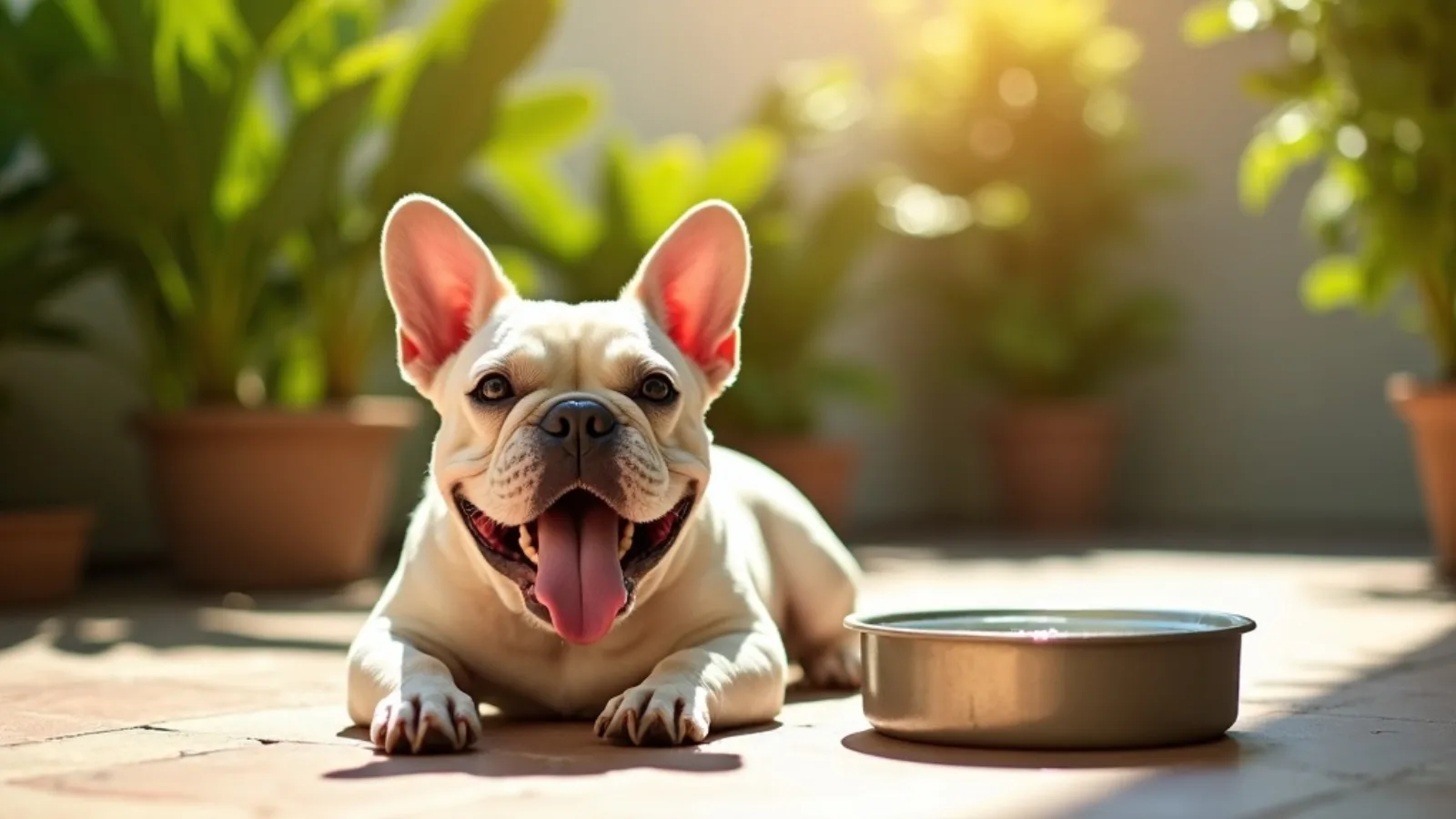
French Bulldogs are one of the most popular breeds in St. Petersburg right now, and it's easy to see why — they're affectionate, funny, and perfectly sized for apartment and beach-town living. But there's one thing every Frenchie, Pug, and Bulldog owner in Pinellas County needs to understand before July arrives: these breeds are built in a way that makes Florida summer genuinely dangerous for them.
After sixty-three years of treating St. Pete pets, the pattern is one of the most predictable things we see. When the heat index climbs, the flat-faced breeds are the ones who end up in the emergency room. The good news is that nearly every one of those visits was preventable.
Why Flat-Faced Breeds Overheat So Easily
The technical word is brachycephalic — "short-headed." It describes breeds bred for a flat face and a short muzzle: French Bulldogs, English Bulldogs, Pugs, Boston Terriers, Boxers, Shih Tzus, and on the cat side, Persians and Himalayans.
Here's the part that matters in a Florida summer. Dogs don't sweat to cool down — they pant. Panting moves air across the moist surfaces of a long nasal passage and throat, and the evaporation carries heat away. A flat-faced dog has all the same internal anatomy crammed into a much shorter space: narrowed nostrils, an elongated soft palate, a smaller windpipe. Their cooling system is working through a straw.
On a mild day up north, that's manageable. In St. Pete in June — 90°F air, 70% humidity, and a heat index well over 100°F — it can fail fast. High humidity is the hidden multiplier: when the air is already saturated with moisture, evaporative cooling barely works at all. That's why a Florida 88°F day can be more dangerous for a Frenchie than a dry 95°F day in Arizona.
Many of these dogs also have some degree of Brachycephalic Obstructive Airway Syndrome (BOAS) — the collection of airway restrictions that causes the snorting and snoring owners often think is "just a Bulldog thing." It's charming until the day the dog needs to move a lot of air quickly and can't.
The Warning Signs of Overheating
Heatstroke moves quickly in these breeds. Learn these signs and act at the first one — don't wait to see if it passes:
- Panting that's frantic, loud, or doesn't slow down with rest in the shade
- Bright red gums or tongue (and in advanced cases, pale, gray, or bluish — a true emergency)
- Thick, ropey drool more than normal
- A tongue that looks wider and longer than usual, hanging far out
- Stumbling, weakness, or wobbliness
- Vomiting or diarrhea
- Glazed eyes or disorientation
- Collapse
If you see the advanced signs — bluish gums, collapse, disorientation — get to a vet immediately and call us on the way at (727) 327-5141. Move the dog into air conditioning, wet them with cool (not ice-cold) water, especially the belly and paws, and get going.
How to Keep a Flat-Faced Pet Safe All Summer
You don't have to keep your Frenchie in a bubble. You just have to respect the heat.
- Walk early and late only. Before 8 a.m. and after sunset. Midday walks in June and July are off the table for these breeds. If you must go out, keep it to a quick bathroom break in the shade.
- Do the pavement test. Press the back of your hand to the sidewalk for five seconds. If you can't hold it, it's burning their paws — and radiating heat straight up at a low-to-the-ground dog.
- Air conditioning is not optional. These are indoor dogs in Florida summer, full stop. A Bulldog left in a backyard or a hot garage for an afternoon can be a tragedy.
- Never leave them in the car. Not for a minute, not with the windows cracked. A car at 80°F outside hits 99°F in ten minutes. For a brachycephalic dog, that's lethal.
- Keep water everywhere, and consider a cooling mat or a shallow kiddie pool in the shade for backyard time.
- Manage weight. Extra pounds make airway and heat problems dramatically worse. A lean Frenchie tolerates summer far better than a chunky one.
- Skip the strenuous play in the heat. Fetch and zoomies in the yard at 2 p.m. is exactly how a fun afternoon turns into an ER visit.
Know Your Breed's Baseline
Because these breeds hide trouble until it's serious, it helps to know what's normal for your dog. If your Frenchie's snoring suddenly gets louder, if exercise tolerance drops, or if you hear new raspy breathing, those can be signs that the airway is struggling — and worth a visit before summer peaks. For a fuller look at the breed, see our guide to caring for a French Bulldog.
And if you're still choosing a dog for the Florida lifestyle, it's worth understanding which breeds handle the climate well — we cover that in the best dog breeds for Florida.
When to Bring Them In
Call us at (727) 327-5141 if you notice:
- Any of the heatstroke warning signs above — even mild ones, even if they seem to recover
- New or worsening snorting, snoring, or noisy breathing
- Reduced tolerance for short walks or play
- Gums that aren't a healthy pink
A pre-summer airway and wellness check is one of the smartest things a Bulldog or Frenchie owner in St. Pete can do. We can assess the airway, talk through your dog's specific risk, and in some cases discuss surgical options that meaningfully improve breathing and heat tolerance. The American Veterinary Medical Association has helpful guidance on recognizing heatstroke, too.
If your flat-faced dog also struggles with summer storms or fireworks, our July 4th fireworks prep plan is worth a read before the holiday.
Frequently Asked Questions
Are French Bulldogs safe to own in Florida?
Yes — thousands of Frenchies live happily in St. Pete. The key is respecting the heat: keep them in air conditioning, walk only in the early morning and evening, and never leave them outside or in a parked car. With those habits, the Florida lifestyle suits them well.
What temperature is too hot for a flat-faced dog?
There's no single cutoff, because humidity matters as much as the thermometer. In Florida, a humid 88°F day can be more dangerous than a dry 95°F day. As a rule of thumb, when the heat index climbs above 90°F, keep brachycephalic breeds indoors and limit outdoor time to quick, shaded bathroom breaks.
How do I know if my Frenchie is overheating?
Watch for frantic panting that won't slow with rest, bright-red gums, thick ropey drool, a tongue hanging wider and longer than usual, stumbling, or disorientation. Any of these means cool them down and call us at (727) 327-5141 right away.
These breeds give so much personality in such a small package. A little extra caution through the Florida summer is all it takes to keep them snoring happily on the cool tile for years to come.
Written by the Skyway Animal Hospital team. Skyway has served Pinellas County pet families since 1961.