Summer Water Dangers for Florida Pets: Pools, Beaches, Leptospirosis & Algae
Skyway Animal Hospital
Veterinary Team
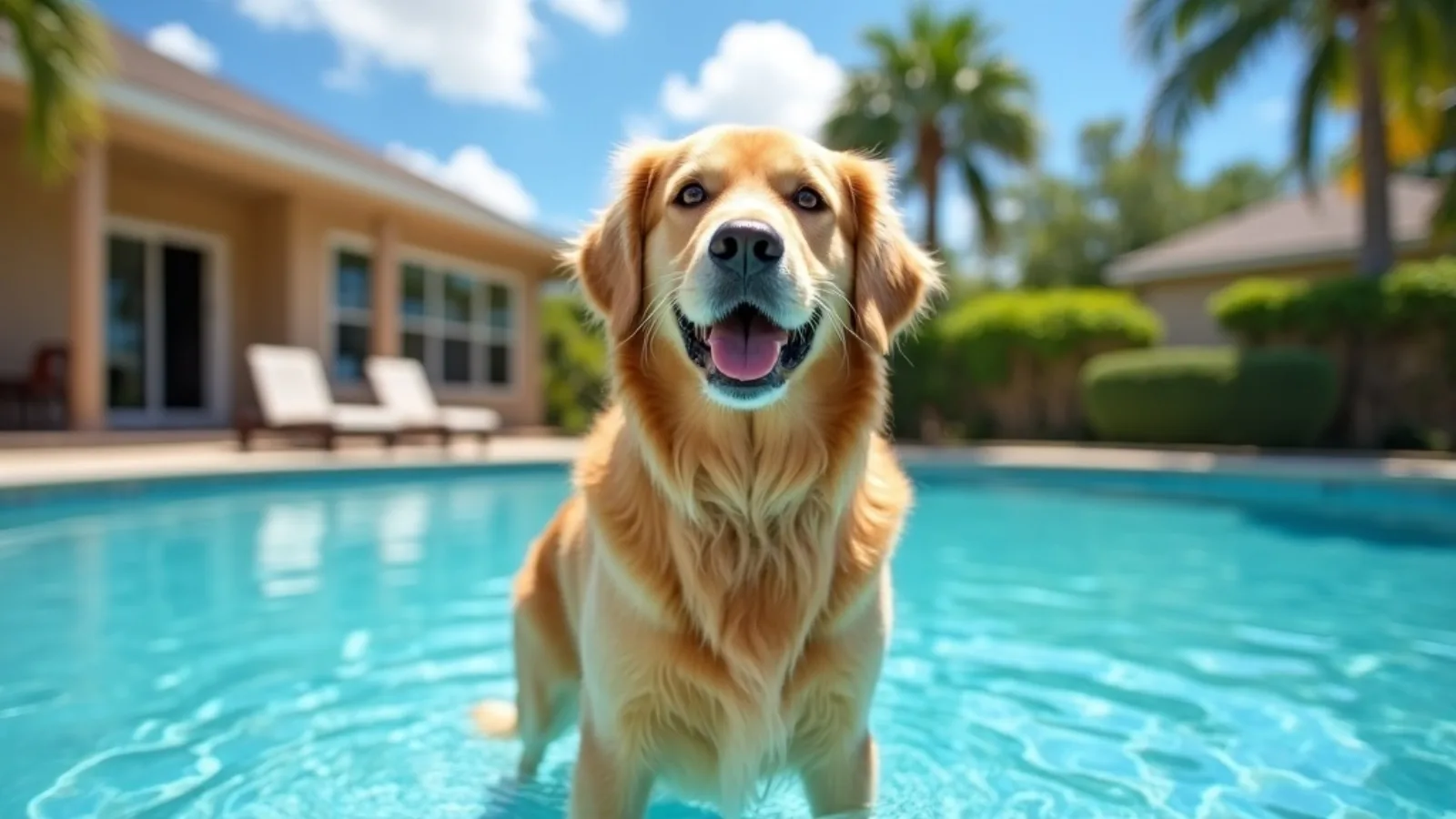
Water is the best part of a St. Pete summer — the pool, the Gulf, Fort De Soto, an afternoon on the boat. Our pets love it as much as we do. But water carries a set of risks that catch even careful owners off guard, and a few of them are genuine emergencies that move fast.
After sixty-three years in Pinellas County, we've seen the whole range, from the obvious to the surprising. Here's what every St. Pete pet family should know before spending the summer around the water.
Pool Safety: It's the Exit, Not the Entry
Most people assume every dog can swim. Many can't — and even the ones who can will drown if they can't find the way out.
- Not every dog is a swimmer. Bulldogs, French Bulldogs, Dachshunds, and many short-legged or heavy-chested breeds sink rather than paddle. Never assume.
- Teach the exit. The single most important pool-safety habit: physically show your dog where the steps are, from inside the pool, every time for the first several visits. A dog who panics looking for the edge tires and goes under — quietly. Drowning pets don't splash and bark; they just slip beneath the surface.
- Pool covers are a trap. A pet can fall onto a cover, get tangled or pulled under, and be unable to climb out. Treat a covered pool as off-limits, not safe.
- Rinse after swimming. Chlorinated and salt-system pool water dries out skin and coat, and dogs that swallow a lot of it can get an upset stomach.
- Supervise, always. A fenced pool and direct supervision are the only real safeguards for a pet who isn't a confirmed strong swimmer.
The Beach and the Gulf: Saltwater Is Its Own Emergency
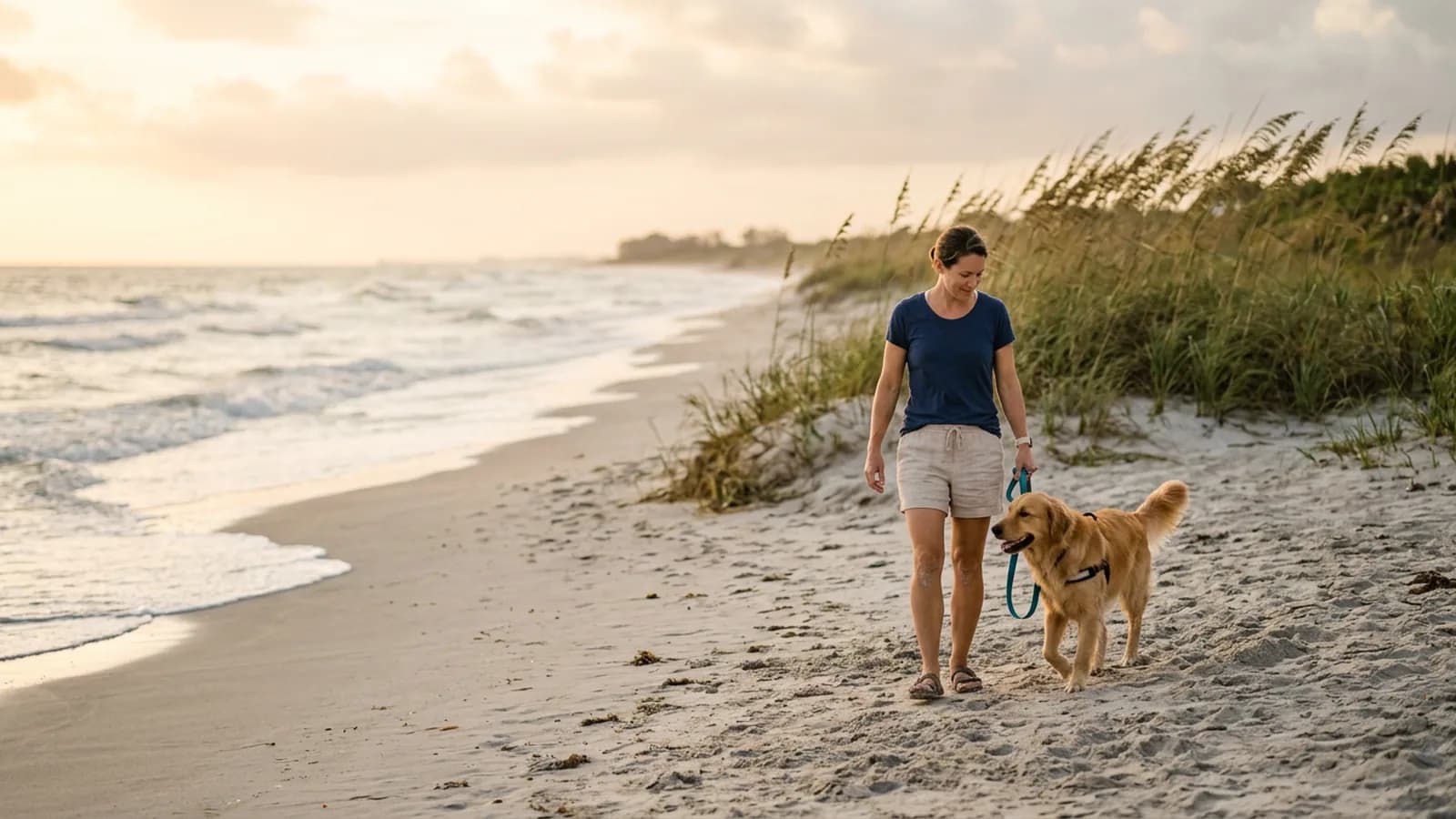
St. Pete Beach, Pass-a-Grille, and Fort De Soto are some of the best dog-friendly spots in the country — and they come with hazards worth respecting.
- Saltwater toxicosis. A dog that drinks ocean water while panting and playing can take in dangerous amounts of salt. It pulls fluid into the gut and bloodstream and can cause vomiting, diarrhea, weakness, tremors, and in severe cases seizures. Bring plenty of fresh water and offer it every 15–20 minutes so your dog isn't tempted to drink from the Gulf.
- Hot sand burns paws. If the back of your hand can't stand five seconds on the sand, neither can your dog's paw pads. Go at sunrise or after sunset.
- Strong swimmers still tire. Currents and waves wear a dog out faster than they realize. A canine life vest is a great idea for boat days and open water.
- Watch for what washed up. Dead fish, jellyfish, and red-tide debris can make a dog sick if eaten or mouthed. During a red tide, the airborne irritation affects pets too — if you're coughing on the beach, so is your dog.
Leptospirosis: The Rainy-Season Risk in Standing Water
This is the one most owners have never heard of, and Florida's wet summer is peak season for it.
Leptospirosis is a bacterial disease spread through the urine of infected wildlife and rodents — raccoons, opossums, rats. After our daily summer downpours, that bacteria washes into puddles, ponds, drainage ditches, and the standing water that collects all over Pinellas County. A dog that wades through or drinks from contaminated standing water can become infected, and lepto can cause severe kidney and liver damage. It's also one of the few pet diseases that can spread to people.
The good news: there's a highly effective vaccine, typically given as an initial dose plus a booster 2 to 4 weeks later, then once a year. If your dog spends any time around standing water, ponds, wildlife, or even just puddles on neighborhood walks — and in Florida, that's nearly every dog — the lepto vaccine is worth a conversation. If your dog isn't current on it, ask us at the next visit, or call (727) 327-5141. The CDC's leptospirosis page has more on how it spreads to both pets and people. Not letting your dog drink from puddles and ponds is the other half of prevention.
Blue-Green Algae: Rare, but Sometimes Fatal
In the heat of summer, warm fresh and brackish water — ponds, lakes, slow canals, retention areas — can develop blooms of blue-green algae (cyanobacteria). Some of these blooms produce toxins that can be rapidly fatal to a dog that drinks the water or even licks it off their coat after a swim.
- Avoid water that looks "off" — scummy, pea-soup green, blue-green, or with a paint-like surface film or foul smell.
- If a bloom is suspected, keep pets out entirely, and rinse immediately with clean water if they got in.
- Signs of poisoning — vomiting, diarrhea, weakness, stumbling, seizures, collapse — can appear within minutes to hours. This is an immediate emergency; call us on the way in.
A Quick Summer Water Checklist
- Fresh drinking water at the pool, beach, and on the boat — offered often
- Know whether your dog can actually swim; teach the pool exit
- Canine life vest for boats and open water
- Lepto vaccine current — ask us if you're not sure
- Skip puddles, ponds, and any scummy or discolored water
- Walk on sand and pavement early or late to protect paws
- Our number saved: (727) 327-5141
Frequently Asked Questions
Can all dogs swim?
No. Bulldogs, French Bulldogs, Dachshunds, and many short-legged or heavy-chested breeds sink rather than paddle, and even strong swimmers tire in waves and currents. Never assume your dog can swim, always supervise around water, and use a canine life vest for boat days and open water.
Does my Florida dog need the leptospirosis vaccine?
For most Florida dogs, yes. Lepto spreads through standing water contaminated by wildlife urine, which is everywhere during our rainy season — ponds, ditches, even puddles on a walk. The vaccine is safe and effective, and lepto can spread to people, so it's one we recommend for nearly every dog in Pinellas County. Ask us at (727) 327-5141.
How do I know if water has toxic blue-green algae?
Avoid any fresh or brackish water that looks scummy, pea-soup green, or has a paint-like film or foul smell. Blooms are most common in warm, still water during summer. If your dog gets into suspect water, rinse them with clean water immediately and watch for vomiting, weakness, stumbling, or seizures — and call us right away, since algae toxins can act within minutes.
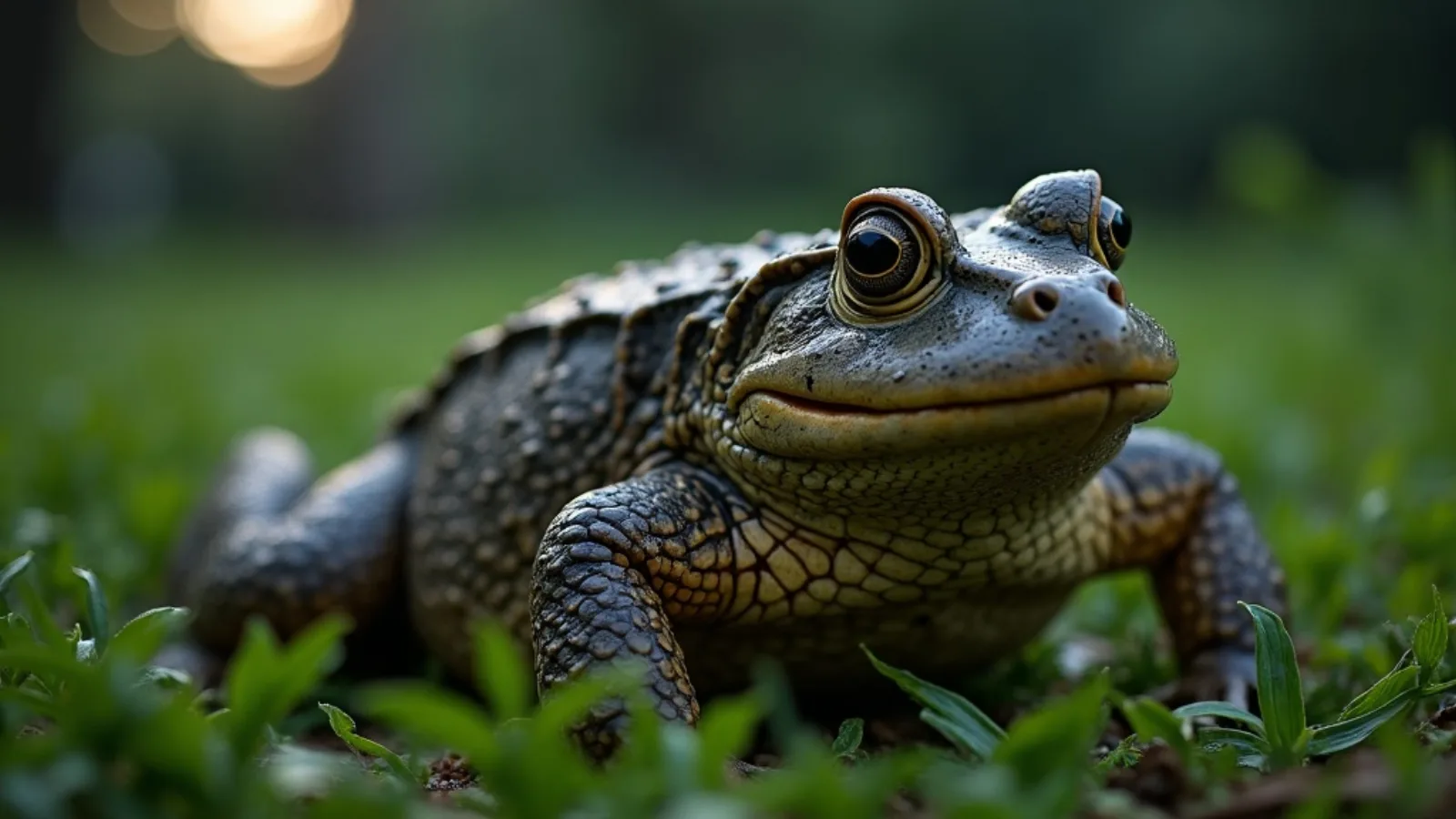
The water is what makes summer in St. Pete worth it. A little awareness keeps it that way. Two other summer hazards worth knowing are cane toads and heat risk for flat-faced breeds. And if you've got questions about the lepto vaccine, or your pet's had a rough run-in with salt water or a suspicious pond, we're here — give us a call.
Written by the Skyway Animal Hospital team. Skyway has served Pinellas County pet families since 1961.