Getting Your Pet Ready for July 4th: A Florida Owner's Fireworks Prep Plan
Skyway Animal Hospital
Veterinary Team
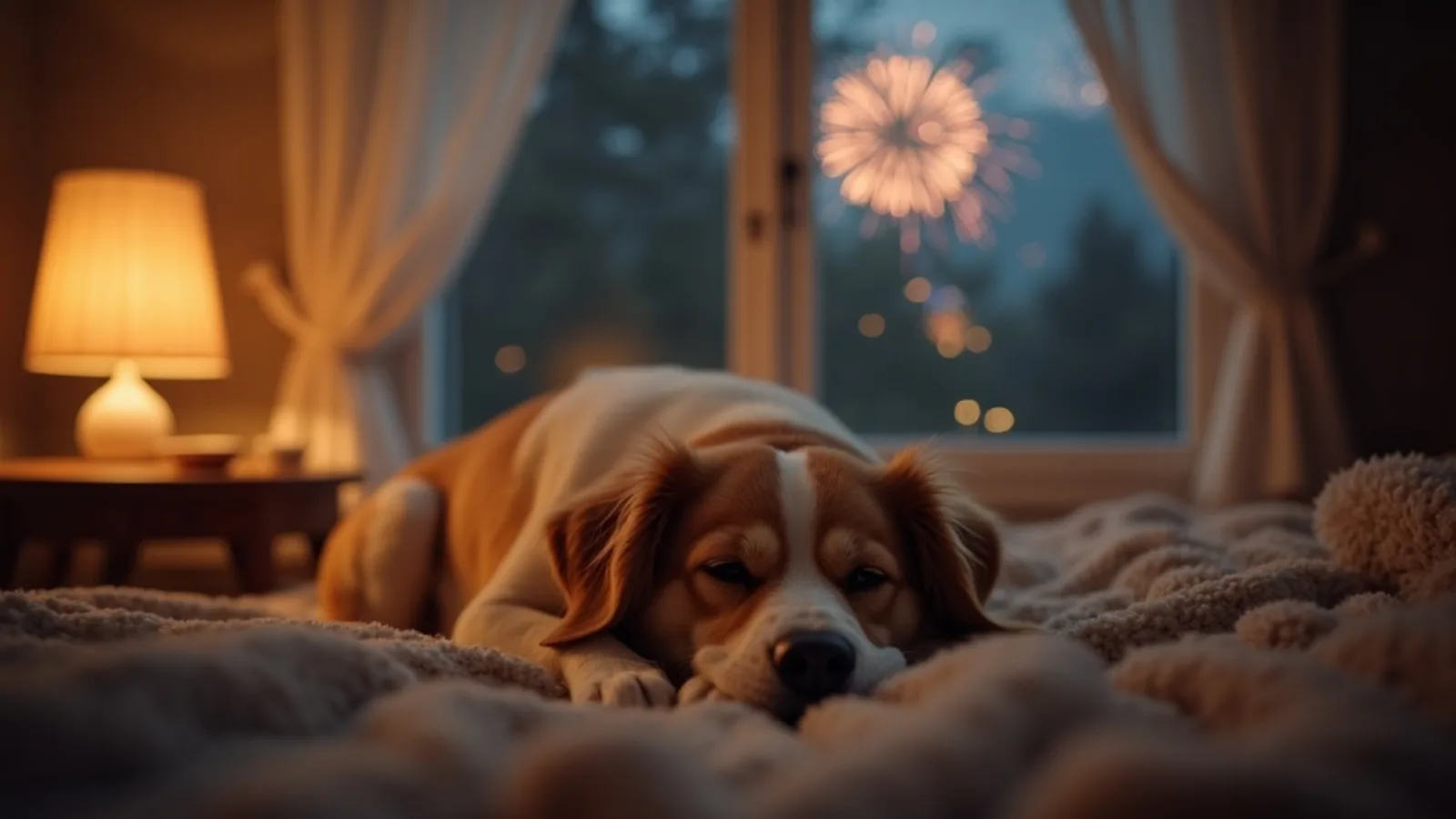
July 5th is, every year, one of the busiest days at animal shelters across the country — full of pets who bolted in a panic the night before. In St. Pete, where the fireworks start days early and the warm nights keep people outside, the Fourth of July is the single hardest night of the year for noise-sensitive pets.
Here's the thing most owners get wrong: they wait until the evening of the Fourth to deal with it. By then, the options are gone. If your pet struggles with fireworks, the work happens now — in the two weeks before. This is the action plan. (If you want the deeper background on why pets react the way they do and the full range of calming approaches, read our Florida storm season anxiety guide — this post is the what-to-do-and-when companion to it.)
Two Weeks Out: Call Your Vet Now, Not on July 3rd
This is the most important item on the list, and it's the one with a deadline.
If your pet was a mess last year — pacing, trembling, hiding, destructive, trying to escape — that is not something to white-knuckle through again. There are genuinely effective anti-anxiety medications, but they need to be arranged in advance. We need time to examine your pet, choose the right option, and get it to you with time to spare. Some medications also work far better when you do a trial dose before the big night so we know how your pet responds.
Call us at (727) 327-5141 at least 2 weeks ahead — by mid-June — not the afternoon of the Fourth when the phones are slammed and there's no time left to help. Most fireworks medications are given 30 to 90 minutes before the noise starts, so you also need them in hand a few days early to do a trial dose. Don't reach for human medications or leftover prescriptions — dosing and drug choice matter, and the wrong one can backfire. The ASPCA's July 4th safety guidance is a good primer while you wait for your appointment.
Two Weeks Out: Check the Microchip and ID Tags
Because the real danger of fireworks isn't the noise — it's what a panicked pet does. They dig, climb, chew through screens, and slip leashes. A microchip is what reunites you if that happens.
Right now, do two things:
- Confirm your microchip is registered to your current phone number. A chip with a disconnected number from three moves ago helps no one. You can update it online with the chip's registry in five minutes.
- Check the ID tag on the collar — readable, current number. A visible tag is the fastest reunion of all; a neighbor can read it without a scanner.
Not sure if your pet is chipped or what registry it's on? We can scan the chip at any visit and tell you.
One Week Out: Set Up the Safe Space
Pick the room now and get your pet comfortable with it before the night arrives:
- Choose an interior room with no windows, or one you can fully cover with curtains — a closet, bathroom, or central bedroom.
- Soundproof a little. A fan, white-noise machine, or the TV/music turned up masks the booms.
- Make it cozy and familiar: their own bed, a favorite blanket (one that smells like home), water, and a long-lasting chew or stuffed toy.
- Let them explore it for a few days with treats so it feels safe, not like a punishment.
- A snug-fitting anxiety wrap (like a ThunderShirt) helps some pets — introduce it a few days early so it isn't strange on the night.
The Days Before: A Few Florida Specifics
- Walk and exercise early. A tired pet copes better. Get the big walk done well before dark, because in St. Pete the backyard fireworks often start at dusk and run late.
- Feed dinner a little earlier, before the noise begins — an anxious pet may not eat once it starts.
- Tire them out the morning of, with a good play session or a longer walk.
The Night Of: The Plan
- Bring everyone inside before sunset and keep them in. This is non-negotiable for dogs and outdoor cats. The yard is the danger zone.
- Close windows, doors, curtains and blinds to muffle sound and block flashes.
- Turn on the white noise in the safe room.
- Stay calm yourself. Pets read our energy. Comfort them normally if they seek you out — you can't "reinforce fear" with kindness, despite the old myth — but don't make a fuss that signals something's wrong.
- Give medication on the schedule we discussed, which usually means before the fireworks start, not after the panic sets in.
- Double-check gates and doors, especially with guests coming and going. The open back gate is how most pets get loose.
If Your Pet Gets Out
Even with a good plan, it happens. If it does:
- Start searching immediately — most lost pets are found close to home, often hiding nearby and frozen in fear.
- Call us at (727) 327-5141 and contact local shelters and Pinellas County lost-pet groups right away.
- Post in neighborhood and lost-pet Facebook groups with a clear photo.
- This is exactly why the microchip step matters — a found pet with a current chip is a phone call home.
The Bottom Line
The pets who get through July 4th well are the ones whose owners prepared in June. Make the vet call this week if your pet needs medication, check that chip today, and have the safe room ready before the first mortar goes off. Fifteen minutes of planning now is the difference between a stressful night and a genuine emergency.
Frequently Asked Questions
When should I get anxiety medication for my dog's fireworks fear?
Call your vet about 2 weeks ahead — by mid-June for July 4th. You need time for an exam, the right prescription, and ideally a trial dose so you know how your pet responds. Medications are typically given 30 to 90 minutes before the fireworks start, not after the panic sets in.
Why is microchipping so important around the Fourth of July?
Because July 5th is one of the busiest days of the year at shelters nationwide — full of pets who panicked and bolted. A microchip registered to your current phone number is what gets a found pet home. Take 5 minutes now to confirm your registration and check the ID tag on the collar.
Can I comfort my dog during fireworks, or does that reinforce the fear?
You can absolutely comfort them — the old "you'll reinforce the fear" idea is a myth. Fear isn't a behavior you reward; it's an emotion. If your pet seeks you out, calm contact helps. Just stay relaxed yourself, since pets read our energy.
If you're not sure where to start, call us at (727) 327-5141 — we'll walk you through exactly what your pet needs for a calmer Fourth. For the heat side of summer safety, see our guide to flat-faced breeds in the Florida heat.
Written by the Skyway Animal Hospital team. Skyway has served Pinellas County pet families since 1961.