Cane Toad Poisoning: The Tampa Bay Summer Emergency Every Pet Owner Should Know
Skyway Animal Hospital
Veterinary Team
Every summer, when the afternoon rains start and the yards stay wet, we get the calls. A dog comes in foaming at the mouth, gums an alarming brick-red, disoriented and frantic. The owner is terrified and has no idea what happened. The answer, more often than people expect, is a toad.
Cane toads — also called bufo toads or marine toads — are one of the most serious and least-known pet hazards in Pinellas County. They are not the harmless little native toads many of us grew up with up north. They are large, invasive, and genuinely poisonous, and they are most active in exactly the warm, wet conditions we live in from June through the fall. If you own a dog or a curious cat in St. Pete, this is one to know cold.
What a Cane Toad Is — and How to Tell It From a Native Toad
Cane toads (Rhinella marina) were introduced to Florida decades ago and have spread across the state. They thrive in our climate and breed explosively during the rainy season.
How to identify one:
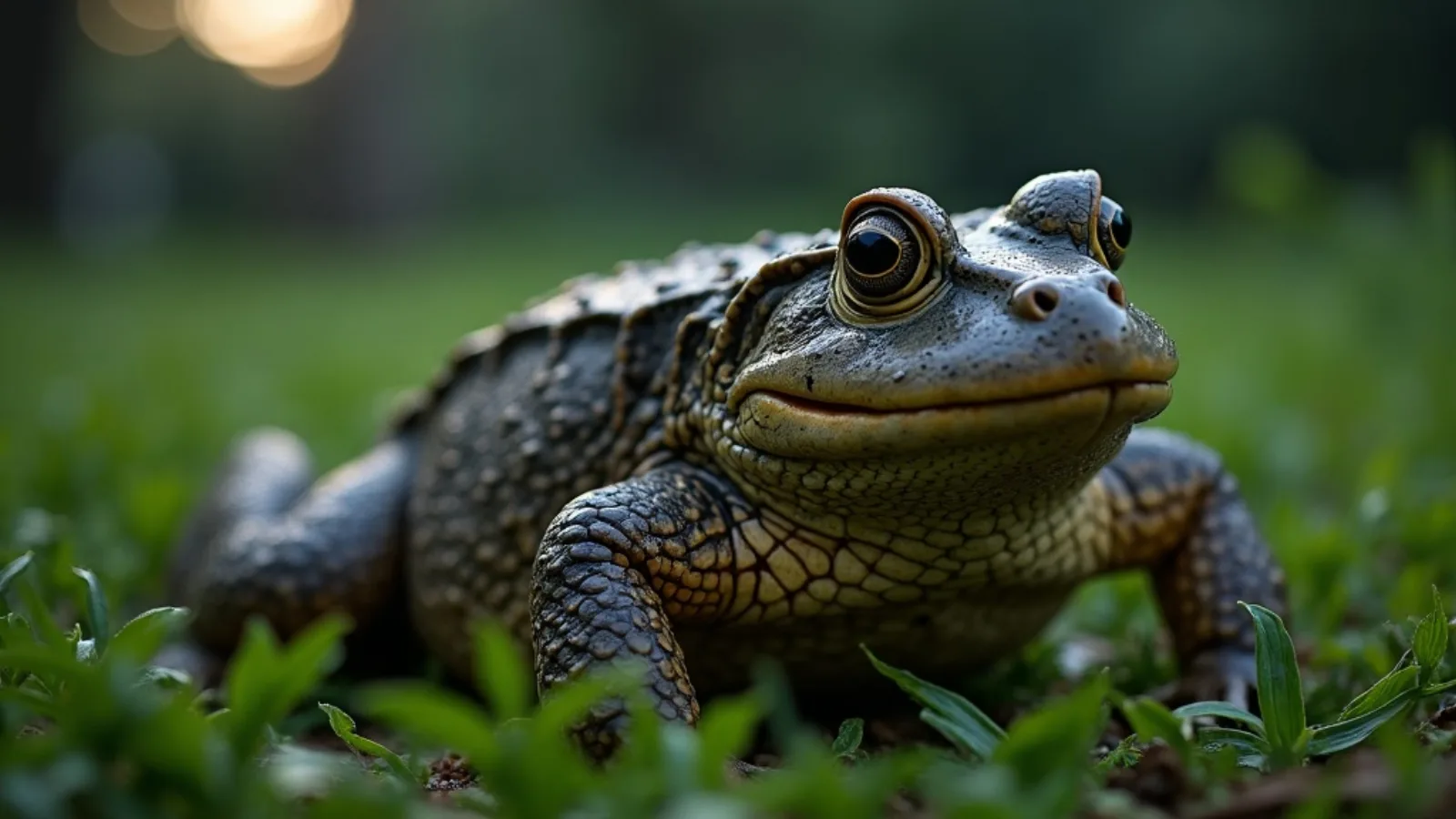
- Size. This is the biggest tell. Cane toads are large — often 4 to 6 inches, sometimes bigger than a softball. Our harmless native southern toads rarely exceed 3 to 4 inches.
- Shape. Cane toads sit upright with a heavy, blocky body.
- The glands. Behind each eye is a large, swollen gland (the parotoid gland) that sits low, around the shoulders. These secrete the toxin.
- No big crests. Native southern toads have prominent ridges (crests) on the head; cane toads have much less pronounced ones.
They come out at dusk and after rain, and they're drawn to the same places your pet hangs around: water bowls left outside, dog food, pool decks, porch lights where bugs gather, and damp grass.
Why They're So Dangerous
A cane toad's defense is a thick, milky toxin (a group of compounds called bufotoxins) secreted from those glands behind the eyes. A dog doesn't have to eat the toad — just mouthing, licking, or biting one is enough. The toxin is rapidly absorbed through the gums and mouth tissues.
Once absorbed, it affects the heart and nervous system. In a small dog or a cat, or with a big dose, it can be fatal within as little as 15 to 30 minutes. This is not a "watch and see" situation.
The Signs of Cane Toad Poisoning
Symptoms usually come on fast — within seconds to minutes of contact:
- Profuse drooling and foaming at the mouth
- Bright red, brick-colored gums (a classic sign)
- Pawing at the mouth, head shaking, distress
- Crying or vocalizing
- Wobbliness, stumbling, disorientation
- Vomiting
- Elevated temperature
- In severe cases: seizures, collapse, and abnormal heart rhythm
What to Do Right Now — First Aid That Saves Lives
If you see your pet mouth a toad or show these signs, act immediately. The single most important first step happens at home, before you even leave:
1. Rinse the mouth out — sideways. Take a hose, a sink sprayer, or a cup, and run water across the gums and tongue from the side, with the head angled down so the water runs out of the mouth, not down the throat. Do this for 10 minutes. The goal is to wash the toxin off the gums before more is absorbed. Do not spray water straight back into the throat — that can send water into the lungs.
2. Wipe the gums. A washcloth or your fingers (carefully) can help remove the slimy toxin.
3. Call us immediately at (727) 327-5141 — or the nearest emergency vet — and head in while someone keeps rinsing. Tell them you suspect a cane toad so they're ready.
Do not try to make your pet vomit, and don't waste time looking up what to do — rinse first, call on the way. For round-the-clock toxicology guidance you can also reach the ASPCA Animal Poison Control Center or the Pet Poison Helpline, but your fastest path is rinsing and getting to a vet.
How to Keep Cane Toads Out of Your Pet's Reach
Prevention is far easier than treatment:
- Bring food and water bowls indoors, especially overnight. Toads are drawn to both, and the toxin can leach into water a toad has sat in.
- Walk dogs on a leash at dusk and after rain, when toads are most active — and keep them out of damp, dark corners of the yard.
- Keep your yard less toad-friendly. Cut back dense, damp ground cover, fix areas that pool water, and turn off exterior lights that attract the insects toads feed on.
- Supervise backyard time at night. A quick leashed potty trip beats letting a dog roam a dark, wet yard alone.
- Clear the pool deck. Toads gather around pools and standing water.
A Note for Newcomers to Florida
If you've recently moved to St. Pete — and a lot of our new clients have — this is one of those local hazards nobody warns you about until it's an emergency. The toad on your porch at 9 p.m. is not the toad from back home. Teach the whole household, especially kids, to keep pets away from any large toad, and to never handle one barehanded.
The Florida Fish and Wildlife Conservation Commission tracks the cane toad's spread across the state, and they're well established throughout Pinellas County. Summer is also when other water and yard hazards spike — see our guides to summer water dangers and keeping flat-faced breeds safe in the heat.
Frequently Asked Questions
How do I tell a cane toad from a harmless native toad?
Size is the biggest giveaway. Cane toads are large — often 4 to 6 inches, sometimes bigger than a softball — while our native southern toads rarely top 3 to 4 inches. Cane toads also have large, low-set glands behind each eye and less pronounced head ridges. When in doubt, keep your pet away from any big toad.
What should I do immediately if my dog licks a cane toad?
Rinse the mouth out sideways with a hose or sink sprayer for 10 minutes, with the head angled down so water runs out rather than down the throat. Wipe the gums with a cloth, then call us at (727) 327-5141 or the nearest emergency vet and head in. Do not point water down the throat and do not induce vomiting.
Is cane toad poisoning always fatal?
No. With fast mouth-rinsing and prompt veterinary care, many pets recover well. Outcomes are worst when the exposure goes unnoticed or treatment is delayed, which is why knowing the signs — drooling, brick-red gums, disorientation — matters so much.
We see cane toad cases every single summer, and the outcomes are dramatically better when owners know the signs and start rinsing right away. Save our number — (727) 327-5141 — in your phone now, so it's there if you ever need it on a rainy June night.
Written by the Skyway Animal Hospital team. Skyway has served Pinellas County pet families since 1961.